1. Specifications Comparison
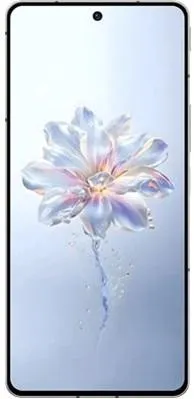
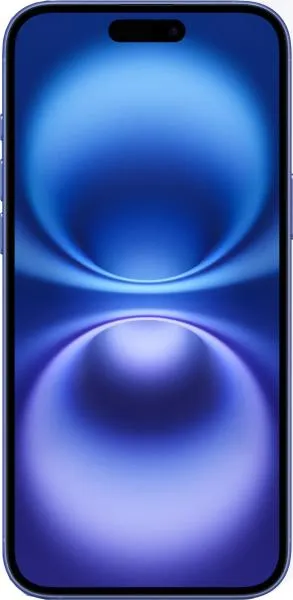
| Feature | ZTE nubia Z50S Pro | Apple iPhone 16 Plus | Practical Impact |
|---|---|---|---|
| Design | |||
| Dimensions | 163.9 x 76.3 x 8.3 mm | 160.9 x 77.8 x 7.8 mm | iPhone 16 Plus is slightly shorter, narrower, and thinner. Negligible difference in hand feel. |
| Weight | 228g | 199g | ZTE is noticeably heavier; may cause fatigue during extended use. iPhone feels lighter and more comfortable for one-handed operation. |
| Build Materials | Not specified | Not specified | Cannot compare build quality and durability without this information. |
| Display | |||
| Display Type | AMOLED, 1B colors, 120Hz | Super Retina XDR OLED, HDR10, Dolby Vision | Both offer excellent color accuracy and deep blacks. |
| Size | 6.8" | 6.7" | Negligible size difference in real-world usage. |
| Resolution | 1260 x 2800 | 1290 x 2796 | Both are sharp; minor difference in pixel density is imperceptible. |
| Refresh Rate | 120Hz | Not specified | 120Hz on ZTE provides smoother scrolling and animations. Lack of info for iPhone hinders comparison. |
| Peak Brightness | 1200 nits | 2000 nits (HBM) | iPhone likely has significantly better outdoor visibility. ZTE's 1200 nits is still bright, but iPhone's high peak brightness will be advantageous in direct sunlight. Note that iPhone's typical brightness is only 1000 nits. |
| Performance | |||
| Chipset | Snapdragon 8+ Gen 2 | Apple A18 | Both are flagship chipsets promising top-tier performance. Cross-platform comparisons are difficult without benchmarks. |
| CPU | Octa-core (1x3.36 GHz Cortex-X3 & 2x2.8 GHz Cortex-A715 & 2x2.8 GHz Cortex-A710 & 3x2.0 GHz Cortex-A510) | Hexa-core (2x4.04 GHz + 4x2.20 GHz) | Core configurations differ; real-world performance depends on optimization and benchmarks. |
| GPU | Adreno 740 (719 MHz) | Apple GPU (5-core graphics) | Gaming and graphically demanding tasks should perform well on both. Apple's integrated GPUs are typically very powerful. |
| RAM | 12GB | 8GB | ZTE offers more RAM, potentially beneficial for multitasking and keeping apps in memory. However, iOS memory management differs from Android, so direct comparison is complex. |
| Storage | 1000GB | 256GB/512GB | ZTE offers significantly more base storage. Users with large storage needs might prefer ZTE. |
| Battery | |||
| Capacity | 5100 mAh | 4674 mAh | ZTE has a larger battery capacity suggesting longer battery life. Real-world usage will vary depending on software and usage patterns. |
| Camera | |||
| Video Capabilities | 8K@30fps, 4K@ various fps | 4K@ various fps, 1080p@ various fps | ZTE boasts 8K recording, while iPhone offers wider range of frame rates and HDR at multiple resolutions. User needs dictate which is more valuable. Missing details on sensor size, aperture, and other camera features limit in-depth comparison. |
2. Key Differences Analysis
ZTE nubia Z50S Pro Advantages:
- Larger Battery: Potentially longer battery life.
- More RAM and Storage: Better multitasking and ample storage space.
- Higher Resolution Display: Slightly sharper display (though practically indistinguishable).
- Confirmed 120Hz Refresh Rate: Smoother scrolling and animations.
Apple iPhone 16 Plus Advantages:
- Lighter and Thinner: More comfortable for one-handed use.
- Higher Peak Brightness: Superior outdoor visibility.
- Potentially More Powerful GPU: Apple's custom GPUs often outperform competitors.
- Wider Range of Video Recording Options with HDR: More flexibility for video content creation.
Trade-offs:
- ZTE: Heavier, potentially less powerful GPU, fewer video recording options.
- iPhone: Smaller battery, less RAM and base storage, unknown refresh rate (potentially lower than 120Hz).
3. User Profiles & Recommendations
ZTE nubia Z50S Pro: Users who prioritize battery life, ample storage, smooth scrolling, and value for money. Ideal for power users, multitaskers, and media consumers.
Apple iPhone 16 Plus: Users who prioritize a lightweight design, bright display for outdoor use, potential for superior graphics performance, and integration with the Apple ecosystem. Ideal for users who value portability, content consumption in bright environments, and prefer iOS.
4. Decision Framework
Key Questions:
- What is your budget and storage needs? ZTE offers more storage for potentially a lower price.
- How important is battery life and screen refresh rate? ZTE excels in these areas based on available information.
- Do you prioritize ecosystem integration (iOS vs. Android)? This is a crucial factor for many users.
Scenario-Based Recommendations:
- Heavy User: ZTE, due to larger battery, more RAM, and abundant storage.
- Outdoor User: iPhone, due to higher peak brightness.
- iOS User: iPhone, due to ecosystem integration.
- Budget-Conscious User: More information on pricing is needed, but ZTE offers more storage for a "medium" price range.
My Choice:
I would lean towards the iPhone 16 Plus. While the ZTE boasts impressive specs on paper, especially in battery and storage, the iPhone's lighter weight, brighter display, and expected strong GPU performance are more appealing to me. The wider range of video recording options with HDR is also a plus. The lack of confirmed refresh rate information for the iPhone is concerning, but I'd anticipate at least a 60Hz display, and potentially a ProMotion display with a variable refresh rate up to 120Hz. Ultimately, my choice reflects a personal preference for the iOS ecosystem and the anticipated overall user experience offered by the iPhone, even with slightly less RAM and a smaller battery. However, if battery life and storage are paramount concerns, the ZTE nubia Z50S Pro is a compelling alternative that demands consideration.
