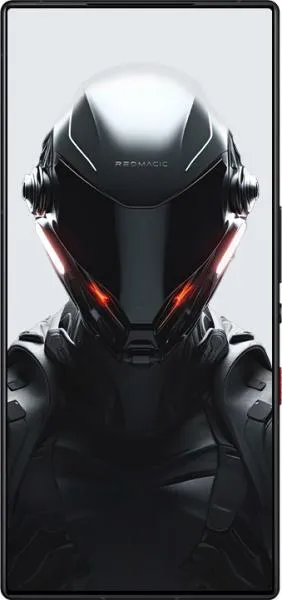
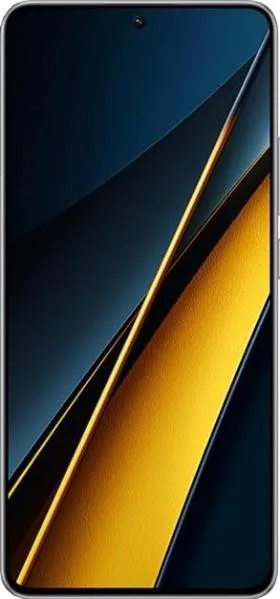
1. Specifications Comparison
| Feature | ZTE nubia Red Magic 9 Pro | Xiaomi Poco X6 Pro | Practical Impact |
|---|---|---|---|
| Design | |||
| Dimensions | 164 x 76.4 x 8.9 mm | 160.5 x 74.3 x 8.3 mm | The Poco X6 Pro is slightly smaller and thinner, potentially offering a more comfortable grip for some users. |
| Weight | 229g | 186g | The Poco X6 Pro is significantly lighter, making it more comfortable for extended use and one-handed operation. |
| Build Materials | Not specified | Not specified | Cannot compare build quality and durability without this information. |
| Display | |||
| Size | 6.8" | 6.67" | Negligible difference in screen real estate. |
| Type | AMOLED, 1B colors (China only), 120Hz | AMOLED, 68B colors, 120Hz, HDR10+, Dolby Vision | The Poco X6 Pro supports a wider color gamut (68B vs 1B) and HDR10+/Dolby Vision, resulting in more vibrant and dynamic visuals with compatible content. The 1B color support on the Red Magic 9 Pro might be limited to the China version. |
| Resolution | 1116 x 2480 | 1220 x 2712 | The Poco X6 Pro has a slightly higher resolution, leading to a sharper image. However, both offer crisp visuals at their respective sizes. |
| Peak Brightness | 1600 nits | 1800 nits | The Poco X6 Pro can achieve a slightly higher peak brightness, improving outdoor visibility in direct sunlight. |
| Performance | |||
| Chipset | Snapdragon 8 Gen 3 | Dimensity 8300 Ultra | The Snapdragon 8 Gen 3 is generally considered a more powerful chipset, likely offering better performance in demanding tasks and gaming. |
| CPU | Octa-core (1x3.3 GHz Cortex-X4 & 3x3.2 GHz Cortex-A720 & 2x3.0 GHz Cortex-A720 & 2x2.3 GHz Cortex-A520) | Octa-core (1x3.35 GHz Cortex-A715 & 3x3.20 GHz Cortex-A715 & 4x2.20 GHz Cortex-A510) | While clock speeds appear similar, the architectural differences favor the Snapdragon 8 Gen 3 for overall performance. |
| GPU | Adreno 750 | Mali G615-MC6 | The Adreno 750 generally offers superior graphics performance compared to the Mali G615-MC6, resulting in smoother gaming and faster rendering. |
| RAM | 16GB | 12GB | The Red Magic 9 Pro offers more RAM, enabling better multitasking and smoother performance with memory-intensive applications. |
| Storage | 512GB | 256GB/512GB | Both offer ample storage, but the Red Magic 9 Pro only comes in a 512GB option while the Poco X6 Pro has a 256GB variant for potentially lower cost. |
| Battery | |||
| Capacity | 6000 mAh | 5000 mAh | The Red Magic 9 Pro has a significantly larger battery, likely translating to longer battery life. |
| Charging Speed | Not specified | Not specified | Cannot compare charging speeds without this information. |
2. Key Differences Analysis
ZTE nubia Red Magic 9 Pro Advantages:
- More powerful processor (Snapdragon 8 Gen 3)
- More RAM (16GB)
- Larger battery (6000 mAh)
Xiaomi Poco X6 Pro Advantages:
- Lighter and slightly smaller form factor
- Wider color gamut display with HDR10+ and Dolby Vision support
- Potentially lower price with 256GB storage option
3. User Profiles & Recommendations
ZTE nubia Red Magic 9 Pro: Ideal for power users, gamers, and those who prioritize performance and battery life.
Xiaomi Poco X6 Pro: Suitable for users who prefer a lighter, more compact phone with a vibrant display for media consumption. Good value proposition if the price is significantly lower.
4. Decision Framework
Key Questions:
- What is your budget? The price difference might be a deciding factor.
- What are your primary use cases? (Gaming, media consumption, general use)
- Do you prioritize performance or portability?
My Choice: ZTE nubia Red Magic 9 Pro
While the Poco X6 Pro offers a compelling display and more comfortable form factor, the ZTE nubia Red Magic 9 Pro's superior performance, larger battery, and greater RAM make it the more appealing device for my needs. I prioritize a smooth, lag-free experience, especially for demanding tasks and gaming, and the Snapdragon 8 Gen 3 combined with 16GB RAM delivers on that front. The larger battery capacity is also a significant advantage for ensuring all-day usage. The extra weight is a trade-off I'm willing to make for the performance gains and longer battery life. The lack of HDR and wider color gamut on the Red Magic is less important to me than raw performance.
