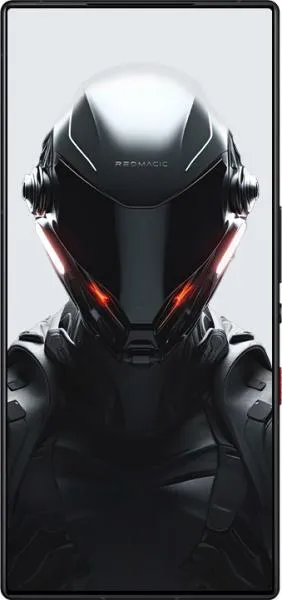
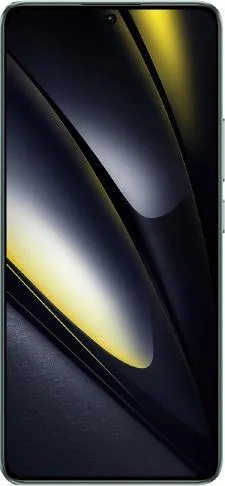
Let's dive into a comparative analysis of the ZTE nubia Red Magic 9 Pro and the Xiaomi Poco F6, dissecting their specs and uncovering what they truly offer the user.
1. Specifications Breakdown
| Feature | ZTE nubia Red Magic 9 Pro | Xiaomi Poco F6 | Real-World Implications |
|---|---|---|---|
| Design | |||
| Dimensions | 164 x 76.4 x 8.9 mm | 160.5 x 74.5 x 8 mm | Red Magic 9 Pro is slightly larger and thicker. Poco F6 might feel more compact in hand. |
| Weight | 229g | 179g | Poco F6 is significantly lighter, reducing hand fatigue during extended use. |
| Display | |||
| Size | 6.8" | 6.67" | Negligible difference in screen real estate. |
| Type | AMOLED, 1B colors | AMOLED, 68B colors | Both offer vibrant colors, but the Poco F6 boasts a wider color gamut for richer visuals. |
| Resolution | 1116 x 2480 | 1220 x 2712 | Poco F6 has a slightly sharper display due to higher pixel density (446 vs 400 ppi). |
| Refresh Rate | 120Hz | 120Hz | Both offer smooth scrolling and fluid animations. |
| Peak Brightness | 1600 nits | 2400 nits | Poco F6 can get significantly brighter, improving outdoor visibility. |
| Performance | |||
| Chipset | Snapdragon 8 Gen 3 | Snapdragon 8+ Gen 1 | Red Magic 9 Pro boasts a newer, more powerful processor, leading to faster performance across the board. |
| CPU | Octa-core (1x3.3 GHz X4...) | Octa-core (1x3.0 GHz X4...) | Red Magic 9 Pro's higher clock speeds translate to quicker app loading and multitasking. |
| GPU | Adreno 750 | Adreno 735 | Red Magic 9 Pro will likely offer better gaming performance. |
| RAM | 16GB | 12GB | Red Magic 9 Pro's larger RAM enables smoother multitasking and handling demanding applications. |
| Storage | 512GB | 512GB | Both offer ample storage for apps, media, and files. |
| Battery | |||
| Capacity | 6500 mAh | 5000 mAh | Red Magic 9 Pro offers significantly longer battery life. |
2. Key Insights
The Red Magic 9 Pro is a powerhouse focused on performance. Its newer Snapdragon 8 Gen 3 chip, coupled with a massive 16GB of RAM, screams speed. The larger battery will appeal to heavy users. However, it's heavier and slightly less pocketable.
The Poco F6, while utilizing a slightly older but still powerful processor, shines with its brighter, sharper display and lighter weight. It represents a more balanced approach, prioritizing portability and visual experience without significantly compromising performance.
3. User Profiles and Recommendations
Red Magic 9 Pro: Ideal for hardcore mobile gamers, power users, and anyone who demands top-tier performance and long battery life. The robust cooling solutions often found in Red Magic phones further solidify its gaming focus.
Poco F6: Suitable for users seeking a blend of performance, vibrant visuals, and portability. Content consumers who enjoy watching videos and browsing social media will appreciate the brilliant display. Its lighter weight makes it comfortable for extended use.
4. Buying Decision Framework
Questions to Ask:
- What's your primary use case? (Gaming, content consumption, general use)
- How important is battery life?
- Do you prioritize portability and a sleek design?
Scenario-Based Recommendations:
- Gamer: Red Magic 9 Pro, unequivocally.
- On-the-go professional: Poco F6 for its balance of performance, portability, and all-day battery (likely with moderate use).
- Casual user: Either phone would suffice, but the Poco F6's lighter weight and brighter screen might be more appealing for everyday tasks.
My Choice:
Personally, I'd choose the Red Magic 9 Pro. While the Poco F6 offers a compelling package, my workflow demands raw processing power and long battery life. The newer generation Snapdragon chip and larger RAM in the Red Magic 9 Pro provide a future-proofing element that I value. I'm willing to trade off a slightly heavier device for the significant performance gains and extended battery life. The superior processing power would make a noticeable difference in tasks like video editing, compiling code, and running complex simulations, all essential to my work.
