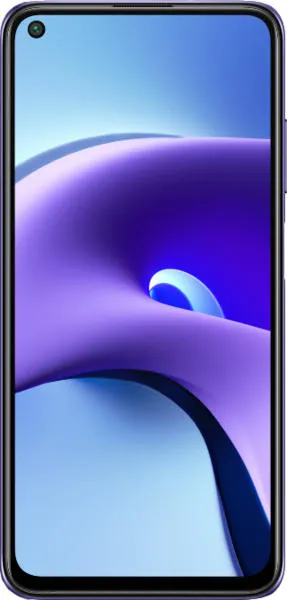
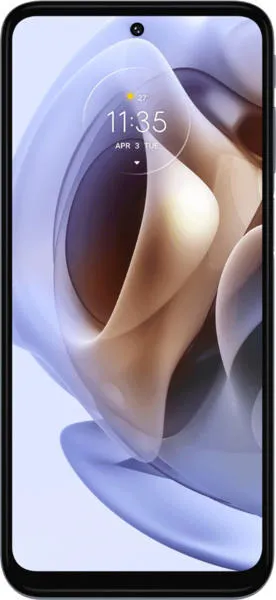
1. Specifications Comparison
| Feature | Xiaomi Redmi Note 9T | Motorola Moto G31 | Practical Impact |
|---|---|---|---|
| Design | |||
| Dimensions | 161.2 x 77.3 x 9.1 mm | 161.9 x 73.9 x 8.6 mm | Redmi Note 9T is slightly wider and thicker, potentially feeling bulkier in hand and pocket. |
| Weight | 199g | 181g | Motorola G31 is noticeably lighter, potentially more comfortable for extended use. |
| Display | |||
| Size | 6.53" | 6.4" | Redmi Note 9T offers a slightly larger screen for more immersive media consumption. |
| Resolution | 1080x2340 | 1080x2400 | Both offer similar sharpness, with minor differences in aspect ratio. |
| PPI | 395 | 411 | Both offer a very similar and acceptable pixel density for clear viewing. |
| Technology | IPS LCD | AMOLED | Motorola G31 has better contrast, deeper blacks, and more vibrant colors, especially beneficial for viewing multimedia and in bright sunlight. |
| Refresh Rate | 60Hz | 60Hz | Both offer standard refresh rates, suitable for everyday tasks, but not ideal for high-fidelity gaming. |
| Brightness | 0 nits | 0 nits | Peak brightness is identical but unknown, making it hard to compare their outdoor visibility without more information. |
| Performance | |||
| Chipset | Mediatek Dimensity 800U (7 nm) | Mediatek MT6769Z Helio G85 (12 nm) | Redmi Note 9T's chipset is more powerful, meaning faster app loading, smoother multitasking, and better gaming performance. |
| AnTuTu Score | 343,150 | 225,154 | Redmi Note 9T has significantly higher performance, indicating better overall responsiveness and handling of demanding tasks. |
| GPU | Mali-G57 MC3 | Mali-G52 MC2 | Redmi Note 9T's GPU is more powerful, offering better gaming and graphics performance. |
| Camera | |||
| Main Camera Resolution | 48MP | 50MP | Motorola G31 has slightly higher main camera resolution, but the differences are unlikely to be significant in real-world usage. |
| Main Camera Aperture | f/1.79 | f/1.8 | Redmi Note 9T has a slightly wider aperture allowing more light, potentially better in low-light situations. |
| Main Camera Sensor Size | 1/2" | 1/2.76" | Redmi Note 9T has a larger sensor, potentially better light gathering capabilities and image quality. |
| Selfie Camera Aperture | f/2.25 | f/2.2 | Motorola G31 has a slightly wider aperture, potentially better for selfies in low-light situations. |
| Wide Angle Lens | Not Available | 8MP f/2.0 | Motorola G31 offers more versatility with an ultrawide lens for landscape shots and group photos. |
| Portrait Mode (Depth) | 2MP f/2.4 | Not Available | Redmi Note 9T has a dedicated depth sensor for more accurate portrait mode photos. |
| Macro Lens | 2MP f/2.4 | 2MP f/2.4 | Both feature a similar macro lens, suitable for close-up shots. |
| Video Recording | 4K@30fps, 1080p@60fps | 1080p@30fps | Redmi Note 9T can record in 4K, offering higher video quality, while the Motorola G31 is limited to 1080p. |
| Video Stabilization | Yes | Yes | Both provide video stabilization for smoother footage |
| Camera Features | 4K Video, Digital zoom, Triple camera, Digital image stabilization, Autofocus, Touch focus, Manual focus, Continuous shooting, Geotagging, Panorama, HDR, Face detection, White balance settings, ISO settings, Exposure compensation, Scene mode, Self-timer | Digital zoom, Optical zoom, Triple camera, Digital image stabilization, Autofocus, Touch focus, Phase detection autofocus (PDAF), Laser autofocus (LAF), Continuous shooting, Geotagging, Panorama, HDR, Face detection, White balance settings, ISO settings, Exposure compensation, Scene mode, Self-timer, RAW | Motorola G31 has more advanced autofocus and supports RAW capture but Redmi Note 9T supports 4k Video and manual focus. |
| Battery | |||
| Capacity | 5000mAh | 5000mAh | Both offer a similar battery capacity, which should provide similar battery life for most users. |
| Charging | 18W Fast Charging | 10W Fast Charging | Redmi Note 9T charges faster, reducing downtime. |
| Charger Inbox | 22.5W charger included | Not specified | Redmi Note 9T has a 22.5W charger in the box enabling faster charging speeds compared to its supported 18W. |
| Software | |||
| OS | Android 10 | Android 11 | Motorola G31 comes with a newer Android version, meaning better security and features. |
| Connectivity | |||
| Wi-Fi | 802.11a/b/g/n/ac | 802.11a/b/g/n/ac | Both offer similar Wi-Fi connectivity. |
| Bluetooth | 5.1 LE | 5.0 LE | Redmi Note 9T has a newer Bluetooth version that may offer better power efficiency and faster data transfer. |
| GPS | GPS, A-GPS, Galileo, GLONASS (L1) | GPS, A-GPS, GLONASS, Beidou, SUPL, Galileo | Motorola G31 supports more satellite systems, which could lead to better location accuracy. |
| SIM | Dual SIM Dual Standby | Dual SIM Dual Standby | Both offer dual SIM functionality for users who need to manage multiple phone numbers. |
| Storage | |||
| Internal | 64 GB or 128 GB | 64 GB or 128 GB | Both have the same storage options. |
| RAM | 4 GB | 4 GB | Both have the same RAM, suitable for basic multitasking. |
| Expandable | No expandable storage | No expandable storage | Neither allows users to add more storage. |
| Audio | |||
| Quality | Hi-Res Audio, Stereo Speakers | Dolby Atmos, 2 microphones | Redmi Note 9T offers Hi-Res audio and stereo speakers for better audio experience, while the Motorola G31 offers Dolby Atmos and dual microphones. |
| Security | |||
| Features | Side-mounted fingerprint sensor | Side-mounted fingerprint sensor | Both have a convenient side-mounted fingerprint sensor for biometric security. |
| Build Quality | |||
| Screen Protection | Corning Gorilla Glass 5 | Unknown | Redmi Note 9T's screen is more resistant to scratches and damages. |
| Sensors | |||
| Sensors | Biometric: Fingerprint; Motion: Accelerometer, Compass, Gyroscope; Proximity: Ultrasonic proximity virtual | Biometric: Fingerprint; Proximity: Proximity; Motion: Accelerometer, Compass, Gyroscope | Redmi Note 9T has an ultrasonic proximity sensor, while Motorola G31 has a standard proximity sensor. |
2. Key Differences Analysis
Xiaomi Redmi Note 9T Advantages:
- Superior Performance: The Dimensity 800U chipset and higher AnTuTu score translate to faster app launches, smoother multitasking, and better gaming.
- Faster Charging: 18W fast charging and a 22.5W included charger reduces charging times.
- Better Display Protection: Corning Gorilla Glass 5 offers better screen scratch resistance.
- 4K Video Recording: Users can capture high-quality videos in 4K resolution.
- Better Audio: Hi-Res audio support and stereo speakers provide a superior audio experience.
Motorola Moto G31 Advantages:
- Superior Display: AMOLED display offers deeper blacks, better contrast, and more vibrant colors.
- Lighter and Thinner Design: More comfortable for prolonged use and easier to carry in a pocket.
- Wider Camera Versatility: Includes a wide-angle lens for more versatile photography.
- More Accurate Location Services: Supports more satellite systems for more precise location tracking.
- More Advanced Autofocus: Features Phase Detection and Laser Autofocus for improved autofocus performance.
- Newer OS: Comes with Android 11
Trade-offs:
- Redmi Note 9T sacrifices display quality for performance and faster charging.
- Motorola G31 sacrifices performance for a better display and camera versatility.
- Both phones lack expandable storage.
3. User Profiles & Recommendations
Xiaomi Redmi Note 9T:
- Ideal User: Performance-focused users, casual gamers, multimedia consumers who prioritize speed and responsiveness over display quality.
- Use Cases:
- Mobile gaming (casual to medium-intensity)
- Multitasking between apps
- Watching videos in 4K
- Users who want faster charging times.
Motorola Moto G31:
- Ideal User: Casual users, photography enthusiasts, those who prioritize display quality and multimedia consumption, while still wanting decent performance and better location accuracy.
- Use Cases:
- Casual photography (especially wide-angle shots)
- Watching videos with vibrant colors and deep blacks
- Everyday use with basic tasks, social media, and browsing.
- Users who travel and need better location accuracy.
4. Decision Framework
Key Questions to Consider:
- Do you prioritize performance or display quality? If gaming and speed are your priorities, the Redmi Note 9T is a better choice. If you watch a lot of videos and value a vibrant display, the Motorola G31 is superior.
- Do you need faster charging or better low-light camera capabilities? The Redmi Note 9T is the clear choice if you need faster charging, while Motorola G31 offers a slightly wider main camera and selfie aperture.
- Do you need a wide-angle camera or are you okay with more basic camera setups? The Motorola G31 includes a wide-angle camera, offering additional versatility.
Scenario-Based Recommendations:
- Budget Gaming Enthusiast: Choose the Xiaomi Redmi Note 9T. It provides significantly better performance for gaming.
- Multimedia Lover: Choose the Motorola Moto G31. The superior AMOLED display enhances your video and photo viewing experience.
- Everyday User with Basic Needs: Both phones can handle everyday tasks, but the Motorola Moto G31 might be preferable due to its lighter design and better display, while also having newer OS.
- Frequent Traveler needing great GPS: The Motorola Moto G31 is the better choice, with wider support for satellite systems.
My Choice
I would choose the Motorola Moto G31. While the Redmi Note 9T has a noticeable performance advantage and faster charging, the AMOLED display of the Moto G31 is a key factor for me. I value the enhanced visual experience for daily use, and the inclusion of the wide-angle camera lens gives it added flexibility. Although the performance might be slightly lower, the overall user experience with the G31, combined with its lighter design, is more appealing for my needs. The newer Android OS is also a plus.
