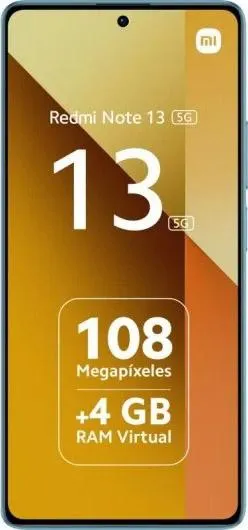
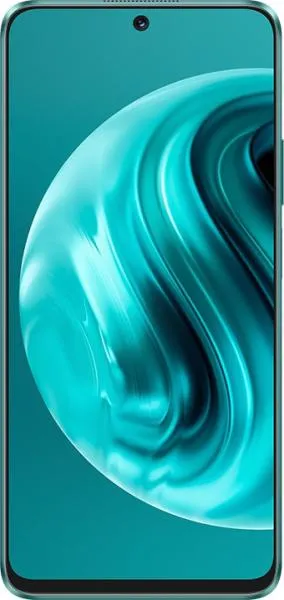
Let's dive into a comparative analysis of the Xiaomi Redmi Note 13 and the Huawei nova 12i, dissecting their specifications and translating them into real-world implications for you.
1. Specifications Breakdown
| Feature | Xiaomi Redmi Note 13 | Huawei nova 12i | Real-World Implications | |
|---|---|---|---|---|
| Design | ||||
| Dimensions | 161.1 x 75 x 7.6 mm | 163.3 x 74.7 x 8.4mm | Redmi is slightly smaller and thinner, potentially more comfortable in hand. | |
| Weight | 174.5 g | 199 g | Redmi is noticeably lighter, reducing hand fatigue during extended use. | |
| Display | ||||
| Display Type | AMOLED, 1B colors | IPS LCD | Redmi offers richer colors, deeper blacks, and better power efficiency. | |
| Refresh Rate | 120Hz | 90Hz | Redmi provides smoother scrolling and animations. | |
| Peak Brightness | 1000 nits | N/A | Redmi's display will be more visible in direct sunlight. | |
| Resolution | 1080 x 2400 | 1080 x 2388 | Virtually identical sharpness; negligible real-world difference. | |
| Performance | ||||
| Chipset | Dimensity 6080 | Snapdragon 680 | Both offer similar mid-range performance, but benchmarks suggest a slight edge for the Redmi in graphics-intensive tasks. | |
| CPU | Octa-core (2x2.4 GHz Cortex-A76 & 6x2.0 GHz Cortex-A55) | Octa-core (4x2.4 GHz Cortex-A73 & 4x1.9 GHz Cortex-A53) | Redmi's CPU configuration might offer slightly better performance in demanding applications. | |
| GPU | Mali-G57 MC2 | Adreno 610 | Gaming performance might be slightly better on the Redmi. | |
| RAM | 8GB/12GB | 8GB | Redmi offers a 12GB RAM option for enhanced multitasking. | |
| Storage | 256GB | 256GB | Equivalent storage capacity on both devices. | |
| Battery | ||||
| Capacity | 5000 mAh | 5000 mAh | Similar battery capacity suggesting comparable battery life. | |
| Other | ||||
| OS | Android 13 | Unspecified | Redmi comes with the latest Android version out of the box. | |
| NFC | Yes | Yes | Both support contactless payments and data transfer. | |
| Price Range | Low | Medium | Redmi offers better value for money based on the provided specifications. |
2. Key Insights
The Redmi Note 13 clearly pulls ahead in several key areas: its AMOLED display with a 120Hz refresh rate and higher peak brightness delivers a superior visual experience compared to the Nova 12i's IPS LCD with 90Hz. The Redmi also boasts a potentially faster processor and a lighter, more compact design. While benchmark comparisons would be needed to definitively confirm, the Dimensity 6080 with the Mali-G57 MC2 GPU in the Redmi likely outperforms the Snapdragon 680 with the Adreno 610 found in the Nova 12i, particularly in graphics-intensive tasks like gaming.
The Nova 12i's strengths are less clear from the provided data. Its key advantage seems to lie in its established brand recognition and potentially more refined software experience, depending on the unspecified OS and Huawei's customisations. However, the "medium" price range suggests it might be more expensive than the Redmi, making it a less compelling value proposition based on the available specifications.
3. User Profiles and Recommendations
Redmi Note 13: Ideal for budget-conscious users who prioritize display quality, performance, and modern features. Gamers, multimedia consumers, and those who value a smooth and responsive user interface would appreciate the 120Hz AMOLED display and the potentially more powerful processor.
Huawei nova 12i: Suitable for users who prefer a familiar brand and potentially value specific Huawei software features (though these are unknown based on the provided data). If the Nova 12i launches with a significantly lower price point than its "medium" range suggests, it might be a contender for those prioritizing battery life and basic functionality. However, with the given information, it's hard to pinpoint a specific user profile where it clearly excels over the Redmi.
4. Buying Decision Framework
Questions to Consider:
- What is your budget? The Redmi Note 13 is explicitly positioned in a lower price bracket.
- How important is display quality? If vibrant colors, deep blacks, and smooth scrolling are paramount, the Redmi's AMOLED display with 120Hz is a clear winner.
- What is your primary use case? For gaming or demanding applications, the Redmi's potentially superior processor and graphics capabilities are advantageous.
My Choice: Xiaomi Redmi Note 13
Given the available information, I would choose the Xiaomi Redmi Note 13. It offers a compelling combination of performance, display quality, and modern features at a presumably lower price point. The 120Hz AMOLED display is a significant advantage for me, as I value a smooth and visually engaging user experience. The potentially faster processor and lighter design further solidify its appeal. While the lack of details about the Nova 12i's OS and specific Huawei features makes a definitive comparison challenging, the Redmi Note 13 presents a stronger value proposition based purely on the concrete specifications provided. The Nova 12i would need to offer a significantly lower price or unique, compelling software features to sway my decision.
