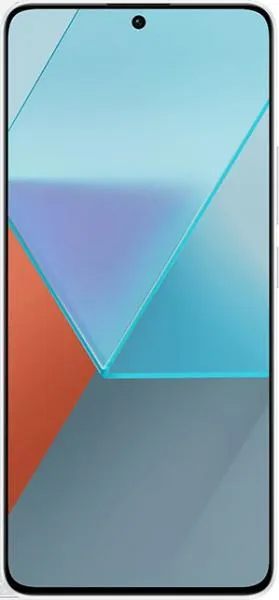
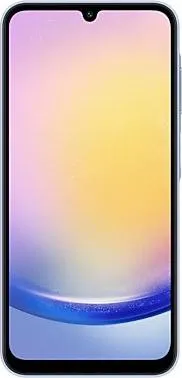
The Redmi Note 13 Pro vs. Samsung Galaxy A25: A Tale of Two Experiences
As a technology communications specialist, my goal is to help you understand how these two mid-range powerhouses translate technical specs into tangible user experiences. Forget the numbers game; let's delve into the stories these phones tell.
1. Design and Usability Assessment:
| Feature | Redmi Note 13 Pro | Samsung Galaxy A25 | User Experience Impact |
|---|---|---|---|
| Interface Design | AMOLED, 120Hz, Dolby Vision, 68B colors | Super AMOLED, 120Hz | Redmi's richer color depth and Dolby Vision support offer a more immersive visual experience, especially for media consumption. |
| Interaction Flow | Under-display fingerprint sensor | Side-mounted fingerprint sensor | Preference-based, but under-display feels more modern and integrated. Side-mounted can be easier to reach for some users. |
| Accessibility | Larger display (6.67") | Smaller display (6.5") | Larger display enhances readability and content consumption, especially for users with visual impairments. |
| Design Ergonomics | Lighter (187g), slimmer (8mm) | Heavier (197g), thicker (8.3mm) | Redmi offers a slightly more comfortable in-hand feel due to its lighter weight and slimmer profile, reducing hand fatigue during extended use. |
2. Narrative-Driven Feature Exploration:
Imagine a weekend movie marathon. The Redmi Note 13 Pro, with its vibrant AMOLED display and Dolby Vision, transforms your living room into a mini-cinema. The 120Hz refresh rate ensures buttery smooth scrolling through social media feeds. Meanwhile, the Galaxy A25, while boasting a smooth display, lacks the color depth and HDR support for the same immersive experience.
Consider a busy day juggling work and personal life. Both phones offer fast charging, but the Redmi's slightly larger battery (5100mAh vs 5000mAh) might give you that extra edge to last through the evening without scrambling for a charger.
3. Inclusive Technology Evaluation:
For users who prioritize visual clarity and immersive media consumption, the Redmi Note 13 Pro's superior display is a clear winner. The larger display also benefits users with visual impairments. However, users with smaller hands might find the Galaxy A25's side-mounted fingerprint sensor more accessible.
4. Design-Centric Decision Framework:
The Redmi Note 13 Pro embraces a design philosophy centered around maximizing visual engagement and providing a sleek, modern aesthetic. The Galaxy A25 prioritizes practicality and affordability. The choice depends on your individual priorities.
My Choice: The Xiaomi Redmi Note 13 Pro
While both phones offer strong features for their price range, I would choose the Redmi Note 13 Pro. Its superior display with Dolby Vision and vibrant colors creates a noticeably more engaging media experience. The slimmer, lighter design, coupled with the slightly larger battery, enhances daily usability. The under-display fingerprint sensor contributes to a more modern, integrated feel. While the Galaxy A25 is a solid contender, the Redmi Note 13 Pro's design choices resonate more strongly with my preference for a device that seamlessly blends performance and aesthetics, creating a truly enjoyable user experience. The small differences in weight and screen size, alongside the vastly different display quality, tip the scales in favor of the Redmi Note 13 Pro for me. It feels like a more premium, future-proof device that offers a more immersive and enjoyable user experience overall.
