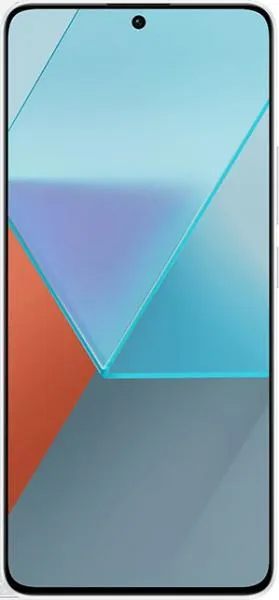
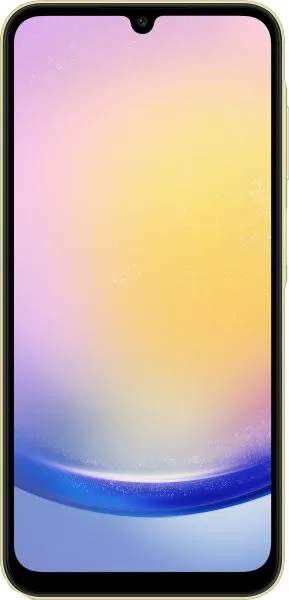
1. Specifications Comparison
| Feature | Xiaomi Redmi Note 13 Pro | Samsung Galaxy A15 5G | Practical Impact |
|---|---|---|---|
| Design | |||
| Dimensions (mm) | 161.2 x 74.2 x 8 | 160.1 x 76.8 x 8.4 | Redmi is slightly narrower and thinner. A15 is slightly taller. Negligible difference in hand feel for most users. |
| Weight (g) | 187 | 200 | Redmi is noticeably lighter, reducing hand fatigue during extended use. |
| Fingerprint Sensor | Under-display | Side-mounted | Preference-based. Under-display feels more modern, side-mounted might be faster to unlock. |
| Display | |||
| Display Type | AMOLED, 68B colors, 120Hz | Super AMOLED, 90Hz | Redmi's display offers smoother animations and transitions due to the higher refresh rate and potentially more vibrant colors due to the 10-bit color depth. |
| Display Size (inches) | 6.67 | 6.5 | Redmi offers a slightly larger screen for more immersive media consumption. |
| Resolution | 1220 x 2712 | 1080 x 2340 | Redmi has a sharper display (higher pixel density - 446 ppi vs 396 ppi), resulting in clearer text and images. |
| Peak Brightness (nits) | 1800 | 800 (HBM) | Redmi's display will be significantly more visible in direct sunlight. |
| Performance | |||
| Chipset | Snapdragon 7s Gen 2 (4nm) | Dimensity 6100+ (6nm) | Benchmarking scores needed for definitive comparison. Snapdragon generally known for better GPU performance, potentially impacting gaming. |
| CPU | Octa-core (4x2.4 GHz A78 & 4x1.95 GHz A55) | Octa-core (2x2.2 GHz A76 & 6x2.0 GHz A55) | Redmi likely has a performance advantage due to faster prime cores, leading to smoother multitasking and faster app loading. |
| GPU | Adreno 710 | Mali-G57 MC2 | Benchmarking required for accurate comparison. Adreno GPUs often preferred for gaming. |
| RAM/Storage | Multiple options up to 12GB/512GB | Up to 8GB/256GB | Redmi offers more RAM and storage options for power users and those needing ample space. |
| Camera | |||
| Video Capabilities | 4K@30fps, 1080p@120fps | 1080p@30fps | Redmi offers significantly better video recording capabilities with higher resolution and frame rates. |
| Battery | |||
| Capacity (mAh) | 5100 | 5000 | Redmi has a slightly larger battery, potentially offering slightly longer battery life. Real-world usage varies. |
| Software | |||
| OS | Android 13 | Android 14 | A15 launches with a newer Android version, potentially offering newer features and longer software support. |
2. Key Differences Analysis
Xiaomi Redmi Note 13 Pro Advantages:
- Superior Display: Higher resolution, refresh rate, and peak brightness deliver a noticeably better visual experience.
- More Powerful: Likely faster CPU and potentially better GPU performance for smoother multitasking and gaming.
- More Versatile Camera: Supports 4K video recording and higher frame rates.
- Larger Storage Options: Caters to users who need ample space for apps, photos, and videos.
Samsung Galaxy A15 5G Advantages:
- Newer Android Version: Potentially longer software updates and access to the latest Android features.
- Potentially Better Value: Depending on pricing, could offer a good balance of features for the price. – Needs confirmation with actual pricing.
3. User Profiles & Recommendations
Redmi Note 13 Pro: Users who prioritize display quality, performance, and camera features. Suitable for mobile gaming, media consumption, and demanding tasks.
Samsung Galaxy A15 5G: Users who prioritize having the latest Android version and a reliable, budget-friendly device. Suitable for everyday tasks, social media, and casual use. Good option for those seeking longer software support.
4. Decision Framework
Key Questions:
- What is your budget? The actual price difference will heavily influence the value proposition.
- What are your primary smartphone uses? (e.g., gaming, photography, social media)
- How important are display quality and performance?
Scenario-Based Recommendations:
- Tight Budget, Casual User: Galaxy A15 5G might be the better value.
- Prioritize Performance and Display: Redmi Note 13 Pro is the clear winner.
- Heavy Gamer or Content Creator: Redmi Note 13 Pro's superior performance and display are essential.
My Choice: Xiaomi Redmi Note 13 Pro
Reasoning: The Redmi Note 13 Pro offers a significantly better display and likely superior performance, which are crucial for my personal usage. The advantages in camera capabilities and storage options further solidify its position as the better choice. While the A15 5G has a newer Android version, the tangible benefits of the Redmi Note 13 Pro outweigh this advantage for me. I value a smooth and visually engaging user experience, and the Redmi Note 13 Pro delivers on those fronts. The slightly heavier weight is a minor trade-off for the significant gains in other areas.
