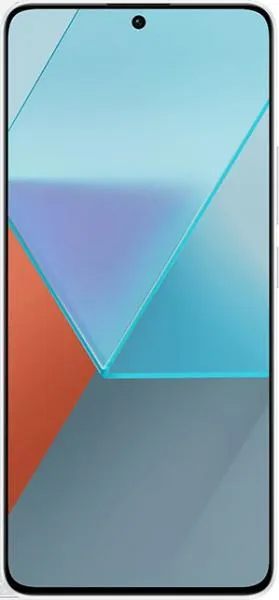
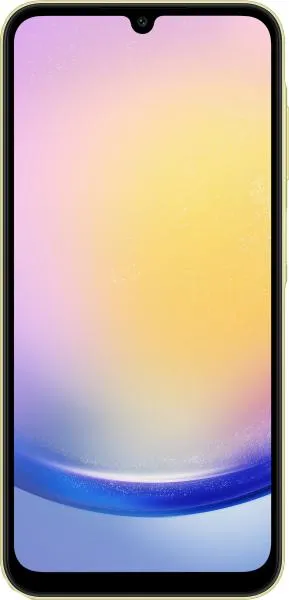
1. Specifications Comparison
| Feature | Xiaomi Redmi Note 13 Pro | Samsung Galaxy A15 | Practical Impact |
|---|---|---|---|
| Design | |||
| Dimensions | 161.2 x 74.2 x 8 mm | 160.1 x 76.8 x 8.4 mm | Redmi is slightly narrower and thinner. Negligible difference in daily use. |
| Weight | 187g | 200g | Redmi is noticeably lighter, improving one-handed use. |
| Fingerprint Sensor | Under-display | Side-mounted | Preference-based. Under-display feels more modern, side-mounted can be faster. |
| Display | |||
| Size | 6.67" | 6.5" | Redmi offers a slightly larger screen for more immersive content consumption. |
| Type | AMOLED, 120Hz | Super AMOLED, 90Hz | Both offer vibrant colors and deep blacks. Redmi's 120Hz provides smoother scrolling and animations. |
| Resolution | 1220 x 2712 (446 ppi) | 1080 x 2340 (396 ppi) | Redmi's sharper display provides finer details and text clarity. |
| Peak Brightness | 1800 nits | 800 nits | Redmi is significantly brighter, ensuring better visibility in direct sunlight. |
| Performance | |||
| Chipset | Snapdragon 7s Gen 2 (4nm) | Helio G99 (6nm) | Snapdragon generally offers better performance and efficiency. |
| CPU | Octa-core (4x2.4 GHz & 4x1.95 GHz) | Octa-core (2x2.2 GHz & 6x2.0 GHz) | Redmi likely has a performance advantage due to the superior core configuration and higher clock speeds. |
| GPU | Adreno 710 | Mali-G57 MC2 | Adreno 710 generally offers better gaming performance. |
| RAM/Storage | Multiple options up to 12GB/512GB | Up to 8GB/256GB | Redmi offers more RAM and storage options for demanding users and multitaskers. |
| Battery | |||
| Capacity | 5100 mAh | 5000 mAh | Negligible difference in battery capacity. Real-world battery life depends on usage and optimization. |
| Camera | |||
| Video Capabilities | 4K@30fps, 1080p up to 120fps | 1080p@30fps | Redmi offers significantly better video recording capabilities with higher resolution and frame rates. |
| Other | |||
| OS | Android 13 | Android 14 | A15 launches with a newer Android version, potentially offering longer software support. |
2. Key Differences Analysis
Redmi Note 13 Pro Advantages:
- Superior Display: Brighter, sharper, and smoother with a higher refresh rate.
- Better Performance: More powerful chipset and GPU for smoother gaming and multitasking.
- More RAM and Storage Options: Caters to power users and future-proofs the device.
- Superior Video Recording: Offers 4K and higher frame rate options.
Samsung Galaxy A15 Advantages:
- Newer Android Version: Potentially longer software updates and new features.
- Potentially Lower Price: Depending on market and specific configurations.
3. User Profiles & Recommendations
Redmi Note 13 Pro: Users who prioritize performance, a high-quality display, and versatile video recording. Ideal for gaming, media consumption, and content creation.
Samsung Galaxy A15: Budget-conscious users who prioritize long software support and basic functionality. Suitable for everyday tasks like browsing, social media, and communication.
4. Decision Framework
Key Questions for Buyers:
- What is your budget? The Redmi Note 13 Pro is likely to be more expensive.
- What are your primary use cases? Gaming, media consumption, or basic tasks?
- How important is long-term software support?
Scenario-Based Recommendations:
- Gamer: Redmi Note 13 Pro for its superior performance and display.
- Casual User: Samsung Galaxy A15 if budget is a major constraint.
- Content Creator: Redmi Note 13 Pro for its video recording capabilities and larger screen.
My Choice: Xiaomi Redmi Note 13 Pro
I would choose the Xiaomi Redmi Note 13 Pro. While the Samsung Galaxy A15 offers a newer Android version, the Redmi significantly outperforms it in crucial areas like display, performance, and video recording. The brighter, smoother, and sharper display alone makes a huge difference in daily usage. The more powerful processor ensures a smoother user experience for gaming and demanding tasks. These advantages, for me, outweigh the benefit of a slightly newer Android version, especially considering the Redmi will likely receive updates for a considerable time as well. The lighter weight and slimmer profile are also appealing.
