1. Specifications Comparison
| Feature | Xiaomi Redmi Note 13 Pro | Samsung Galaxy A06 | Practical Impact |
|---|---|---|---|
| Design | |||
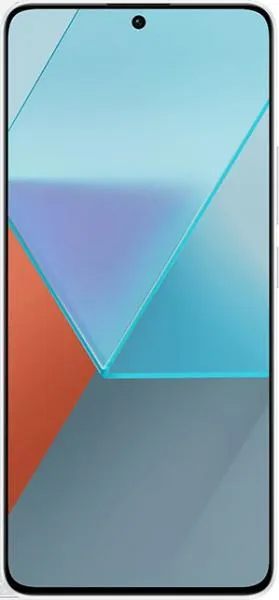
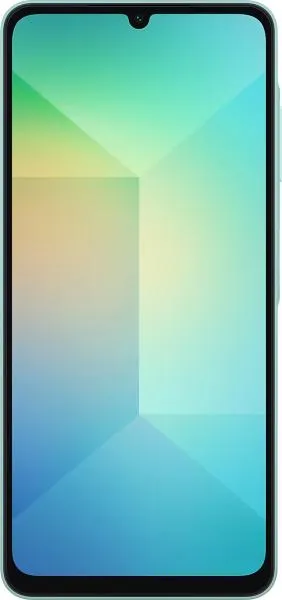
| Dimensions | 161.2 x 74.2 x 8 mm | 167.3 x 77.3 x 8 mm | The Redmi is noticeably smaller and may be more comfortable for one-handed use. |
| Weight | 187g | 189g | Negligible weight difference. |
| Build | Not specified | Not specified | Build quality and materials cannot be compared due to lack of information. |
| Display | |||
| Display Type | AMOLED, 120Hz | PLS LCD | The Redmi's AMOLED offers significantly better contrast, vibrant colors, and smoother scrolling thanks to the 120Hz refresh rate. The A06's LCD will likely appear washed out in comparison. |
| Size | 6.67" | 6.7" | Virtually identical screen sizes. |
| Resolution | 1220 x 2712 (446 ppi) | 720 x 1600 (262 ppi) | The Redmi has a much sharper and more detailed display. The A06's lower resolution will result in noticeable pixelation, especially with text and images. |
| Brightness | 1800 nits (peak) | Not specified | The Redmi's high peak brightness ensures excellent outdoor visibility. The A06's unspecified brightness makes comparison impossible, but it's unlikely to match the Redmi. |
| Refresh Rate | 120Hz | Not specified | The Redmi's 120Hz refresh rate makes scrolling and animations significantly smoother. The A06 likely has a standard 60Hz refresh rate, leading to a less fluid experience. |
| Performance | |||
| Chipset | Snapdragon 7s Gen 2 (4nm) | Helio G85 (12nm) | The Redmi's Snapdragon chip is significantly more powerful, resulting in faster app loading, smoother multitasking, and better gaming performance. The 12nm process on the Helio G85 suggests lower efficiency compared to the Redmi's 4nm chip. |
| CPU | Octa-core (4x2.4 GHz & 4x1.95 GHz) | Octa-core (2x2.0 GHz & 6x1.8 GHz) | The Redmi's CPU configuration and higher clock speeds suggest superior performance in demanding tasks. |
| GPU | Adreno 710 | Mali-G52 MC2 | The Redmi's Adreno 710 GPU is significantly more capable for gaming and graphically intensive tasks than the Mali-G52 MC2. |
| RAM | 8GB/12GB | 6GB | More RAM in the Redmi enables better multitasking and smoother performance with multiple apps open. |
| Storage | 256GB/512GB | 128GB | The Redmi offers more storage options for users with large media libraries. |
| Camera | |||
| Video Capabilities | 4K@30fps, 1080p@120fps | 1080p@60fps | The Redmi offers superior video recording capabilities, including 4K resolution and higher frame rates for slow-motion video. |
| Details | Not specified for both | Not specified for both | Insufficient information to compare camera quality and features. |
| Battery | |||
| Capacity | 5100 mAh | 5000 mAh | Negligible difference in battery capacity. Real-world battery life will depend more on software optimization and display efficiency. |
2. Key Differences Analysis
Redmi Note 13 Pro Advantages:
- Superior Display: AMOLED with higher resolution, refresh rate, and brightness.
- Significantly Better Performance: More powerful chipset, CPU, and GPU.
- More RAM and Storage Options: Better for multitasking and large files.
- Enhanced Video Recording: 4K and higher frame rate options.
Samsung Galaxy A06 Advantages:
- Potentially Lower Price: Belongs to a lower price range.
- More Recent Android Version (at launch): Shipped with Android 14.
Trade-offs: The Redmi Note 13 Pro's higher performance and premium display come at a higher price. The Galaxy A06 compromises significantly on performance and display quality for a lower price point.
3. User Profiles & Recommendations
Redmi Note 13 Pro: Users who prioritize performance, a high-quality display, and versatile camera features. Suitable for gaming, media consumption, multitasking, and content creation.
Samsung Galaxy A06: Users on a tight budget who primarily use their phone for basic tasks like calling, texting, and browsing. Not recommended for demanding applications or media consumption.
4. Decision Framework
Key Questions:
- What is your budget? The Redmi is a mid-range phone, while the A06 is a budget device.
- What are your primary phone usage patterns? Gaming, media consumption, or basic communication?
- How important is display quality and performance?
Scenario-Based Recommendations:
- Limited Budget, Basic Usage: Galaxy A06
- Balanced Budget, Versatile Usage: Redmi Note 13 Pro
- Power User, Demanding Tasks: Redmi Note 13 Pro
My Choice: Xiaomi Redmi Note 13 Pro
The Redmi Note 13 Pro offers a vastly superior user experience with its AMOLED display, powerful performance, and versatile features. While potentially more expensive, the difference in quality and capabilities makes it a far more compelling choice for most users. The Galaxy A06 is only suitable for extremely budget-conscious buyers who prioritize basic functionality above all else. The long-term benefits of a smoother, faster, and more visually appealing experience outweigh the potential price difference for me. The significantly better display alone makes the Redmi the clear winner.
