1. Specifications Comparison
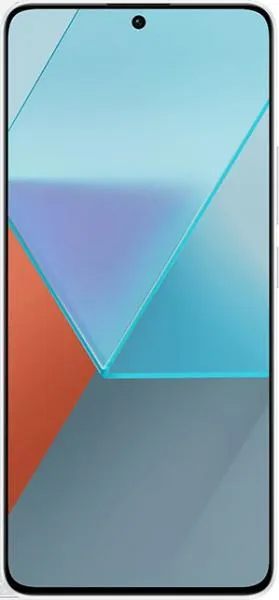
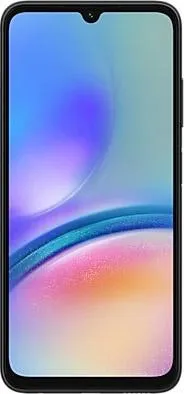
| Feature | Xiaomi Redmi Note 13 Pro | Samsung Galaxy A05s | Practical Impact |
|---|---|---|---|
| Design | |||
| Dimensions | 161.2 x 74.2 x 8 mm | 168 x 77.8 x 8.8 mm | The Redmi is noticeably smaller and thinner, making it more pocketable and easier to handle. |
| Weight | 187g | 194g | While the weight difference is minimal, the Redmi feels lighter in hand. |
| Build Materials | Not specified | Not specified | Cannot compare build quality without more information. |
| Display | |||
| Display Type | AMOLED, 120Hz | PLS LCD, 90Hz | The Redmi's AMOLED offers significantly better contrast, deeper blacks, and more vibrant colors. The 120Hz refresh rate provides a smoother, more responsive experience compared to the 90Hz LCD on the A05s. |
| Resolution | 1220 x 2712 | 1080 x 2400 | The Redmi's higher resolution results in sharper text and images. |
| Peak Brightness | 1800 nits | Not specified | The Redmi's exceptionally high peak brightness ensures excellent visibility in direct sunlight. The lack of this specification for the A05s makes a direct comparison impossible, but it's unlikely to match the Redmi's brightness. |
| Performance | |||
| Chipset | Snapdragon 7s Gen 2 (4nm) | Snapdragon 680 4G (6nm) | The 7s Gen 2 is a more powerful chipset, offering better performance in demanding tasks and games. |
| CPU | Octa-core (4x2.40 GHz Cortex-A78 & 4x1.95 GHz Cortex-A55) | Octa-core (4x2.4 GHz Kryo 265 Gold & 4x1.9 GHz Kryo 265 Silver) | The Redmi's CPU architecture and higher clock speeds translate to faster processing and smoother multitasking. |
| GPU | Adreno 710 | Adreno 610 | The Redmi's Adreno 710 GPU offers significantly better graphics performance for gaming and other visually demanding applications. |
| RAM/Storage | 256GB/8GB, 256GB/12GB, 512GB/12GB | 128GB/4GB, 128GB/6GB | The Redmi offers more RAM and storage options, allowing for smoother multitasking and ample space for apps and files. |
| Camera | |||
| Rear Camera | Not specified | Not specified | Camera quality cannot be compared without specific sensor details and features. |
| Video Recording | 4K@30fps, 1080p@ various fps | 1080p@30/60fps | The Redmi offers 4K video recording, providing higher resolution videos. |
| Battery | |||
| Capacity | 5100 mAh | 5000 mAh | Both phones have similar battery capacities, likely resulting in comparable battery life. Real-world usage will depend on individual usage patterns and software optimization. |
2. Key Differences Analysis
Redmi Note 13 Pro Advantages:
- Superior Display: AMOLED with higher resolution, refresh rate, and peak brightness delivers a significantly better visual experience.
- Stronger Performance: The 7s Gen 2 chipset and more RAM options ensure smoother performance for demanding tasks and gaming.
- More Storage Options: Caters to users needing ample space for apps, media, and files.
- 4K Video Recording: Allows for capturing higher quality videos.
Samsung Galaxy A05s Advantages:
- Potentially Lower Price: While price isn't specified, the A05s, with its lower specs, likely falls into a more budget-friendly category.
3. User Profiles & Recommendations
Redmi Note 13 Pro: Ideal for users who prioritize performance, a vibrant display, and ample storage. Suitable for gaming, media consumption, multitasking, and content creation.
Samsung Galaxy A05s: Best suited for budget-conscious users who primarily use their phones for basic tasks like calling, texting, browsing, and social media. Less demanding users who prioritize battery life over top-tier performance.
4. Decision Framework
Key Questions for Buyers:
- What is your budget? The A05s is likely more affordable.
- What are your primary phone usage patterns? For demanding tasks, the Redmi is superior. For basic usage, the A05s might suffice.
- How important is display quality? The Redmi's AMOLED display is a significant advantage.
My Choice: Xiaomi Redmi Note 13 Pro
While lacking specific camera details for a complete comparison, the Redmi Note 13 Pro is the clear winner for me. Its superior display, significantly better performance, and larger storage options outweigh the potential price difference. The smoother 120Hz AMOLED display, faster processor, and ample RAM would provide a more enjoyable and responsive user experience for my daily usage, which includes multitasking, media consumption, and occasional gaming. The ability to record in 4K is also a significant advantage. While the A05s might be suitable for budget-conscious users with basic needs, the Redmi offers a substantial upgrade in user experience.
