1. Specifications Comparison
| Feature | Xiaomi Redmi Note 13 Pro | Samsung Galaxy A05 | Practical Impact |
|---|---|---|---|
| Design | |||
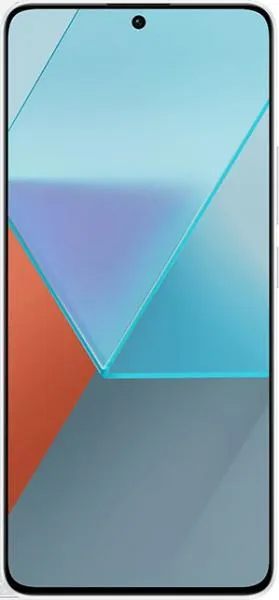
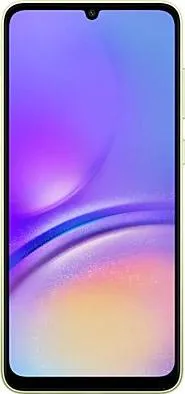
| Dimensions | 161.2 x 74.2 x 8 mm | 168.8 x 78.2 x 8.8 mm | The Redmi is noticeably smaller and thinner, making it more pocketable and easier to handle. |
| Weight | 187g | 195g | While the weight difference is minimal, the Redmi feels lighter in hand. |
| Build Materials | Not specified | Not specified | We cannot compare build quality without more information. |
| Display | |||
| Display Type | AMOLED, 120Hz | PLS LCD | The Redmi's AMOLED display offers significantly better contrast, deeper blacks, and vibrant colors. The 120Hz refresh rate ensures smoother scrolling and animations. |
| Resolution | 1220 x 2712 | 720 x 1600 | The Redmi boasts a much sharper display with significantly higher pixel density (446 ppi vs 262 ppi), resulting in crisper text and images. |
| Peak Brightness | 1800 nits | Not specified | The Redmi's exceptionally high peak brightness ensures excellent outdoor visibility. The lack of data for the A05 prevents a direct comparison. |
| Performance | |||
| Chipset | Snapdragon 7s Gen 2 (4nm) | Mediatek Helio G85 (12nm) | The Redmi's more modern and powerful chipset, built on a smaller process node, offers significantly better performance and efficiency for demanding tasks and gaming. |
| CPU | Octa-core (4x2.4 GHz Cortex-A78 & 4x1.95 GHz Cortex-A55) | Octa-core (2x2.0 GHz Cortex-A75 & 6x1.8 GHz Cortex-A55) | The Redmi has faster and more efficient CPU cores, translating to smoother multitasking and faster app loading. |
| GPU | Adreno 710 | Mali-G52 MC2 | The Redmi's GPU offers superior graphics performance, resulting in a smoother gaming experience and better handling of graphically intensive applications. |
| RAM/Storage | 256GB/8GB, 256GB/12GB, 512GB/12GB | 128GB/4GB, 128GB/6GB | The Redmi offers more RAM and storage options, catering to power users and ensuring smoother multitasking and ample space for apps and media. |
| Camera | |||
| Rear Camera | Not specified | Not specified | Camera quality cannot be compared without detailed sensor specifications. |
| Video Recording | 4K@30fps, 1080p@30/60/120fps (EIS) | 1080p@30/60fps | The Redmi offers 4K video recording and higher frame rate options for smoother slow-motion video. |
| Battery | |||
| Capacity | 5100 mAh | 5000 mAh | Similar battery capacities suggest comparable battery life, but real-world performance depends on software optimization and display efficiency. |
| Charging Speed | Not specified | Not specified | Charging speeds cannot be compared without more information. |
| Other | |||
| NFC | Yes | No | The Redmi supports NFC for contactless payments and other functionalities. |
| OS | Android 13 | Android 13 | Both phones run on the same OS version, but long-term software updates might differ. |
2. Key Differences Analysis
Redmi Note 13 Pro Advantages:
- Superior Display: AMOLED with 120Hz refresh rate and higher resolution offers a significantly better visual experience.
- Significantly Better Performance: More powerful chipset and GPU for smoother multitasking, gaming, and demanding applications.
- More RAM and Storage: Caters to power users and provides ample space for apps and media.
- NFC Support: Enables contactless payments and other convenient features.
- More Versatile Video Recording: Offers 4K recording and higher frame rate options.
Samsung Galaxy A05 Advantages:
- Potentially Lower Price: Belongs to a lower price range, making it more budget-friendly. (Specific prices not provided.)
Trade-offs: The Redmi's superior features come at a likely higher price. The A05 prioritizes affordability over performance and features.
3. User Profiles & Recommendations
Redmi Note 13 Pro: Ideal for users who prioritize performance, a high-quality display, and features like NFC. Suitable for gaming, media consumption, multitasking, and mobile photography/videography.
Samsung Galaxy A05: Suitable for budget-conscious users who primarily use their phone for basic tasks like calling, texting, web browsing, and social media.
4. Decision Framework
Key Questions for Buyers:
- What is your budget? The A05 is likely significantly cheaper.
- What are your primary phone usage patterns? For basic tasks, the A05 might suffice. For demanding tasks, the Redmi is superior.
- Which features are most important to you? Prioritize features like display quality, performance, NFC, or camera capabilities.
My Choice: Xiaomi Redmi Note 13 Pro
While I lack pricing information, the Redmi Note 13 Pro is the clear winner based on the provided specifications. Its superior display, significantly better performance, larger RAM and storage options, NFC functionality, and more versatile video recording capabilities make it a far more compelling device. Even if the price difference is substantial, the Redmi offers a significantly enhanced user experience that would likely be worth the extra cost for most users beyond those with the most stringent budget constraints. The performance difference alone would drastically change the feel of daily use, making the Redmi a much more future-proof choice.
