1. Specifications Comparison
| Feature | Xiaomi Redmi Note 13 Pro | Realme Note 50 | Practical Impact |
|---|---|---|---|
| Design | |||
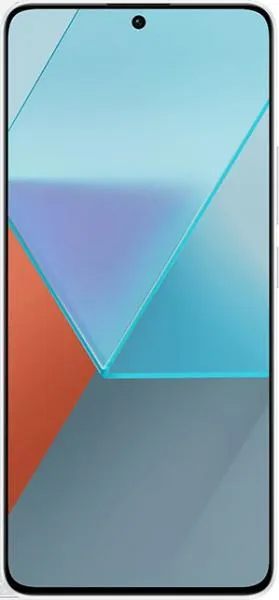
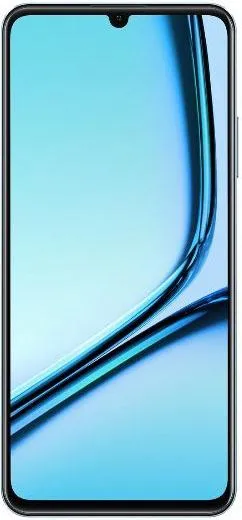
| Dimensions | 161.2 x 74.2 x 8 mm | 167.2 x 76.7 x 8 mm | Redmi is slightly smaller and potentially more comfortable for one-handed use. |
| Weight | 187g | 186g | Negligible weight difference. |
| Build Materials | Not specified | Not specified | Cannot compare build quality and durability. |
| Display | |||
| Display Type | AMOLED, 120Hz | IPS LCD, 90Hz | Redmi's AMOLED offers richer colors, deeper blacks, and smoother scrolling due to the higher refresh rate. |
| Resolution | 1220 x 2712 (446 ppi) | 720 x 1600 (260 ppi) | Redmi's significantly higher resolution results in much sharper text and images. |
| Peak Brightness | 1800 nits | 560 nits | Redmi will be far more readable in direct sunlight. |
| Performance | |||
| Chipset | Snapdragon 7s Gen 2 (4nm) | Unisoc Tiger T612 (12nm) | Redmi's processor is significantly more powerful, enabling smoother multitasking and better gaming performance. The 4nm process also suggests better power efficiency. |
| CPU | Octa-core (4x2.40 GHz Cortex-A78 & 4x1.95 GHz Cortex-A55) | Octa-core (2x1.8 GHz Cortex-A75 & 6x1.8 GHz Cortex-A55) | Redmi's CPU architecture and higher clock speeds translate to a noticeable performance advantage. |
| GPU | Adreno 710 | Mali-G57 | Redmi's GPU offers superior graphics performance for demanding games and applications. |
| RAM/Storage | 256GB/8GB, 256GB/12GB, 512GB/12GB | 128GB/4GB | Redmi provides more RAM and storage options for better multitasking and larger file storage. |
| Camera | |||
| Rear Camera | Not specified | Not specified | Camera quality cannot be compared without specific sensor details and aperture information. |
| Video | 4K@30fps, 1080p@ various fps | 1080p@30fps | Redmi offers superior video recording capabilities with 4K resolution and various frame rate options including higher frame rates with electronic image stabilization (EIS). |
| Battery | |||
| Capacity | 5100 mAh | 5000 mAh | Negligible difference in battery capacity. Real-world battery life will depend more on software optimization and usage patterns. |
| Charging Speed | Not specified for either phone | Cannot compare charging speeds. | |
| Other | |||
| OS | Android 13 | Android 13 | Both run on the same base OS. Long-term software updates are unknown. |
| NFC | Yes | No | Redmi supports contactless payments and data transfer via NFC. |
| Price Range | Medium | Low | Realme is positioned as a more budget-friendly option. |
2. Key Differences Analysis
Redmi Note 13 Pro Advantages:
- Significantly better display: Higher resolution, AMOLED technology, higher refresh rate, and much brighter.
- Much more powerful performance: Superior processor, GPU, and more RAM/storage options.
- Superior video recording capabilities: 4K recording and various frame rate options.
- NFC for contactless payments: Added convenience for mobile payments and data transfer.
Realme Note 50 Advantages:
- Lower price: More budget-friendly option.
3. User Profiles & Recommendations
Redmi Note 13 Pro: Users who prioritize performance, a high-quality display, and features like NFC. Suitable for gaming, media consumption, multitasking, and mobile photography/videography.
Realme Note 50: Users on a tight budget who primarily need a basic smartphone for calling, texting, and light web browsing.
4. Decision Framework
Key Questions for Buyers:
- What is your budget? The Realme is significantly cheaper.
- What are your performance needs? The Redmi offers a vastly superior experience for demanding tasks.
- How important is display quality? The Redmi's AMOLED display is a major advantage.
My Choice: Xiaomi Redmi Note 13 Pro
Reasoning: The Redmi Note 13 Pro offers significantly better value despite the higher price. The superior display, performance, and features like NFC justify the price difference for most users. The Realme Note 50 makes compromises in key areas like display and performance that would negatively impact my daily usage. While budget is a factor, the long-term frustration of a slower, less responsive phone outweighs the initial cost savings for me. The Redmi Note 13 Pro provides a more future-proof and enjoyable user experience.
