1. Specifications Comparison
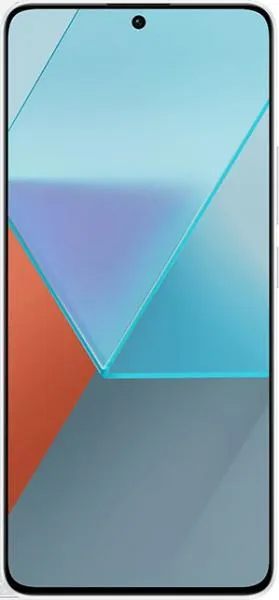
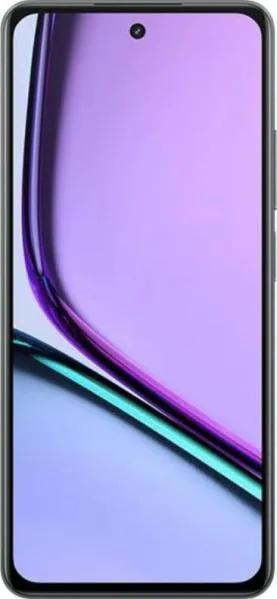
| Feature | Xiaomi Redmi Note 13 Pro | Realme C67 | Practical Impact |
|---|---|---|---|
| Design | |||
| Dimensions | 161.2 x 74.2 x 8 mm | 165.7 x 76 x 7.9 mm | Redmi is slightly smaller and thinner, potentially easier to handle. |
| Weight | 187g | 190g | Negligible weight difference in practical use. |
| Build | Unspecified | Unspecified | Build quality and materials cannot be compared without further information. |
| Display | |||
| Display Type | AMOLED, 68B colors, 120Hz, Dolby Vision | IPS LCD, 120Hz | Redmi's AMOLED offers deeper blacks, richer colors, and potentially higher power efficiency due to individual pixel illumination. Dolby Vision support on the Redmi enhances HDR content. |
| Size | 6.67" | 6.72" | Realme has a marginally larger screen. |
| Resolution | 1220 x 2712 (446 ppi) | 1080 x 2400 (392 ppi) | Redmi offers significantly sharper visuals due to higher resolution and pixel density. |
| Peak Brightness | 1800 nits | 680 nits (HBM) | Redmi will be significantly more readable in direct sunlight. |
| Refresh Rate | 120Hz | 120Hz | Both offer smooth scrolling and animations. |
| Performance | |||
| Chipset | Snapdragon 7s Gen 2 (4nm) | Dimensity 6100+ (6nm) | Redmi's processor is likely more powerful based on benchmarks (though specific numbers are unavailable for comparison). The 4nm process suggests better power efficiency for the Redmi. |
| CPU | Octa-core (4x2.4 GHz A78 & 4x1.95 GHz A55) | Octa-core (2x2.2 GHz A76 & 6x2.0 GHz A55) | Redmi's CPU configuration, with faster Cortex-A78 cores, suggests better performance for demanding tasks. |
| GPU | Adreno 710 | Mali-G57 MC2 | Redmi's GPU is generally considered more powerful, leading to smoother gaming and faster graphics rendering. |
| RAM/Storage | Multiple Options up to 12GB/512GB | 128GB/6GB RAM | Redmi offers more RAM and storage options, allowing users to choose configurations that better suit their needs. Larger RAM enables better multitasking. |
| Camera | |||
| Rear Camera | Unspecified | Unspecified | Camera performance cannot be compared without detailed sensor and lens specifications. |
| Video | 4K@30fps, 1080p at various fps with EIS | 1080p@30fps | Redmi offers higher resolution video recording (4K) and Electronic Image Stabilization (EIS) for smoother footage at various resolutions. |
| Battery | |||
| Capacity | 5100 mAh | 5000 mAh | Negligible difference in battery capacity. Real-world battery life will depend on other factors like display, processor efficiency, and software optimization. |
| Other | |||
| NFC | Yes | No | Redmi supports contactless payments and data transfer. |
| OS | Android 13 | Android 13 | Both run on the latest Android version; however, Redmi specifies longer OS support up to Android 16. |
2. Key Differences Analysis
Redmi Note 13 Pro Advantages:
- Superior Display: AMOLED with higher resolution, brightness, and Dolby Vision.
- More Powerful Performance: More capable chipset and GPU.
- More RAM and Storage Options: Provides flexibility for different user needs.
- Better Video Recording: 4K recording and EIS.
- NFC: Enables contactless payments.
- Longer Software Support: Confirmed updates up to Android 16.
Realme C67 Advantages:
- Slightly Larger Display: Though with lower resolution and brightness.
3. User Profiles & Recommendations
Redmi Note 13 Pro: Users who prioritize display quality, performance, versatility, future-proofing with software updates, and features like NFC. Suitable for gaming, media consumption, multitasking, and mobile photography/videography enthusiasts.
Realme C67: Budget-conscious users who primarily need a large screen for basic tasks like browsing, social media, and communication.
4. Decision Framework
Key Questions for Buyers:
- What is your budget? The Redmi Note 13 Pro likely commands a higher price due to its superior features.
- What are your primary use cases? Gaming, media consumption, and photography/videography benefit from the Redmi's superior hardware.
- How important are display quality and brightness? The Redmi's AMOLED screen offers a significant advantage.
My Choice: Xiaomi Redmi Note 13 Pro
The Redmi Note 13 Pro is the clear winner for me. The superior AMOLED display, significantly more powerful processor, versatile RAM/storage options, better video recording capabilities, NFC functionality, and longer software support make it a much more compelling device. While the Realme C67 might offer a slightly larger display size, the compromises in resolution, brightness, and overall performance are too significant to ignore. The Redmi offers a more future-proof and enjoyable user experience in almost every aspect. Even without knowing the exact pricing, the value proposition of the Redmi Note 13 Pro is significantly higher based on the available specifications.
