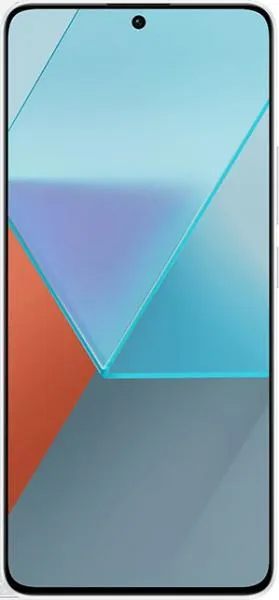
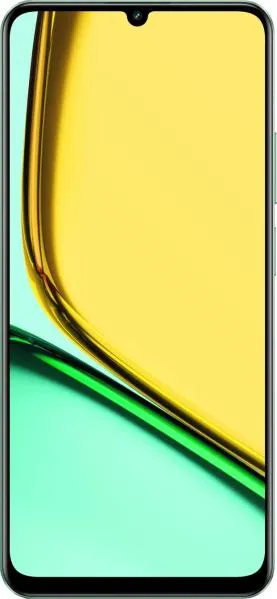
1. Specifications Comparison
| Feature | Xiaomi Redmi Note 13 Pro | Realme C61 | Practical Impact |
|---|---|---|---|
| Design | |||
| Dimensions (mm) | 161.2 x 74.2 x 8 | 167.3 x 76.7 x 7.8 | The Redmi is slightly smaller and may feel more comfortable for one-handed use. |
| Weight (g) | 187 | 188 | Negligible weight difference. |
| Build Materials | Not specified | Not specified | Cannot compare build quality and durability. |
| Display | |||
| Display Type | AMOLED, 120Hz | IPS LCD, 90Hz | The Redmi's AMOLED offers significantly better contrast, deeper blacks, and more vibrant colors. The 120Hz refresh rate provides a smoother experience compared to the 90Hz on the Realme. |
| Resolution | 1220 x 2712 | 720 x 1600 | The Redmi's display is much sharper and more detailed due to its significantly higher resolution. |
| Peak Brightness | 1800 nits | 560 nits | The Redmi will be far more readable in direct sunlight. |
| Performance | |||
| Chipset | Snapdragon 7s Gen 2 (4nm) | Unisoc Tiger T612 (12nm) | The Snapdragon 7s Gen 2 is a more powerful and efficient chip, leading to better performance and battery life in the Redmi. |
| CPU | Octa-core (4x2.4 GHz A78 & 4x1.95 GHz A55) | Octa-core (2x1.8 GHz A75 & 6x1.8 GHz A55) | The Redmi has a more powerful CPU architecture, resulting in faster app loading, smoother multitasking, and better gaming performance. |
| GPU | Adreno 710 | Mali-G57 | The Adreno 710 offers superior graphics performance compared to the Mali-G57, resulting in a smoother gaming experience on the Redmi. |
| RAM/Storage | 256GB/8GB, 256GB/12GB, 512GB/12GB | 256GB/6GB | The Redmi offers more RAM options for better multitasking. |
| Camera | |||
| Video Capabilities | 4K@30fps, 1080p@ various fps with EIS | 1080p@30fps | The Redmi offers superior video recording capabilities with 4K resolution and Electronic Image Stabilization (EIS) for smoother footage. Detailed camera specs (sensor size, aperture) are missing for both phones, limiting a comprehensive comparison. |
| Battery | |||
| Capacity | 5100 mAh | 5000 mAh | Negligible difference in battery capacity. Real-world battery life will depend more on software optimization and usage patterns. |
| Charging Speed | Not Specified | Not Specified | Cannot compare charging speeds. |
| Other | |||
| OS | Android 13 | Android 14 | The Realme comes with a newer Android version out of the box. However, the Redmi is likely to receive updates to newer versions. |
| NFC | Yes | No | The Redmi supports NFC for contactless payments and other functionalities. |
2. Key Differences Analysis
Redmi Note 13 Pro Advantages:
- Significantly better display: Higher resolution, AMOLED technology, higher refresh rate, and much brighter.
- Superior performance: More powerful chipset, CPU, and GPU.
- More versatile camera: 4K video recording and EIS.
- NFC functionality: Enables contactless payments.
Realme C61 Advantages:
- Lower price: Belongs to a lower price range.
- Newer Android version out of the box: Android 14.
3. User Profiles & Recommendations
Redmi Note 13 Pro: Users who prioritize performance, a high-quality display, and features like NFC. Suitable for gaming, media consumption, and multitasking.
Realme C61: Budget-conscious users who prioritize basic functionality and a large screen. Suitable for light usage, such as calling, texting, and browsing.
4. Decision Framework
Key Questions for Buyers:
- What is your budget? The Realme C61 is significantly cheaper.
- What are your primary use cases? For demanding tasks, the Redmi is far superior. For basic use, the Realme might suffice.
- How important is display quality? The Redmi's display is a major advantage.
My Choice: Xiaomi Redmi Note 13 Pro
While the Realme C61 offers a lower price point, the Xiaomi Redmi Note 13 Pro provides significantly more value for the likely price difference. The vastly superior display, performance, camera capabilities, and NFC functionality make it a much more compelling device for a wider range of users. The Redmi's advantages in core areas like display and performance outweigh the Realme's newer Android version and lower price, especially considering long-term usability and enjoyment. The improved user experience offered by the Redmi would be worth the extra cost for me.
