
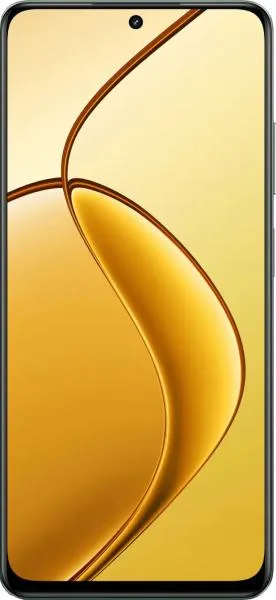
1. Specifications Comparison
| Feature | Xiaomi Redmi Note 13 Pro | Realme 12x | Practical Impact |
|---|---|---|---|
| Design | |||
| Dimensions | 161.2 x 74.2 x 8 mm | 165.6 x 76.1 x 7.9 mm | Redmi is slightly smaller and thinner, potentially improving one-handed use. |
| Weight | 187g | 190g | Negligible weight difference. |
| Build | Not specified | Not specified | Build quality impact on durability and premium feel cannot be assessed. |
| Display | |||
| Size | 6.67" | 6.67" | Same screen size. |
| Type | AMOLED, 120Hz | IPS LCD, 120Hz | AMOLED offers deeper blacks, better contrast, and potentially better power efficiency. Redmi's Dolby Vision support enhances HDR content. |
| Resolution | 1220 x 2712 (FHD+) | 720 x 1604 (HD+) | Significantly sharper and more detailed visuals on the Redmi due to much higher resolution. Impacts clarity of text, images, and videos. |
| Peak Brightness | 1800 nits | 625 nits | Redmi's display will be much brighter and more visible in direct sunlight. |
| Performance | |||
| Chipset | Snapdragon 7s Gen 2 (4nm) | Dimensity 6100+ (6nm) | Snapdragon generally offers better GPU performance, potentially impacting gaming and demanding tasks. |
| CPU | Octa-core (4x2.4 GHz & 4x1.95 GHz) | Octa-core (2x2.2 GHz & 6x2.0 GHz) | Redmi likely has a performance advantage due to faster prime cores. |
| GPU | Adreno 710 | Mali-G57 MC2 | Adreno 710 generally provides better graphics performance. |
| RAM/Storage | 256GB/8GB, 256GB/12GB, 512GB/12GB | 256GB/8GB | Redmi offers a 12GB RAM option for improved multitasking. |
| Camera | |||
| Rear Camera | Not specified | Not specified | Camera quality comparison is impossible without detailed sensor and lens information. |
| Video | 4K@30fps, 1080p@ various fps | 1080p@30fps | Redmi offers superior video recording capabilities with 4K resolution and higher frame rate options including Electronic Image Stabilization (EIS) for smoother footage. |
| Battery | |||
| Capacity | 5100 mAh | 5000 mAh | Negligible difference in battery capacity. Real-world battery life depends on various factors including display, chipset efficiency, and software optimization. |
2. Key Differences Analysis
Redmi Note 13 Pro Advantages:
- Significantly better display: Higher resolution, AMOLED technology, Dolby Vision, and much higher peak brightness deliver a superior visual experience.
- More powerful performance: The Snapdragon chipset and faster CPU cores likely offer a noticeable performance advantage, especially for gaming and demanding applications.
- More versatile video recording: 4K resolution and higher frame rate options with EIS provide significantly better video quality and smoother footage.
- More RAM Options: Availability of 12GB RAM can improve multitasking performance.
Realme 12x Advantages:
- More recent Android Version: Launches with Android 14, potentially offering newer features and longer software support. However, Redmi is likely to receive updates to newer Android versions as well.
- Potentially Lower Price: While both are mid-range, the Realme 12x might be priced lower given its less powerful specs. This needs confirmation.
3. User Profiles & Recommendations
Redmi Note 13 Pro: Users who prioritize a high-quality display, smooth performance for gaming or demanding tasks, and superior video recording capabilities. Suitable for content consumption, mobile photography enthusiasts, and gamers.
Realme 12x: Users on a tighter budget who prioritize basic functionality and a large screen. Suitable for casual users primarily focused on communication, web browsing, and light media consumption.
4. Decision Framework
Key Questions for Buyers:
- What is your budget? The price difference could be a deciding factor.
- What is your primary use case? Gaming, content consumption, or basic communication?
- How important is display quality? Is a vibrant, sharp display a priority?
My Choice: Xiaomi Redmi Note 13 Pro
The Xiaomi Redmi Note 13 Pro is the clear winner for me. The vastly superior display, significantly better performance, and more versatile video recording capabilities outweigh the slightly older Android version on the Realme 12x. The higher resolution alone makes a huge difference in everyday usage. While the Realme 12x might be a decent budget option, the Redmi Note 13 Pro offers a substantial upgrade in user experience for a potentially slightly higher price. The lack of specific camera details limits a full assessment, but the available information strongly favors the Redmi. I value a sharp, bright display and smooth performance, making the Redmi Note 13 Pro the more compelling choice.
