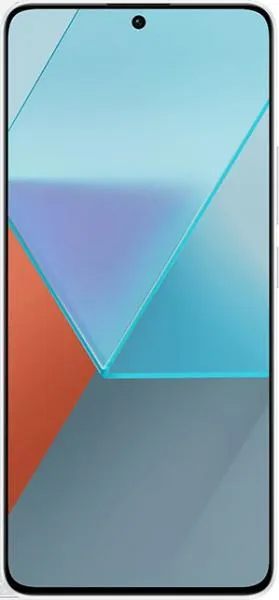
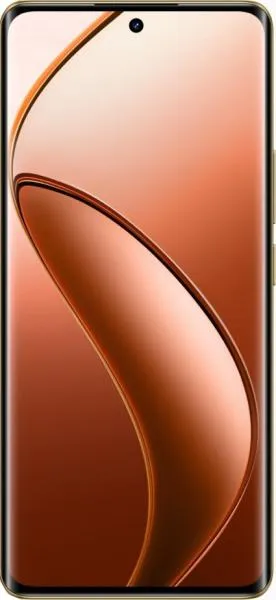
1. Specifications Comparison
| Feature | Xiaomi Redmi Note 13 Pro | Realme 12 Pro+ | Practical Impact |
|---|---|---|---|
| Design | |||
| Dimensions (mm) | 161.2 x 74.2 x 8 | 161.5 x 74 x 8.8 | Redmi is slightly thinner and shorter. Negligible difference in daily use. |
| Weight (g) | 187 | 196 | Redmi is noticeably lighter, improving one-handed use and reducing pocket bulk. |
| Build Materials | Not specified | Not specified | Cannot compare without information. |
| Display | |||
| Size (inches) | 6.67 | 6.7 | Negligible size difference. |
| Type | AMOLED, 68B colors, 120Hz, Dolby Vision | AMOLED, 1B colors, 120Hz | Both offer smooth scrolling and vibrant colors. Redmi's Dolby Vision support may offer slightly better HDR performance. Redmi boasts significantly more color depth, resulting in smoother color gradients and more accurate color reproduction, particularly noticeable in professional photo/video editing. |
| Resolution | 1220 x 2712 | 1080 x 2412 | Redmi has a sharper display (446 ppi vs 394 ppi), resulting in crisper text and images. |
| Peak Brightness (nits) | 1800 | 950 | Redmi gets significantly brighter, ensuring better visibility outdoors in direct sunlight. |
| Performance | |||
| Chipset | Snapdragon 7s Gen 2 (4 nm) | Snapdragon 7s Gen 2 (4 nm) | Identical performance expected. |
| CPU | Octa-core (4x2.40 GHz Cortex-A78 & 4x1.95 GHz Cortex-A55) | Octa-core (4x2.40 GHz Cortex-A78 & 4x1.95 GHz Cortex-A55) | Identical CPU performance. |
| GPU | Adreno 710 | Adreno 710 | Identical GPU performance for gaming and graphics-intensive tasks. |
| RAM/Storage | 512GB/12GB, 256GB/12GB, 256GB/8GB | 256GB/8GB | Redmi offers more RAM options for better multitasking. Larger RAM could benefit heavy users and gamers. |
| Battery | |||
| Capacity (mAh) | 5100 | 5000 | Redmi has slightly larger battery capacity, potentially offering slightly longer battery life. Real-world usage will vary. |
| Charging Speed | Not specified | Not specified | Cannot compare without specific charging speeds. |
| Other | |||
| OS | Android 13 | Android 14 | Realme comes with a newer Android version out-of-the-box offering potential feature and security advantages. |
| NFC | Yes | Yes | Both support contactless payments and data transfer. |
| Sensors | Accelerometer, Gyro, Compass, Fingerprint (under display) | Accelerometer, Gyro, Proximity, Compass, Fingerprint (under display) | Realme adds a proximity sensor for automatic screen off during calls. |
2. Key Differences Analysis
Xiaomi Redmi Note 13 Pro Advantages:
- Sharper, Brighter Display: Higher resolution and peak brightness significantly improve outdoor visibility and media consumption.
- More RAM Options: Offers configurations with up to 12GB RAM for smoother multitasking.
- Slightly Larger Battery: Potentially longer battery life.
- Lighter and Slimmer: Improved handling and portability.
- Wider Color Gamut: More accurate and vibrant color representation.
Realme 12 Pro+ Advantages:
- Newer Android Version: Comes with Android 14, potentially offering newer features and longer software support.
- Proximity Sensor: Enables automatic screen off during calls.
3. User Profiles & Recommendations
Xiaomi Redmi Note 13 Pro: Ideal for users who prioritize display quality, battery life, and performance for demanding tasks like gaming and media consumption. Suitable for power users who need ample RAM for multitasking.
Realme 12 Pro+: Suitable for users who prefer the latest Android version and features. A good option for average users with moderate usage patterns.
4. Decision Framework
Key Questions for Buyers:
- How important is display quality? If outdoor visibility and sharp visuals are paramount, the Redmi's superior display is a key advantage.
- What is your budget and RAM requirement? The Redmi offers more RAM options, but may be slightly more expensive in higher configurations.
- How important is having the latest software? The Realme's Android 14 might be preferable for users who prioritize the newest features and security updates.
Scenario-Based Recommendations:
- Heavy Multitasker/Gamer: Redmi Note 13 Pro for its higher RAM options and sharper display.
- Outdoor Enthusiast: Redmi Note 13 Pro for its superior brightness.
- Budget-Conscious User: Either phone could be suitable, depending on specific pricing and storage needs. Look for deals on the Realme if latest Android is desired.
My Choice: Xiaomi Redmi Note 13 Pro
Reasoning: The Redmi Note 13 Pro offers significant advantages in display quality and performance, particularly with the higher RAM options. The brighter and sharper display significantly enhances the user experience for media consumption and everyday use. While Android 14 on the Realme is appealing, the superior display, larger battery, and lighter weight of the Redmi outweigh this advantage for me. The potential for better color accuracy due to wider color gamut is also a strong factor. The minor difference in thickness is negligible, while the weight difference is more perceptible and favors the Redmi. Finally, assuming comparable pricing, the Redmi's more versatile RAM/storage configuration options make it a more future-proof choice.
