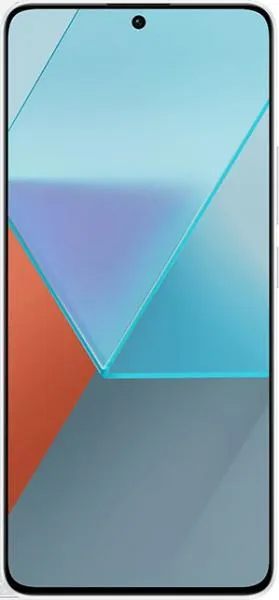

1. Specifications Comparison
| Feature | Xiaomi Redmi Note 13 Pro | Realme 12+ | Practical Impact |
|---|---|---|---|
| Design | |||
| Dimensions | 161.2 x 74.2 x 8 mm | 163 x 75.5 x 7.9 mm | Redmi is slightly smaller and thinner, potentially improving one-handed usability. |
| Weight | 187g | 190g | Negligible weight difference in real-world usage. |
| Build Materials | Not specified | Not specified | Cannot compare build quality and durability without more information. |
| Display | |||
| Size | 6.67" | 6.67" | Identical screen sizes. |
| Type | AMOLED, 120Hz, Dolby Vision | AMOLED, 120Hz, HDR10+ | Both offer smooth scrolling and vibrant colors. Dolby Vision on Redmi might offer slightly better HDR performance, but both are high quality. |
| Resolution | 1220 x 2712 (FHD+) | 1080 x 2400 (FHD+) | Redmi has a significantly sharper display due to higher pixel density (446 ppi vs 395 ppi), resulting in crisper text and images. |
| Peak Brightness | 1800 nits | 2000 nits | Realme has a slightly brighter peak brightness, making it more readable in direct sunlight. |
| Performance | |||
| Chipset | Snapdragon 7s Gen 2 (4nm) | Dimensity 7050 (6nm) | Performance should be comparable, though benchmarks would be needed for definitive comparison. Snapdragon's 4nm process might offer slightly better power efficiency. |
| CPU | Octa-core (4x2.4 GHz A78 & 4x1.95 GHz A55) | Octa-core (2x2.6 GHz A78 & 6x2.0 GHz A55) | Slight differences in core configurations; real-world performance differences likely minimal for average users. |
| GPU | Adreno 710 | Mali-G68 MC4 | Gaming performance might vary; dedicated benchmarks needed for accurate comparison. |
| RAM/Storage | Multiple options up to 12GB/512GB | 8GB/256GB | Redmi offers more RAM and storage options for users needing more multitasking power and storage space. |
| Battery | |||
| Capacity | 5100 mAh | 5000 mAh | Negligible difference in battery capacity; real-world battery life will depend more on software optimization and usage patterns. |
| Charging Speed | Not specified | Not specified | Cannot compare charging speeds without more information. |
| Camera | |||
| Rear Camera | Not specified | Not specified | Cannot compare camera quality and features without detailed specifications. |
| Video | 4K@30fps, 1080p@120fps | 4K@30fps, 1080p@60fps | Redmi offers 1080p video recording at 120fps for smoother slow-motion footage. |
| Software | |||
| OS | Android 13 | Android 14 | Realme comes with a newer Android version out of the box, potentially offering newer features and longer software support. |
2. Key Differences Analysis
Redmi Note 13 Pro Advantages:
- Sharper Display: Higher resolution for clearer visuals.
- More RAM/Storage Options: Flexibility for power users.
- Potentially More Power Efficient: Due to 4nm chipset.
- 1080p@120fps Video: Smoother slow-motion recording.
- Slightly Smaller Form Factor: Easier one-handed use.
Realme 12+ Advantages:
- Brighter Display: Better visibility in sunlight.
- Newer Android Version: Latest features and potentially longer updates.
Trade-offs:
- Redmi: Older Android version.
- Realme: Lower resolution display, less RAM and storage options.
3. User Profiles & Recommendations
Redmi Note 13 Pro: Users who prioritize a sharp display, ample storage and RAM, and value slow-motion video recording. Suitable for media consumption, gaming, and multitasking.
Realme 12+: Users who prioritize a bright display and the latest Android features. Suitable for general use, social media, and outdoor usage.
4. Decision Framework
Key Questions:
- How important is display sharpness vs. brightness?
- Do you need a lot of storage and RAM?
- How much do you value having the latest Android version?
Scenario-based Recommendations:
- Heavy multitasker/gamer: Redmi Note 13 Pro for its RAM/storage options and sharper display.
- Outdoor user: Realme 12+ for its brighter display.
- Software update enthusiast: Realme 12+ for its newer Android version.
My Choice: Xiaomi Redmi Note 13 Pro
While the Realme 12+ offers a brighter display and newer Android version, the Xiaomi Redmi Note 13 Pro's significantly sharper display, greater RAM/storage options, potentially better power efficiency (due to the 4nm chipset), and 120fps slow-motion video recording make it the more compelling device for me. I prioritize screen sharpness and performance over slight brightness differences and the latest Android version (which can often be updated later). The flexibility of multiple RAM and storage configurations also caters to future-proofing the device for longer-term use. The smaller form factor is a bonus for comfortable handling.
