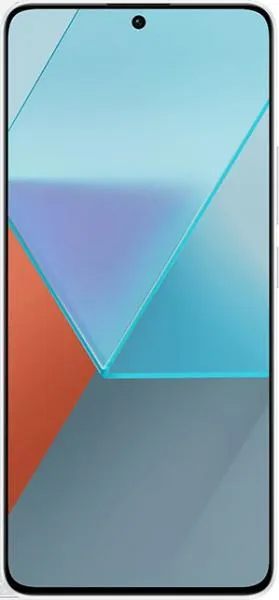
1. Specifications Comparison
| Feature | Xiaomi Redmi Note 13 Pro | Phone 8 | Practical Impact |
|---|---|---|---|
| Design | |||
| Dimensions | 161.2 x 74.2 x 8 mm | 162 x 75.1 x 8.7 mm | Phone 8 is slightly larger and thicker. May impact one-handed usability. |
| Weight | 187g | 191g | Negligible weight difference in practical use. |
| Display | |||
| Size | 6.67" | 6.78" | Phone 8 offers a slightly larger display, providing marginally more screen real estate. |
| Type | AMOLED, 68B colors, 120Hz | LTPO AMOLED, 1B colors, 120Hz | Both offer smooth scrolling with 120Hz. LTPO on Phone 8 allows for variable refresh rate, potentially saving battery. The color depth difference (68B vs 1B) is unlikely to be noticeable in real-world usage. |
| Peak Brightness | 1800 nits | 6000 nits | Phone 8's significantly higher peak brightness ensures superior outdoor visibility. |
| Resolution | 1220 x 2712 | 1264 x 2780 | Both offer sharp displays; the difference in resolution is negligible. |
| Performance | |||
| Chipset | Snapdragon 7s Gen 2 (4nm) | Snapdragon 7+ Gen 3 (4nm) | Phone 8 features a more powerful and newer chipset, translating to smoother performance, better multitasking, and improved gaming capabilities. |
| CPU | Octa-core (4x2.4 GHz A78 & 4x1.95 GHz A55) | Octa-core (1x2.8 GHz X4 & 4x2.6 GHz A720 & 3x1.9 GHz A520) | Phone 8's CPU architecture is more modern and powerful, leading to faster processing speeds. |
| GPU | Adreno 710 | Adreno 732 | Phone 8 has a significantly more capable GPU, resulting in noticeably better gaming and graphics performance. |
| RAM/Storage | 256GB/8GB, 256GB/12GB, 512GB/12GB | 512GB/12GB | Phone 8 only offers a high-end configuration, while the Redmi Note 13 Pro offers more flexibility in storage and RAM options. |
| Battery | |||
| Capacity | 5100 mAh | 5500 mAh | Phone 8 has a larger battery capacity, potentially leading to longer battery life. Real-world usage will vary. |
| Camera | |||
| Video | 4K@30fps (EIS), 1080p at various fps (EIS) | 4K@30/60fps (OIS, EIS), 1080p at various fps (OIS, EIS) | Phone 8 features Optical Image Stabilization (OIS) in addition to Electronic Image Stabilization (EIS) for potentially smoother and more stable video recording, particularly in low light. It also offers 4K at 60fps. |
| Other Sensors | accelerometer, gyro, compass, Fingerprint (under display) | accelerometer, gyro, proximity, compass, Fingerprint (under display), color spectrum | The color spectrum sensor on Phone 8 might contribute to slightly more accurate color reproduction in photos, but its real-world impact may be minimal. |
2. Key Differences Analysis
Phone 8 Advantages:
- Significantly brighter display: Better outdoor visibility.
- More powerful chipset and GPU: Smoother performance, better gaming.
- Larger battery: Potentially longer battery life.
- Optical Image Stabilization (OIS) for video: More stable video recording.
- More recent OS: Android 14 offers potential features and security improvements over Android 13.
Redmi Note 13 Pro Advantages:
- More storage and RAM options: Caters to different budget and storage needs.
- Potentially lower price: More affordable given the "medium price" range and older release date. More color options.
3. User Profiles & Recommendations
Phone 8: Users who prioritize performance, a bright and vibrant display, long battery life, and stable video recording. Ideal for gamers, power users, and those who frequently use their phones outdoors.
Redmi Note 13 Pro: Budget-conscious users who need a reliable phone with good performance for everyday tasks. Suitable for users who prioritize affordability and storage flexibility.
4. Decision Framework
Key Questions:
- What is your budget? The Redmi Note 13 Pro is likely more affordable.
- What are your performance needs? Gamers and power users will appreciate Phone 8.
- How important is outdoor visibility? Phone 8's significantly brighter display is a major advantage.
My Choice: Phone 8
While lacking specific model information and pricing, I would choose Phone 8. The Snapdragon 7+ Gen 3 offers a significant performance jump over the 7s Gen 2, which is crucial for future-proofing the device. The brighter display, larger battery, and inclusion of OIS for video recording are compelling advantages. While Phone 8 only comes in a 512GB/12GB configuration, my usage necessitates ample storage and RAM. Although the Redmi Note 13 Pro offers more flexibility in configurations and is likely more affordable, the performance and feature upgrades in Phone 8 justify the potential price difference for my needs.
