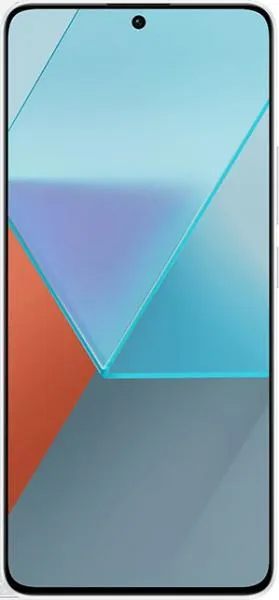
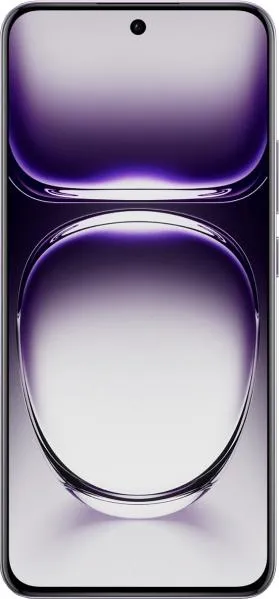
1. Specifications Comparison
| Feature | Category | Xiaomi Redmi Note 13 Pro | Oppo Reno12 Pro | Practical Impact |
|---|---|---|---|---|
| Dimensions | Design | 161.2 x 74.2 x 8 mm | 161.5 x 74.8 x 7.4 mm | Virtually identical in hand feel. Oppo slightly thinner. |
| Weight | Design | 187g | 180g | Negligible weight difference in real-world usage. |
| Display Size | Display | 6.67" | 6.7" | Almost identical screen real estate. |
| Display Type | Display | AMOLED, 68B colors, 120Hz, Dolby Vision | AMOLED, 1B colors, 120Hz, HDR10+ | Both offer smooth scrolling with 120Hz. Redmi boasts more color depth (68B vs 1B), potentially offering smoother color gradients, but discernible only to trained eyes. Both support HDR, but different formats (Dolby Vision vs HDR10+); content availability dictates practical difference. |
| Resolution | Display | 1220 x 2712 | 1080 x 2412 | Redmi packs significantly higher pixel density (446 ppi vs 394 ppi), resulting in sharper text and images. Difference noticeable in everyday use. |
| Peak Brightness | Display | 1800 nits | 1200 nits | Redmi's display will be significantly more visible in direct sunlight. |
| Chipset | Performance | Snapdragon 7s Gen 2 (4nm) | Dimensity 7300 Energy (4nm) | Both are mid-range chipsets built on a 4nm process, offering good power efficiency. Performance differences likely minimal for average users, though benchmarks would provide clearer comparison. |
| CPU | Performance | Octa-core (4x2.4 GHz Cortex-A78 & 4x1.95 GHz Cortex-A55) | Octa-core (4x2.5 GHz Cortex-A78 & 4x2.0 GHz Cortex-A55) | Oppo has slightly higher clock speeds on both its performance and efficiency cores, potentially resulting in slightly faster app loading and multitasking. However, real-world difference might be negligible. |
| GPU | Performance | Adreno 710 | Mali-G615 MC2 | GPU performance is crucial for gaming. Adreno 710 generally offers better performance compared to Mali-G615 MC2, leading to smoother gaming and potentially higher graphics settings. |
| RAM/Storage | Performance | Multiple Options (up to 12GB/512GB) | 12GB/512GB | Redmi offers more flexibility with RAM and storage configurations, catering to different budget and storage needs. |
| Battery Capacity | Battery | 5100 mAh | 5000 mAh | Negligible difference in battery capacity; real-world battery life will depend more on software optimization and usage patterns. |
| OS | Software | Android 13, upgradable to 16 | Android 14, upgradable to 17 | Oppo ships with a newer Android version and guaranteed longer software support, crucial for security updates and new features. |
| Video Capabilities | Camera | 4K@30fps (EIS) | Up to 4K@30fps (HDR, OIS, EIS), Slow-mo up to 960fps | Oppo offers more advanced video features like OIS (Optical Image Stabilization) for smoother videos and significantly better slow-motion recording (960fps vs 120fps). No detailed camera sensor specifications provided to compare image quality. |
2. Key Differences Analysis
Redmi Note 13 Pro Advantages:
- Sharper Display: Higher resolution leads to noticeably crisper visuals.
- Brighter Display: Significantly brighter for better outdoor visibility.
- Potentially Better Gaming: Adreno 710 GPU generally outperforms Mali-G615.
- More Storage Options: Caters to various budgets and storage needs.
Oppo Reno12 Pro Advantages:
- Newer Software: Ships with Android 14 and longer software update support.
- Superior Video Stabilization: OIS enables smoother video recording.
- Advanced Slow-Motion: Captures slow-motion videos at much higher frame rates.
3. User Profiles & Recommendations
Redmi Note 13 Pro: Ideal for users prioritizing display quality, potentially gaming, and needing storage flexibility on a budget.
Oppo Reno12 Pro: Suitable for users who value software updates, superior video recording capabilities, and the latest Android features.
4. Decision Framework
Key Questions for Buyers:
- Is display sharpness and brightness a top priority? If yes, Redmi Note 13 Pro is favored.
- How important are software updates and longevity? If crucial, Oppo Reno12 Pro is the better choice.
- Is video recording a primary use case? Oppo Reno12 Pro offers better stabilization and slow-motion.
My Choice: Oppo Reno12 Pro
Reasoning: While the Redmi Note 13 Pro boasts a superior display, the Oppo Reno12 Pro's longer software support, newer Android version, and significantly better video recording capabilities are more compelling to me. Software updates are crucial for long-term security and performance, making the Oppo a more future-proof choice. The inclusion of OIS for video stabilization is a significant advantage for capturing steady footage. Although the Redmi might offer a slightly better gaming experience, the overall package of the Oppo, considering its updated software and video features, aligns better with my priorities.
