1. Specifications Comparison
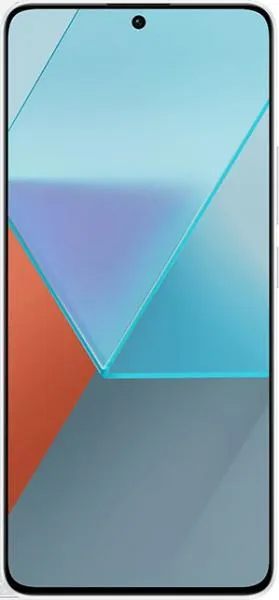
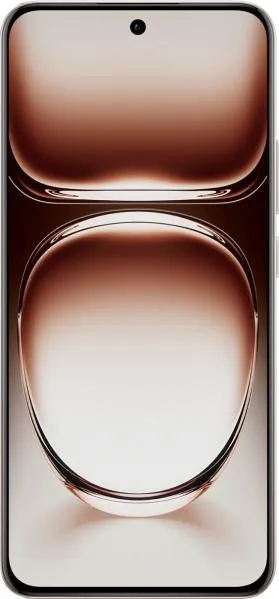
| Feature | Xiaomi Redmi Note 13 Pro | Oppo Reno12 | Practical Impact |
|---|---|---|---|
| Design | |||
| Dimensions | 161.2 x 74.2 x 8 mm | 161.4 x 74.1 x 7.6 mm | Virtually identical in size and feel. |
| Weight | 187g | 177g | The Oppo is noticeably lighter, improving one-handed use. |
| Display | |||
| Size | 6.67" | 6.7" | Negligible size difference. |
| Type | AMOLED, 120Hz | AMOLED, 120Hz | Both offer smooth scrolling and vibrant colors. |
| Resolution | 1220 x 2712 | 1080 x 2412 | Sharper details and text on the Redmi Note 13 Pro due to higher pixel density (446 ppi vs 394 ppi). |
| Peak Brightness | 1800 nits | 1200 nits | Redmi Note 13 Pro offers significantly better outdoor visibility. |
| Color Depth | 68B colors | 1B colors | The Redmi Note 13 Pro can display a wider range of colors, resulting in more nuanced and accurate visuals, especially noticeable in HDR content. |
| Performance | |||
| Chipset | Snapdragon 7s Gen 2 (4nm) | Dimensity 7300 Energy (4nm) | Both are mid-range chipsets with comparable performance; slight differences may exist in specific tasks, further benchmarks needed for definitive comparison. |
| CPU | Octa-core (4x2.4 GHz Cortex-A78 & 4x1.95 GHz Cortex-A55) | Octa-core (4x2.5 GHz Cortex-A78 & 4x2.0 GHz Cortex-A55) | The Dimensity 7300 has slightly higher clock speeds on its performance cores potentially offering a slight edge in demanding tasks, but real-world difference may be minimal. |
| GPU | Adreno 710 | Mali-G615 MC2 | GPU performance comparison requires further benchmarks, however, both are capable of handling most mobile games at decent settings. |
| RAM/Storage | Multiple Options | 512GB/12GB | Redmi offers more flexibility with RAM and storage options. |
| Camera | |||
| Video Capabilities | 4K@30fps (EIS) | 4K@30fps (HDR, OIS, EIS) | Oppo Reno12 benefits from Optical Image Stabilization (OIS) for smoother video recording, along with HDR video recording. |
| Specific sensor details | Missing | Missing | Cannot compare image quality and camera features without detailed sensor information. |
| Battery | |||
| Capacity | 5100 mAh | 5000 mAh | Negligible difference in battery capacity; real-world battery life depends on optimization and usage patterns. |
| Software | |||
| OS | Android 13 | Android 14 | Oppo Reno12 ships with a newer Android version offering potential features and security updates for a longer period. |
2. Key Differences Analysis
Xiaomi Redmi Note 13 Pro Advantages:
- Sharper Display: Higher resolution results in a more detailed and crisp viewing experience.
- Brighter Display: Superior peak brightness ensures better visibility in direct sunlight.
- Wider Color Gamut: More vibrant and accurate color representation.
- Storage Flexibility: Offers multiple RAM and storage configurations to suit different needs and budgets.
Oppo Reno12 Advantages:
- Lighter Weight: More comfortable for extended use and one-handed operation.
- OIS for Video: Stabilized video recording for smoother footage.
- HDR Video Recording: Enhanced dynamic range in videos.
- Newer Android Version: Longer software support and potentially newer features.
3. User Profiles & Recommendations
Xiaomi Redmi Note 13 Pro: Ideal for users who prioritize a sharp, bright display for media consumption and prefer having multiple storage options.
Oppo Reno12: Suited for users who value a lightweight and comfortable phone, prioritize stable and high-quality video recording, and desire the latest Android features.
4. Decision Framework
Key Questions for Buyers:
- Is display quality a top priority? The Redmi Note 13 Pro excels in this area.
- How important is video recording quality? The Oppo Reno12 offers OIS and HDR for better videos.
- Do you need the latest software features and longer updates? The Oppo Reno12 ships with Android 14.
My Choice: Xiaomi Redmi Note 13 Pro
While the Oppo Reno12 offers advantages in video stabilization, weight, and software, the Redmi Note 13 Pro's superior display is the deciding factor for me. The significantly higher resolution and peak brightness would noticeably enhance my daily usage, especially for media consumption and outdoor use. I frequently use my phone for reading, browsing, and watching videos, making the display quality paramount. While the slightly heavier weight is a trade-off, the benefits of the Redmi Note 13 Pro's display outweigh the Oppo's advantages in my personal use case. I also value the flexibility of storage options offered by the Redmi Note 13 Pro.
