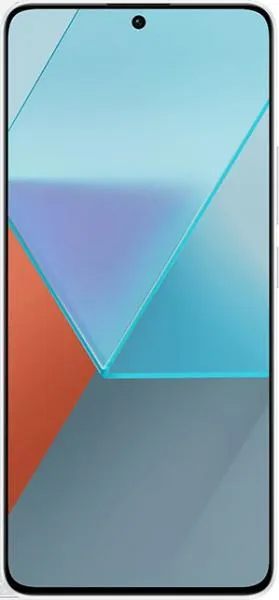
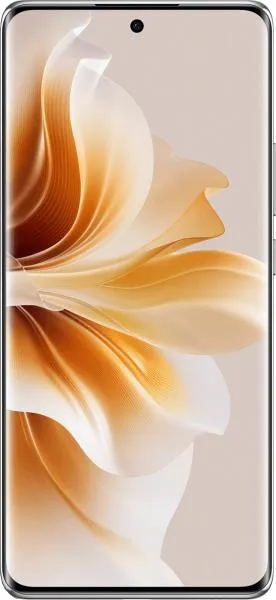
1. Specifications Comparison
| Feature | Xiaomi Redmi Note 13 Pro | Oppo Reno11 | Practical Impact |
|---|---|---|---|
| Design | |||
| Dimensions | 161.2 x 74.2 x 8 mm | 162.4 x 74.3 x 7.9 mm | Virtually identical in size and feel. |
| Weight | 187g | 182g | Negligible weight difference in hand. |
| Display | |||
| Size | 6.67" | 6.7" | Negligible size difference. |
| Type | AMOLED, 120Hz | AMOLED, 120Hz | Both offer smooth scrolling and vibrant colors. |
| Resolution | 1220 x 2712 | 1080 x 2412 | Redmi Note 13 Pro has a sharper display due to higher pixel density (446 ppi vs 394 ppi), resulting in crisper text and images. |
| Peak Brightness | 1800 nits | 950 nits | Redmi Note 13 Pro offers significantly better outdoor visibility in direct sunlight. |
| Color Depth | 68B | 1B | Redmi Note 13 Pro should offer smoother color gradients, but this might be imperceptible to most users. |
| Performance | |||
| Chipset | Snapdragon 7s Gen 2 (4nm) | Dimensity 7050 (6nm) | Both are mid-range chipsets. Performance differences will likely be minor for everyday tasks. More demanding games might reveal the Snapdragon's slight edge due to the more efficient 4nm process. |
| CPU | Octa-core (4x2.4 GHz A78 & 4x1.95 GHz A55) | Octa-core (2x2.6 GHz A78 & 6x2.0 GHz A55) | Similar CPU configurations. Slight differences in clock speeds may not translate into noticeable real-world performance differences. |
| GPU | Adreno 710 | Mali-G68 MC4 | Both GPUs are capable of handling most mobile games, but the Adreno 710 generally offers better performance and compatibility. |
| RAM/Storage | Multiple options up to 12GB/512GB | 12GB/256GB | Redmi offers more storage options for users needing ample space. |
| Battery | |||
| Capacity | 5100 mAh | 5000 mAh | Negligible difference in battery life. Real-world usage and software optimization will play a larger role. |
| Camera | |||
| Video Capabilities | 4K@30fps, 1080p@120fps | 4K@30fps, 1080p@480fps, 720p@960fps | Oppo offers higher slow-motion video recording capabilities. Specific sensor details (not provided) will determine overall image quality. |
| Software | |||
| OS | Android 13 | Android 14 | Oppo Reno11 ships with a newer Android version, potentially offering more features and longer software support. |
2. Key Differences Analysis
Redmi Note 13 Pro Advantages:
- Sharper Display: Higher resolution and PPI for a crisper viewing experience.
- Brighter Display: Significantly brighter for better outdoor visibility.
- More Storage Options: Caters to users with high storage demands.
- Potentially Slightly Better Gaming Performance: Due to the Adreno GPU.
Oppo Reno11 Advantages:
- Newer Android Version: Potentially longer software support and newer features.
- Higher Slow-Motion Video Recording: More creative options for video recording.
3. User Profiles & Recommendations
Redmi Note 13 Pro: Users who prioritize a sharp, bright display, need ample storage, and enjoy occasional mobile gaming.
Oppo Reno11: Users who value the latest software, enjoy experimenting with slow-motion video, and prioritize having the newest Android features.
4. Decision Framework
Key Questions:
- How important is display quality? A brighter, sharper display benefits outdoor use and media consumption.
- Do you need extensive storage? Consider the Redmi if you need more than 256GB.
- How important is software updates? Oppo offers a newer Android version.
Scenario-Based Recommendations:
- Outdoor Enthusiast: Redmi Note 13 Pro for its brighter display.
- Mobile Gamer: Redmi Note 13 Pro for potentially better performance.
- Software Update Focused: Oppo Reno11 for the latest Android.
My Choice: Xiaomi Redmi Note 13 Pro
Reasoning: The Redmi Note 13 Pro's significantly brighter and sharper display is a major advantage for me, as I frequently use my phone outdoors. While the Oppo Reno11 offers newer software, the display quality difference outweighs that for my personal use case. The potential for slightly better gaming performance and greater storage options further solidify my choice. The slightly older Android version on the Redmi is less of a concern considering Xiaomi's generally good track record with updates in the Redmi Note series. Ultimately, the superior visual experience of the Redmi Note 13 Pro makes it the more compelling device for me.
