1. Specifications Comparison
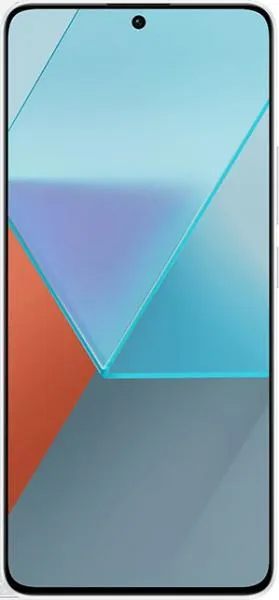
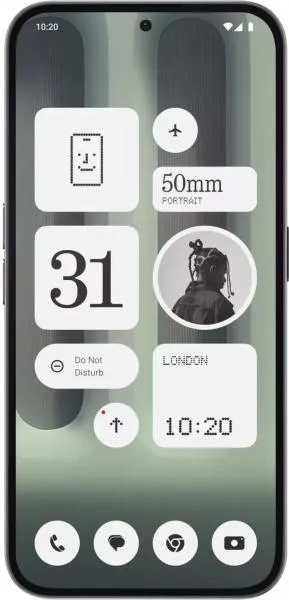
| Feature | Xiaomi Redmi Note 13 Pro | Nothing Phone (2a) Plus | Practical Impact |
|---|---|---|---|
| Design | |||
| Dimensions (mm) | 161.2 x 74.2 x 8 | 161.7 x 76.3 x 8.5 | The Nothing Phone (2a) Plus is slightly larger and thicker. |
| Weight (g) | 187 | 190 | Negligible weight difference in practical use. |
| Build Materials | Not specified | Not specified | Cannot compare build quality and durability. |
| Display | |||
| Size (inches) | 6.67 | 6.7 | Virtually identical screen sizes. |
| Type | AMOLED, 68B colors, 120Hz, Dolby Vision | AMOLED, 1B colors, 120Hz, HDR10+ | Both offer smooth, high refresh rate AMOLED displays. The Redmi Note 13 Pro boasts a wider color gamut (68B vs 1B), potentially resulting in more vibrant and accurate colors. Both support HDR, though with different standards. |
| Resolution | 1220 x 2712 | 1080 x 2412 | The Redmi Note 13 Pro has a significantly sharper display due to the higher resolution. This translates to clearer text and images. |
| Peak Brightness (nits) | 1800 | 1300 | The Redmi Note 13 Pro can get significantly brighter, making it more readable in direct sunlight. |
| Performance | |||
| Chipset | Snapdragon 7s Gen 2 (4nm) | MediaTek Dimensity 7350 Pro (4nm) | Both are mid-range chipsets built on a 4nm process, suggesting comparable power efficiency. Performance differences would need benchmarking. |
| CPU | Octa-core (4x2.4 GHz Cortex-A78 & 4x1.95 GHz Cortex-A55) | Octa-core (2x3.0 GHz Cortex-A715 & 6x 2.0 GHz Cortex-A510) | Different CPU architectures make direct comparison difficult without benchmarks. The Dimensity 7350 Pro has faster clock speeds on its performance cores. |
| GPU | Adreno 710 | Mali-G610 MC4 | Different GPUs make direct performance comparison difficult. Real-world gaming performance would need further testing. |
| RAM/Storage | 8/12GB RAM, various storage options | 12GB RAM, 256GB Storage | Redmi offers more RAM/Storage configurations, providing flexibility for different user needs and budgets. |
| Battery | |||
| Capacity (mAh) | 5100 | 5000 | Negligible difference in battery capacity. Real-world battery life depends on various factors including software optimization and usage patterns. |
| Camera | |||
| Specifications | Not provided for either phone. | Not provided for either phone. | Camera performance cannot be compared. |
2. Key Differences Analysis
Xiaomi Redmi Note 13 Pro Advantages:
- Sharper Display: Significantly higher resolution leads to a noticeably clearer and more detailed visual experience.
- Brighter Display: Higher peak brightness ensures better outdoor visibility.
- More Storage Options: Offers configurations with different RAM and storage capacities to suit various needs and budgets.
- Potentially more vibrant colors: Wider color gamut (68B) suggests richer visuals.
Nothing Phone (2a) Plus Advantages:
- More Recent OS: Ships with Android 14 out of the box, offering newer features and potentially longer software support.
- Potentially faster CPU: Higher clock speeds on performance cores of the Dimensity 7350 Pro may translate to better performance in demanding tasks, although real-world performance needs benchmarking.
3. User Profiles & Recommendations
Xiaomi Redmi Note 13 Pro: Users who prioritize display quality (sharpness, brightness, color accuracy), need flexible storage options, and are on a tighter budget. Ideal for media consumption, content creation involving photos/videos, and general use.
Nothing Phone (2a) Plus: Users who prefer the latest software, prioritize having the newest OS features, and value a potentially faster processor for demanding tasks. Suitable for users who want a modern, up-to-date phone and are less sensitive to price differences.
4. Decision Framework
Key Questions for Buyers:
- How important is display quality? If sharpness and brightness are paramount, the Redmi Note 13 Pro is the clear winner.
- What is your budget? The Redmi Note 13 Pro likely offers better value due to its competitive features and more storage options.
- How important is having the latest software? If having the newest OS and features is a priority, the Nothing Phone (2a) Plus with Android 14 is preferable.
My Choice: Xiaomi Redmi Note 13 Pro
Reasoning: The significantly sharper and brighter display of the Redmi Note 13 Pro is a major deciding factor for me. I prioritize screen quality for media consumption and everyday use. While the Nothing Phone (2a) Plus offers newer software, the display advantages and flexible storage options of the Redmi Note 13 Pro outweigh that benefit for my personal needs. The potential performance difference between the chipsets isn't clear without benchmarks and wouldn't be a significant factor for my typical usage. Finally, the Redmi Note 13 Pro likely offers better value for its price, considering its superior display.
