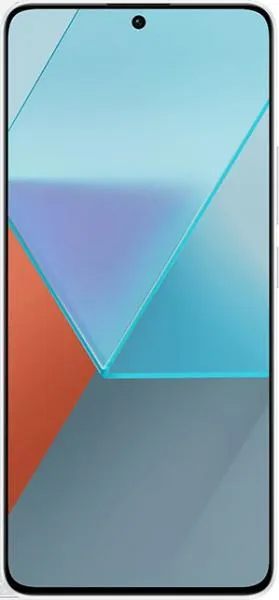
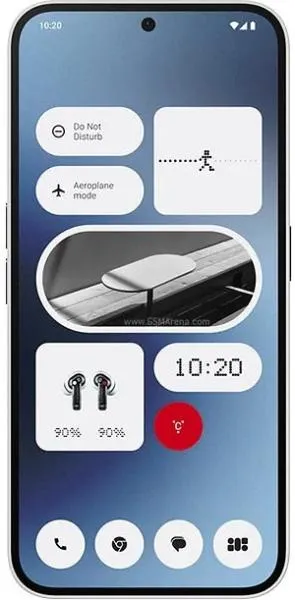
1. Specifications Comparison
| Feature | Xiaomi Redmi Note 13 Pro | Nothing Phone (2a) | Practical Impact |
|---|---|---|---|
| Design | |||
| Dimensions | 161.2 x 74.2 x 8 mm | 161.7 x 76.3 x 8.6 mm | The Nothing Phone (2a) is slightly larger and thicker. |
| Weight | 187g | 190g | Negligible weight difference in practical use. |
| Build Materials | Not specified | Not specified | Cannot compare build quality and durability without more information. |
| Display | |||
| Size | 6.67" | 6.7" | Virtually identical screen sizes. |
| Type | AMOLED, 68B colors, 120Hz, Dolby Vision | AMOLED, 1B colors, 120Hz, HDR10+ | Both offer smooth scrolling with 120Hz. Redmi Note 13 Pro boasts a wider color gamut (68B vs 1B), potentially resulting in more vibrant and accurate colors. Both support HDR, but with different standards. |
| Resolution | 1220 x 2712 | 1080 x 2412 | Redmi Note 13 Pro has a significantly sharper display (446 ppi vs 394 ppi), leading to crisper text and images. |
| Peak Brightness | 1800 nits | 1300 nits | Redmi Note 13 Pro should offer better visibility in direct sunlight. |
| Performance | |||
| Chipset | Snapdragon 7s Gen 2 (4 nm) | Dimensity 7200 Pro (4 nm) | Both are mid-range chipsets, but benchmarks would be needed to determine real-world performance differences. |
| CPU | Octa-core (4x2.4 GHz Cortex-A78 & 4x1.95 GHz Cortex-A55) | Octa-core (2x2.8 GHz Cortex-A715 & 6x 2.0 Cortex-A510) | Different core configurations; performance comparisons require benchmarking. |
| GPU | Adreno 710 | Mali-G610 MC4 | Different GPUs; gaming performance comparisons require benchmarking. |
| RAM/Storage | 256GB/8GB, 256GB/12GB, 512GB/12GB | 256GB/12GB | Redmi offers more storage configurations, catering to different needs and budgets. |
| Battery | |||
| Capacity | 5100 mAh | 5000 mAh | Negligible difference in battery capacity. Real-world battery life depends on usage and optimization. |
| Charging Speed | Not specified | Not specified | Cannot compare charging speeds without more information. |
| Camera | |||
| Specifications | Not specified for either phone | Not specified for either phone | Image quality comparisons cannot be made without sensor details, aperture, and other camera specs. |
| Video | 4K@30fps, 1080p at various fps with EIS | 4K@30fps, 1080p at various fps with EIS | Both offer similar video recording capabilities on paper. Actual video quality would need to be compared. |
2. Key Differences Analysis
Xiaomi Redmi Note 13 Pro Advantages:
- Sharper Display: Significantly higher pixel density (446 ppi) results in a noticeably crisper display.
- Brighter Display: Higher peak brightness ensures better outdoor visibility.
- More Storage Options: Offers configurations with different RAM and storage capacities, providing more flexibility.
- Potentially More Vibrant Display: 68B color capability suggests a wider color range than the Nothing Phone (2a).
Nothing Phone (2a) Advantages:
- More Recent OS: Ships with Android 14, offering potential advantages in features and security updates compared to Android 13.
- Potentially More Powerful CPU: Higher clock speed on performance cores suggests better multi-core performance, but this needs benchmarking confirmation.
Trade-offs:
- Redmi Note 13 Pro: Potentially less powerful CPU compared to the Nothing Phone (2a).
- Nothing Phone (2a): Lower resolution display, less bright screen, fewer storage options.
3. User Profiles & Recommendations
Xiaomi Redmi Note 13 Pro: Ideal for users who prioritize display quality, need ample storage, and consume a lot of media. Excellent for watching videos, browsing photos, and reading.
Nothing Phone (2a): Potentially better for users who prioritize performance for gaming or multitasking and value a more up-to-date operating system.
4. Decision Framework
Key Questions for Buyers:
- Is display quality a top priority? If yes, the Redmi Note 13 Pro's sharper and brighter screen is a significant advantage.
- How much storage do you need? If you require more than 256GB, the Redmi Note 13 Pro offers a 512GB option.
- Is having the latest Android version crucial? If yes, the Nothing Phone (2a)'s Android 14 might be preferable.
My Choice: Xiaomi Redmi Note 13 Pro
While the Nothing Phone (2a) offers a newer OS and potentially stronger CPU performance, the Redmi Note 13 Pro's superior display is the deciding factor for me. I prioritize screen quality for media consumption and everyday use. The significantly sharper resolution and higher brightness would provide a noticeably better visual experience. The availability of more storage options also adds to the Redmi Note 13 Pro's appeal. While benchmark comparisons are needed to definitively assess performance differences, the display advantages of the Redmi Note 13 Pro outweigh the potential performance benefits of the Nothing Phone (2a), based on my personal priorities.
