1. Specifications Comparison
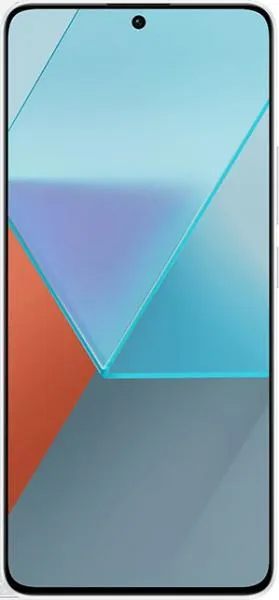
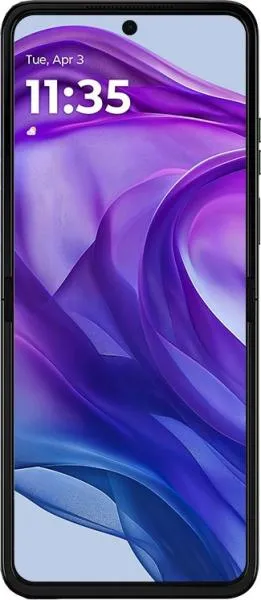
| Feature | Xiaomi Redmi Note 13 Pro | Motorola Razr 50 Ultra | Practical Impact |
|---|---|---|---|
| Design | |||
| Dimensions | 161.2 x 74.2 x 8 mm | 171.4 x 74 x 7.1mm (folded) | Razr 50 Ultra significantly more compact when folded, easier for pocket carry; Redmi taller and thinner when unfolded. |
| Weight | 187g | 189g | Negligible weight difference. |
| Foldable | No | Yes | Razr's foldable design offers unique portability and a larger cover screen for quick interactions. |
| Display | |||
| Size | 6.67" | 6.9" (main), ~3.6" (cover) | Razr offers a larger main display for immersive content but Redmi's is more manageable one-handed. Razr's cover screen allows for basic tasks without unfolding. |
| Type | AMOLED, 120Hz | Foldable LTPO AMOLED, 165Hz | Both offer vibrant colors and smooth scrolling. Razr's higher refresh rate may provide slightly smoother animations but consumes more battery. LTPO allows for dynamic refresh rate adjustment, saving power. |
| Resolution | 1220 x 2712 | 1080 x 2640 | Redmi has a slightly sharper display due to higher pixel density. |
| Peak Brightness | 1800 nits | 3000 nits | Razr's significantly higher peak brightness ensures better visibility in direct sunlight. |
| Performance | |||
| Chipset | Snapdragon 7s Gen 2 | Snapdragon 8+ Gen 1 | Razr boasts a flagship-level processor, offering significantly faster performance for demanding tasks and gaming. |
| CPU | Octa-core (4x2.4 GHz A78 & 4x1.95 GHz A55) | Octa-core (1x3.0 GHz X4 & 4x2.8 GHz A720 & 3x2.0 GHz A520) | Razr's CPU architecture is more powerful and efficient. |
| GPU | Adreno 710 | Adreno 735 | Razr offers superior graphics performance for gaming and visually intensive applications. |
| RAM/Storage | 8/12GB RAM, Various Storage | 12GB RAM, 256GB Storage | Razr offers more RAM, beneficial for multitasking, but less storage configuration flexibility. |
| Battery | |||
| Capacity | 5100 mAh | 3800 mAh | Redmi provides significantly longer battery life. |
| Other | |||
| OS | Android 13 | Android 14 | Razr comes with a newer Android version out of the box, potentially offering newer features and longer software support. |
| NFC | Yes | Yes | Both support contactless payments. |
2. Key Differences Analysis
Redmi Note 13 Pro Advantages:
- Longer Battery Life: Significantly larger battery capacity.
- Sharper Display: Higher pixel density.
- More Affordable: Typically priced lower than the Razr.
- More Storage Options: Offers various storage configurations.
Motorola Razr 50 Ultra Advantages:
- Foldable Design: Unique form factor, enhanced portability.
- Flagship Performance: Significantly faster processor and GPU.
- Brighter Display: Much higher peak brightness for outdoor visibility.
- Larger Cover Screen: More functionality without unfolding.
- Newer Android Version: Potentially longer software support.
3. User Profiles & Recommendations
Redmi Note 13 Pro: Ideal for users prioritizing battery life, affordability, and a large, sharp display. Suitable for everyday tasks, media consumption, and casual gaming.
Motorola Razr 50 Ultra: Ideal for users who value portability, cutting-edge technology, and a unique form factor. Suitable for users who prioritize performance and are willing to compromise on battery life for a foldable design and a larger cover screen that enhances productivity.
4. Decision Framework
Key Questions:
- Is a foldable design a priority? If yes, the Razr is the only option.
- What is your budget? The Redmi is likely more affordable.
- Which is more important: battery life or performance? Redmi excels in battery life; Razr in performance.
Scenario-Based Recommendations:
- Limited Budget, Heavy User: Redmi Note 13 Pro
- Prioritize Style and Latest Tech: Motorola Razr 50 Ultra
- Need Maximum Battery Life: Redmi Note 13 Pro
- Demand High Performance for Gaming/Multitasking: Motorola Razr 50 Ultra
My Choice: Xiaomi Redmi Note 13 Pro
While the Razr 50 Ultra offers a compelling foldable design and flagship performance, the Redmi Note 13 Pro better suits my needs. I prioritize battery life and a large, sharp display for media consumption. The Redmi's significantly larger battery capacity and slightly sharper screen outweigh the Razr's advantages for my usage. I am also sensitive to price differences and the Redmi offers better value in that regard. While the foldable design is innovative, it's not essential for me, and I am not willing to sacrifice battery life for it. The performance difference, while notable, is not critical for my typical usage. I am content with a good performing mid-range phone that excels at daily tasks and offers great battery endurance.
