1. Specifications Comparison
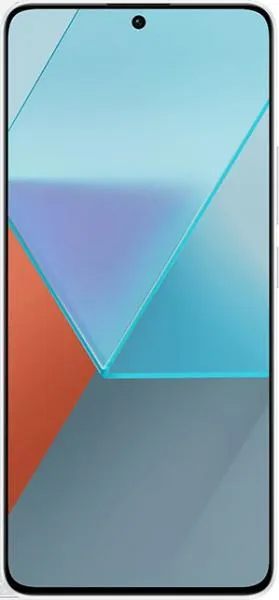
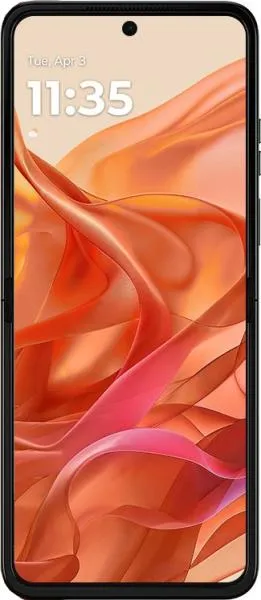
| Feature | Xiaomi Redmi Note 13 Pro | Motorola Razr 50 | Practical Impact |
|---|---|---|---|
| Design | |||
| Dimensions | 161.2 x 74.2 x 8 mm | 171.3 x 74 x 7.3 mm (Folded) | Razr 50 is significantly more compact when folded, enhancing portability but taller when unfolded. |
| Weight | 187 g | 188.4 g | Negligible weight difference. |
| Foldable | No | Yes | Razr 50's foldable design offers unique portability and a smaller footprint when closed. |
| Build | Not specified | Not specified | Build quality impacts durability and premium feel. Lack of information limits comparison. |
| Display | |||
| Size | 6.67" | 6.9" | Razr 50 offers a slightly larger screen when unfolded. |
| Type | AMOLED, 120Hz | Foldable LTPO AMOLED, 120Hz | Both offer smooth scrolling and vibrant colors. Razr 50's LTPO panel potentially allows for more granular refresh rate control, improving battery life. Foldable display introduces a crease. |
| Resolution | 1220 x 2712 | 1080 x 2640 | Redmi Note 13 Pro has a sharper display (446 ppi vs 413 ppi). |
| Peak Brightness | 1800 nits | 3000 nits | Razr 50 should offer significantly better outdoor visibility. |
| Performance | |||
| Chipset | Snapdragon 7s Gen 2 (4nm) | Dimensity 7300X (4nm) | Both are mid-range chipsets with comparable performance. Specific benchmarks needed for detailed comparison. |
| CPU | Octa-core (4x2.4 GHz A78 & 4x1.95 GHz A55) | Octa-core (4x2.5 GHz A78 & 4x2.0 GHz A55) | Razr 50 has slightly faster CPU clock speeds, potentially resulting in slightly improved performance in demanding tasks. |
| GPU | Adreno 710 | Mali-G615 MC2 | GPU performance comparison requires benchmarks. Different architectures make direct comparison challenging. |
| RAM/Storage | Multiple options up to 12GB/512GB | 12GB/512GB | Redmi Note 13 Pro offers more storage configurations, catering to different budget and storage needs. |
| Battery | |||
| Capacity | 5100 mAh | 4200 mAh | Redmi Note 13 Pro has a significantly larger battery, likely resulting in longer battery life. |
| Camera | |||
| Specifications | Missing | Missing | Camera quality comparison impossible without detailed specifications. |
| Other | |||
| OS | Android 13 | Android 14 | Razr 50 ships with a newer Android version, offering potential feature and security advantages. |
| NFC | Yes | Yes | Both support contactless payments and data transfer. |
2. Key Differences Analysis
Xiaomi Redmi Note 13 Pro Advantages:
- Larger Battery: Significantly larger battery capacity likely translates to longer usage time.
- Sharper Display: Higher pixel density results in crisper visuals.
- More Affordable: Typically priced lower given the "medium price" range and older release date. More storage configurations cater to various budgets.
Motorola Razr 50 Advantages:
- Foldable Design: Offers unique portability and a more compact form factor when folded.
- Brighter Display: Significantly brighter display ensures better visibility in sunlight.
- Newer OS: Ships with Android 14, potentially offering newer features and longer software support.
- Slightly Faster CPU: Minor performance advantage in demanding tasks.
3. User Profiles & Recommendations
Xiaomi Redmi Note 13 Pro: Ideal for users prioritizing battery life, a sharp display, and affordability. Excellent for media consumption, gaming, and everyday tasks.
Motorola Razr 50: Ideal for users valuing portability and a unique form factor above all else. Suitable for those who prioritize a compact device and are willing to compromise on battery life for the foldable design.
4. Decision Framework
Key Questions:
- How important is portability? If pocketability is paramount, the Razr 50's foldable design is a significant advantage.
- What is your budget? The Redmi Note 13 Pro likely offers better value in terms of performance and features for the price.
- How important is battery life? The Redmi Note 13 Pro's larger battery likely provides significantly longer usage time.
My Choice: Xiaomi Redmi Note 13 Pro
While the Motorola Razr 50's foldable design is intriguing, the Xiaomi Redmi Note 13 Pro better suits my needs. I prioritize battery life and a sharp display, both of which the Redmi Note 13 Pro excels at. The potential price difference further solidifies my choice. The slightly faster CPU of the Razr 50 doesn't outweigh the Redmi's advantages in battery life, sharper display, and potential cost savings. While I appreciate innovation, the practicality and value proposition of the Redmi Note 13 Pro make it the more compelling option for me. A foldable screen, while cool, isn't essential to my workflow. I prefer a larger battery and sharper display for daily use.
