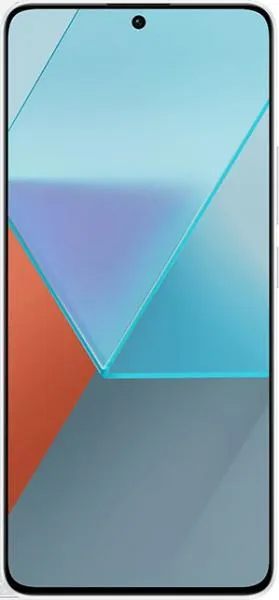
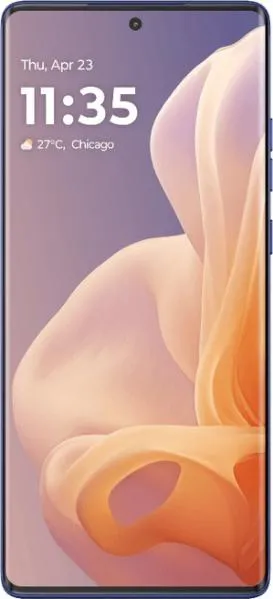
1. Specifications Comparison
| Feature | Xiaomi Redmi Note 13 Pro | Motorola Moto G85 | Practical Impact |
|---|---|---|---|
| Design | |||
| Dimensions (mm) | 161.2 x 74.2 x 8 | 161.9 x 73.1 x 7.6 | Virtually identical in hand feel. |
| Weight (g) | 187 | 171 | Moto G85 is noticeably lighter, reducing hand fatigue. |
| Build Materials | Not specified | Not specified | Cannot compare build quality and durability. |
| Display | |||
| Display Type | AMOLED, 68B colors | P-OLED, 1B colors | Redmi's AMOLED offers potentially richer colors and deeper blacks. |
| Size (inches) | 6.67 | 6.67 | Same screen size. |
| Resolution | 1220 x 2712 | 1080 x 2400 | Redmi offers significantly sharper visuals due to higher resolution. |
| Refresh Rate (Hz) | 120 | 120 | Both offer smooth scrolling and animations. |
| Peak Brightness (nits) | 1800 | 1600 | Redmi should be more readable in direct sunlight. |
| Performance | |||
| Chipset | Snapdragon 7s Gen 2 (4nm) | Snapdragon 6s Gen 3 (6nm) | Redmi's 7s Gen 2 provides notably better performance in demanding tasks and gaming. |
| CPU | Octa-core (4x2.4 GHz A78 & 4x1.95 GHz A55) | Octa-core (2x2.3 GHz A78 & 6x2.0 GHz A55) | Redmi's CPU configuration suggests superior multi-core performance. |
| GPU | Adreno 710 | Adreno 619 | Redmi's GPU offers significantly better graphics performance for gaming. |
| RAM/Storage | 256GB/8GB, 256GB/12GB, 512GB/12GB | 256GB/12GB | Redmi offers more storage configuration flexibility; both offer ample RAM for multitasking. |
| Camera | |||
| Rear Camera | Not specified | Not specified | Camera performance cannot be compared without details about sensor size, aperture, and features. |
| Video Recording | Up to 4K@30fps with EIS | Up to 1080p@60fps | Redmi offers higher resolution video recording and potentially better stabilization. |
| Battery | |||
| Capacity (mAh) | 5100 | 5000 | Negligible difference in battery capacity. Real-world battery life depends on optimization and usage. |
2. Key Differences Analysis
Redmi Note 13 Pro Advantages:
- Superior Display: Sharper resolution, potentially better color reproduction, and higher peak brightness. This translates to a more enjoyable viewing experience for media consumption and better outdoor visibility.
- Significantly Better Performance: The 7s Gen 2 chipset and Adreno 710 GPU provide a noticeable performance advantage for demanding tasks, gaming, and multitasking.
- More Storage Options: Offers configurations with different RAM and storage capacities, catering to various user needs and budgets.
- Higher Resolution Video Recording: Allows for capturing more detailed videos.
Moto G85 Advantages:
- Lighter Weight: More comfortable for extended use and one-handed operation.
- Newer Android Version: Ships with Android 14, potentially offering newer features and longer software support. However, the Redmi will likely receive an update to Android 14 (or later).
3. User Profiles & Recommendations
Redmi Note 13 Pro: Ideal for users who prioritize performance, a vibrant display, and capturing high-quality videos. Suitable for mobile gaming, media consumption, and multitasking.
Moto G85: Suitable for users who prioritize a lightweight phone with a long-lasting battery and the latest Android features. Best for everyday tasks, social media, and casual use. Value-conscious buyers might prefer this if priced lower than the Redmi.
4. Decision Framework
Key Questions for Buyers:
- What is your budget? The Redmi might be slightly more expensive given its superior specs.
- What are your primary use cases? Gamers and heavy multimedia users will appreciate the Redmi's performance and display.
- How important is phone weight and software updates? The Moto G85's lighter weight and newer Android version might be preferable for some.
My Choice: Xiaomi Redmi Note 13 Pro
While the Moto G85 offers a lighter build and the latest Android version, the Xiaomi Redmi Note 13 Pro's significantly superior performance, sharper display, and more versatile camera capabilities make it the more compelling choice for me. The performance difference between the Snapdragon 7s Gen 2 and the 6s Gen 3 is substantial, and I value a smooth and responsive user experience. The higher resolution display on the Redmi also significantly enhances media consumption. The slightly heavier weight is a minor trade-off for these substantial benefits. Finally, while the Moto G85 ships with Android 14, Xiaomi has a good track record of providing software updates, so I anticipate the Redmi Note 13 Pro will also receive an update to Android 14.
