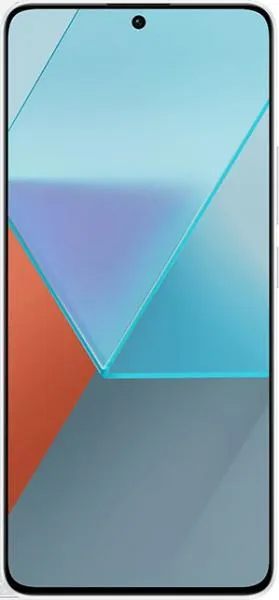
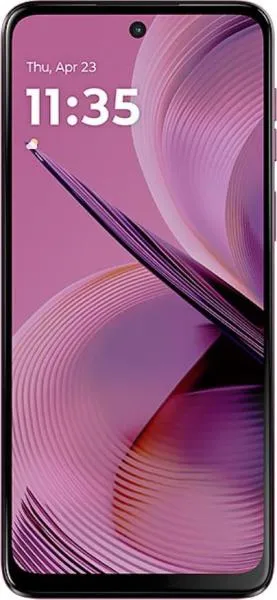
1. Specifications Comparison
| Feature | Xiaomi Redmi Note 13 Pro | Motorola Moto G55 | Practical Impact |
|---|---|---|---|
| Design | |||
| Dimensions | 161.2 x 74.2 x 8 mm | 161.6 x 73.8 x 8.1 mm | Virtually identical in size and feel. |
| Weight | 187g | 179g | Moto G55 is slightly lighter, but the difference is negligible. |
| Fingerprint Sensor | Under-display | Side-mounted | Preference-based; under-display feels more modern, side-mounted can be faster and more reliable. |
| Display | |||
| Display Type | AMOLED, 120Hz | IPS LCD, 120Hz | Redmi's AMOLED offers significantly better contrast, deeper blacks, and potentially brighter highlights. More vibrant and power-efficient. |
| Size | 6.67" | 6.49" | Redmi offers a slightly larger viewing area. |
| Resolution | 1220 x 2712 (446 ppi) | 1080 x 2400 (405 ppi) | Redmi's sharper display offers more detail in text and images. |
| Peak Brightness | 1800 nits | Not specified | Redmi's significantly higher peak brightness ensures excellent outdoor visibility. The lack of data for the Moto G55 makes a direct comparison impossible. |
| Performance | |||
| Chipset | Snapdragon 7s Gen 2 (4nm) | MediaTek Dimensity 7025 (6nm) | Snapdragon generally offers better GPU performance and efficiency. Performance differences may be noticeable in demanding games. |
| CPU | Octa-core (4x2.4 GHz A78 & 4x1.95 GHz A55) | Octa-core (2x2.5 GHz A78 & 6x2.0 GHz A55) | While the Moto G55 has a slightly higher clock speed on its performance cores, the Snapdragon's architecture and overall configuration likely result in smoother performance. |
| RAM/Storage | Multiple Options (up to 12GB/512GB) | 8GB/256GB | Redmi offers more RAM and storage options for power users and those needing more space. |
| Camera | |||
| Video Capabilities | 4K@30fps, 1080p@120fps | 1080p@60fps | Redmi allows for higher resolution and slow-motion video recording. Lack of detailed camera specs limits comprehensive comparison. |
| Battery | |||
| Capacity | 5100 mAh | 5000 mAh | Negligible difference in battery capacity. Real-world battery life will depend on usage and optimization. |
| Software | |||
| OS | Android 13 | Android 14 | Moto G55 ships with a newer Android version out-of-the-box. However, Redmi is likely to receive updates to newer versions. |
2. Key Differences Analysis
Redmi Note 13 Pro Advantages:
- Superior Display: AMOLED with higher resolution, brightness, and vibrant colors. Noticeably better visual experience.
- Potentially Better Performance: Snapdragon chipset generally offers better gaming and overall performance.
- More Versatile Camera: Higher resolution video recording capabilities.
- More RAM and Storage Options: Caters to a wider range of user needs.
Moto G55 Advantages:
- Newer Android Version: Ships with Android 14, potentially offering newer features and longer software support timeframe.
- Slightly Lighter: Marginally lighter, but unlikely to be a significant factor in daily use.
Trade-offs:
- Moto G55: Compromises on display quality and potentially performance for a newer Android version and slightly lower weight.
- Redmi Note 13 Pro: May require waiting for Android 14 update.
3. User Profiles & Recommendations
Redmi Note 13 Pro: Users who prioritize display quality, performance, and camera features. Ideal for multimedia consumption, gaming, and content creation.
Moto G55: Users who prioritize having the latest Android version and a slightly lighter phone. Suitable for general everyday use, social media, and light gaming. Price sensitive buyers prioritizing value.
4. Decision Framework
Key Questions:
- How important is display quality? A vibrant and sharp display significantly enhances media consumption and overall user experience.
- What is your budget and storage requirement? The Redmi offers various configurations to cater to different budgets and storage needs.
- Do you prioritize the latest Android version or performance/features? While Android 14 offers potential advantages, the Redmi might offer better long-term performance.
My Choice: Xiaomi Redmi Note 13 Pro
Reasoning: The superior AMOLED display, potentially better performance from the Snapdragon chipset, and more versatile camera significantly outweigh the Moto G55's advantage of having Android 14 out-of-the-box. I value the improved visual experience and potential performance gains for gaming and demanding tasks. While software updates are important, the Redmi's hardware advantages are more compelling in the long run. Additionally, the wider RAM/Storage options allow me to choose a configuration that fits my needs.
