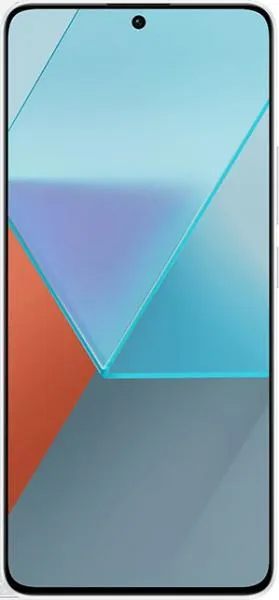
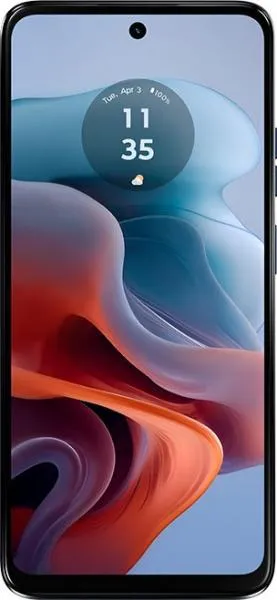
1. Specifications Comparison
| Feature | Xiaomi Redmi Note 13 Pro | Motorola Moto G34 | Practical Impact |
|---|---|---|---|
| Design | |||
| Dimensions | 161.2 x 74.2 x 8 mm | 162.7 x 74.6 x 8 mm | Virtually identical in size and thickness. |
| Weight | 187g | 179g | Redmi is slightly heavier, likely due to a larger battery. Difference is negligible in practical use. |
| Build Materials | Not specified | Not specified | Cannot compare build quality and durability without more information. |
| Display | |||
| Display Type | AMOLED, 68B colors, 120Hz, Dolby Vision | IPS LCD, 120Hz | Redmi's AMOLED offers significantly better contrast, black levels, and potentially brighter highlights, resulting in a more vibrant and immersive viewing experience. Dolby Vision support further enhances HDR content. |
| Size | 6.67" | 6.5" | Redmi offers slightly more screen real estate. |
| Resolution | 1220 x 2712 (446 ppi) | 720 x 1600 (270 ppi) | Redmi has a much sharper display, resulting in crisper text and images. Moto G34's lower resolution will be noticeable. |
| Peak Brightness | 1800 nits | Not specified | Redmi's significantly higher peak brightness ensures better visibility in direct sunlight. Lack of data for the Moto G34 limits a full comparison. |
| Refresh Rate | 120Hz | 120Hz | Both offer smooth scrolling and animations. |
| Performance | |||
| Chipset | Snapdragon 7s Gen 2 (4nm) | Snapdragon 695 5G (6nm) | Redmi's 7s Gen 2 is likely more powerful, offering smoother performance in demanding tasks and games. The 4nm process should also result in better power efficiency. |
| CPU | Octa-core (4x2.4 GHz Cortex-A78 & 4x1.95 GHz Cortex-A55) | Octa-core (2x2.2 GHz Kryo 660 Gold & 6x1.7 GHz Kryo 660 Silver) | Redmi's CPU configuration suggests better multi-core performance. |
| GPU | Adreno 710 | Adreno 619 | Redmi's GPU is expected to provide better gaming performance. |
| RAM & Storage | 256GB/8GB, 256GB/12GB, 512GB/12GB | 128GB/4GB, 128GB/8GB | Redmi offers more RAM and storage options, allowing for smoother multitasking and ample space for files and apps. |
| Camera | |||
| Rear Camera | Not specified | Not specified | Cannot compare camera quality without detailed sensor and lens information. |
| Video | 4K@30fps, 1080p@ various fps with EIS | 1080p@30fps | Redmi offers 4K video recording and Electronic Image Stabilization (EIS) at various resolutions, likely resulting in better video quality and stability. |
| Battery | |||
| Capacity | 5100 mAh | 5000 mAh | Redmi has a slightly larger battery, potentially offering longer battery life. |
| Charging Speed | Not specified for either phone | Not specified for either phone | Cannot compare charging speeds. |
2. Key Differences Analysis
Redmi Note 13 Pro Advantages:
- Superior Display: AMOLED with higher resolution, brightness, and Dolby Vision. Significantly better visual experience.
- More Powerful Performance: Faster processor and GPU, enabling smoother multitasking and gaming.
- More RAM and Storage Options: Greater flexibility for users needing ample storage and smooth performance.
- Superior Video Recording: 4K resolution and EIS.
Moto G34 Advantages:
- Lighter Weight: Slightly lighter, but the difference is minimal in practical use.
- Potentially Lower Price: Depending on market and specific RAM/storage configuration, the Moto G34 might be more affordable.
3. User Profiles & Recommendations
Redmi Note 13 Pro: Users who prioritize display quality, performance, and ample storage. Suitable for gaming, media consumption, and demanding tasks.
Moto G34: Budget-conscious users who prioritize basic functionality and 5G connectivity. Suitable for everyday tasks like browsing, social media, and light gaming.
4. Decision Framework
Key Questions for Buyers:
- What is your budget? The Moto G34 is likely more affordable.
- What is your primary use case? Redmi for demanding tasks and media consumption; Moto G34 for basic use.
- How important is display quality? Redmi's AMOLED display is a significant advantage.
My Choice: Xiaomi Redmi Note 13 Pro
Reasoning: The Redmi Note 13 Pro offers a significantly better display, more powerful performance, and more versatile video recording capabilities. While the Moto G34 might be slightly more affordable, the Redmi's superior user experience in key areas justifies the potential price difference. The sharper display, smoother performance, and larger storage options are crucial for my usage, which includes gaming, media consumption, and multitasking. The lack of specific camera specifications makes a complete judgement impossible, but the Redmi's video capabilities are clearly superior based on the provided data. Ultimately, the Redmi provides a more future-proof and enjoyable user experience.
