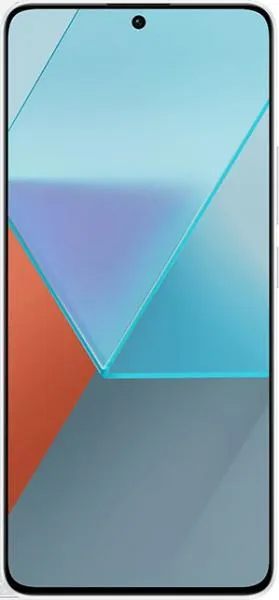
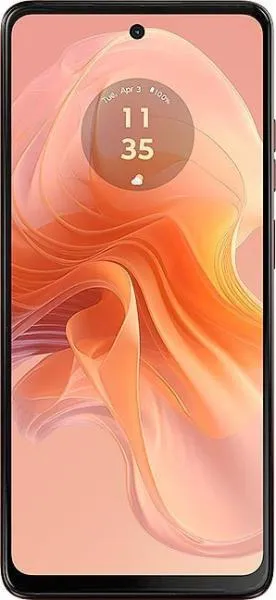
1. Specifications Comparison
| Feature | Xiaomi Redmi Note 13 Pro | Motorola Moto G04s | Practical Impact | ||
|---|---|---|---|---|---|
| Design | |||||
| Dimensions (mm) | 161.2 x 74.2 x 8 | 163.5 x 74.5 x 8 | Virtually identical in size and feel | ||
| Weight (g) | 187 | 178.8 | Negligible weight difference in daily use | ||
| Fingerprint Sensor | Under-display | Side-mounted | Preference-based; both are reliable | ||
| Display | |||||
| Display Type | AMOLED, 68B colors, 120Hz | IPS LCD, 90Hz | Significantly better contrast, colors, and smoothness on the Redmi Note 13 Pro | ||
| Resolution | 1220 x 2712 | 720 x 1612 | Much sharper and more detailed visuals on the Redmi Note 13 Pro | ||
| Refresh Rate | 120Hz | 90Hz | Smoother animations and scrolling on the Redmi Note 13 Pro | ||
| Peak Brightness (nits) | 1800 | Not specified | Redmi Note 13 Pro should be far more visible in direct sunlight; Missing Moto G04s data limits full comparison | ||
| Performance | |||||
| Chipset | Snapdragon 7s Gen 2 (4nm) | Unisoc T606 (12nm) | Significantly faster and more power-efficient performance on the Redmi Note 13 Pro | ||
| CPU | Octa-core (4x2.4 GHz A78 & 4x1.95 GHz A55) | Octa-core (2x1.6 GHz A75 & 6x1.6 GHz A55) | Noticeably better performance for demanding tasks and multitasking on the Redmi Note 13 Pro | ||
| GPU | Adreno 710 | Mali-G57 MP1 | Much stronger gaming and graphics performance on the Redmi Note 13 Pro | ||
| RAM/Storage | 8/256GB, 12/256GB, 12/512GB | 4/128GB | More RAM and storage options provide flexibility and future-proofing on the Redmi Note 13 Pro | ||
| Camera | |||||
| Video Capabilities | 4K@30fps, 1080p@120fps | 1080p@30fps | Redmi Note 13 Pro offers higher resolution and slow-motion video recording | Missing detailed camera specs for both phones prevent in-depth comparison. | |
| Battery | |||||
| Capacity (mAh) | 5100 | 5000 | Similar battery life expected, though Redmi's superior efficiency might extend its usage |
2. Key Differences Analysis
Xiaomi Redmi Note 13 Pro Advantages:
- Significantly better display: Higher resolution, AMOLED technology, higher refresh rate, and peak brightness deliver a superior visual experience.
- Much more powerful performance: The Snapdragon 7s Gen 2 outclasses the Unisoc T606, enabling smoother multitasking, gaming, and demanding applications.
- More versatile camera: 4K video recording and 120fps slow-motion offer more creative options.
- More RAM and Storage options: Provides flexibility for different needs and better future-proofing.
Motorola Moto G04s Advantages:
- Potentially Lower Price: While not specified, Motorola's G series typically targets a more budget-conscious market.
- Latest Android OS: Ships with Android 14, offering potentially longer software support.
Trade-offs: The Redmi Note 13 Pro's superior features come at a likely higher price. The Moto G04s prioritizes affordability but compromises on performance and display quality.
3. User Profiles & Recommendations
Redmi Note 13 Pro: Users who prioritize a vibrant display, smooth performance, strong gaming capabilities, and versatile camera features. Suitable for content consumption, mobile gaming, and photography enthusiasts.
Moto G04s: Budget-conscious users who prioritize basic smartphone functionality, such as calling, texting, web browsing, and social media. Ideal for light users who don't demand high performance or advanced features.
4. Decision Framework
Key Questions for Buyers:
- What is your budget? The Redmi Note 13 Pro will likely be more expensive.
- What are your primary smartphone uses? Gaming, photography, and media consumption benefit from the Redmi's superior hardware.
- How important is display quality? The AMOLED display on the Redmi Note 13 Pro is a significant advantage.
Scenario-Based Recommendations:
- Heavy user: Redmi Note 13 Pro
- Budget-conscious light user: Moto G04s
- Gamer/Photographer/Content Consumer: Redmi Note 13 Pro
My Choice: Xiaomi Redmi Note 13 Pro
Reasoning: While pricing is a significant factor and unknown for the Moto G04s, the substantial performance and display advantages of the Redmi Note 13 Pro make it the clear winner for me. The Snapdragon 7s Gen 2, coupled with the high refresh rate AMOLED display, would provide a significantly more enjoyable and responsive user experience. The versatility offered by the camera features and larger RAM/storage configurations further solidifies its appeal for long-term use. The Moto G04s, while potentially more affordable, compromises too heavily on key areas that significantly impact daily usage. A sharper, smoother, and more powerful phone is worth the price premium for most users.
