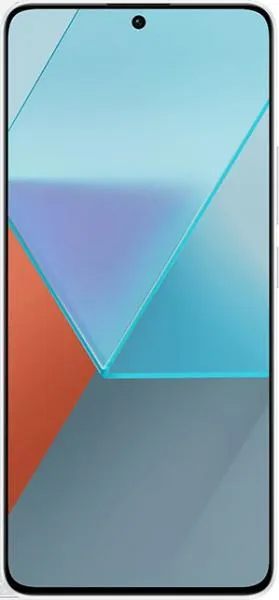
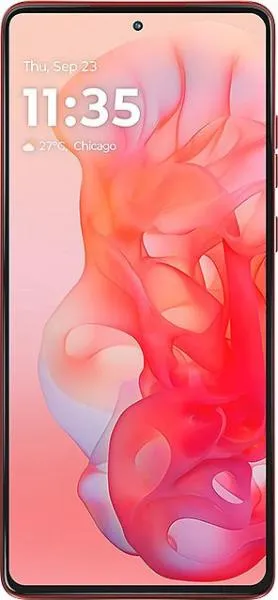
1. Specifications Comparison
| Feature | Xiaomi Redmi Note 13 Pro | Motorola Moto G Stylus 5G (2024) | Practical Impact |
|---|---|---|---|
| Design | |||
| Dimensions | 161.2 x 74.2 x 8 mm | 162.6 x 74.8 x 8.3 mm | Virtually identical in hand feel. |
| Weight | 187g | 190g | Negligible weight difference. |
| Build Materials | Not specified | Not specified | Unable to compare durability and premium feel. |
| Display | |||
| Display Type | AMOLED, 68B colors | P-OLED, 1B colors | Redmi Note 13 Pro likely offers more vibrant and accurate colors. |
| Size | 6.67" | 6.7" | Negligible size difference. |
| Resolution | 1220 x 2712 | 1080 x 2400 | Redmi Note 13 Pro has a sharper display with significantly higher pixel density (446 ppi vs 395 ppi), resulting in crisper text and images. |
| Refresh Rate | 120Hz | 120Hz | Both offer smooth scrolling and animations. |
| Peak Brightness | 1800 nits | 1200 nits | Redmi Note 13 Pro will be significantly more visible in direct sunlight. |
| Performance | |||
| Chipset | Snapdragon 7s Gen 2 (4nm) | Snapdragon 6 Gen 1 (4nm) | Redmi Note 13 Pro's 7s Gen 2 should offer noticeably better performance in demanding tasks and gaming due to its higher clock speeds and more powerful CPU cores. |
| CPU | Octa-core (4x2.4 GHz A78 & 4x1.95 GHz A55) | Octa-core (4x2.2 GHz A78 & 4x1.8 GHz A55) | Redmi Note 13 Pro boasts faster clock speeds, leading to improved responsiveness. |
| GPU | Adreno 710 | Adreno 710 | While both use the same GPU, the 7s Gen 2's higher clock speeds may provide a slight edge in gaming performance on the Redmi Note 13 Pro. |
| RAM/Storage | 256GB/8GB, 256GB/12GB, 512GB/12GB | 256GB/8GB | Redmi Note 13 Pro offers more RAM options for better multitasking. |
| Camera | |||
| Rear Camera | Not specified | Not specified | Cannot compare camera quality and features. |
| Front Camera | Not specified | Not specified | Cannot compare selfie camera quality. |
| Video | 4K@30fps, up to 1080p@120fps with EIS | 4K@30fps, up to 1080p@120fps | Redmi Note 13 Pro explicitly mentions Electronic Image Stabilization (EIS) for video, potentially offering smoother footage. Missing information for Motorola. |
| Battery | |||
| Capacity | 5100 mAh | 5000 mAh | Negligible difference in battery life. Real-world usage will depend on software optimization. |
| Charging | Not specified | Not specified | Cannot compare charging speeds. |
| Other | |||
| OS | Android 13 | Android 14 | Moto G Stylus ships with a newer Android version, but Redmi Note 13 Pro is likely to receive updates to a newer version eventually. |
| Stylus | No | Yes | Moto G Stylus offers stylus functionality for note-taking and drawing. |
| NFC | Yes | Yes | Both support contactless payments. |
2. Key Differences Analysis
Redmi Note 13 Pro Advantages:
- Superior Display: Sharper, brighter, and likely more color-accurate.
- Better Performance: More powerful chipset for smoother multitasking and gaming.
- More RAM Options: Provides configurations with more RAM for demanding users.
Moto G Stylus 5G (2024) Advantages:
- Integrated Stylus: Offers precise input for note-taking, sketching, and other tasks.
- Newer OS: Ships with Android 14 out of the box.
3. User Profiles & Recommendations
Redmi Note 13 Pro: Users who prioritize display quality, performance, and future-proofing. Ideal for gaming, media consumption, and demanding multitasking.
Moto G Stylus 5G (2024): Users who value note-taking, sketching, or precise on-screen interaction. Suitable for students, artists, and those who prefer a stylus for navigation.
4. Decision Framework
Key Questions:
- Is a stylus essential for your workflow?
- Do you prioritize display quality and performance over other features?
- What is your budget, and which phone offers the best value for your needs?
Scenario-Based Recommendations:
- Student on a Budget: Moto G Stylus 5G (2024) for note-taking and affordability.
- Mobile Gamer: Redmi Note 13 Pro for its superior performance and display.
- Professional needing a reliable device: Redmi Note 13 Pro for its overall performance and future-proofing.
My Choice: Xiaomi Redmi Note 13 Pro
While the Moto G Stylus offers a unique feature with its integrated stylus, the Xiaomi Redmi Note 13 Pro is the stronger overall device for my needs. The significantly better display (higher resolution, brightness, and color depth) is a major deciding factor. Combined with the more powerful processor, the Redmi Note 13 Pro promises a smoother and more enjoyable user experience for everyday tasks, media consumption, and even light gaming. The availability of higher RAM configurations also contributes to future-proofing the device. Although the Moto G Stylus ships with the latest Android version, the Redmi Note 13 Pro's hardware advantages outweigh the software difference, especially considering its likelihood of receiving future updates. I don't have a strong need for a stylus, so the Redmi Note 13 Pro's superior performance and visual experience make it the clear winner for me.
