1. Specifications Comparison
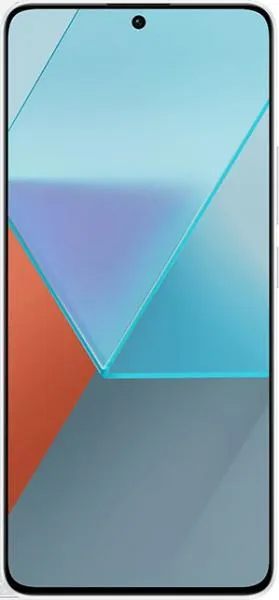
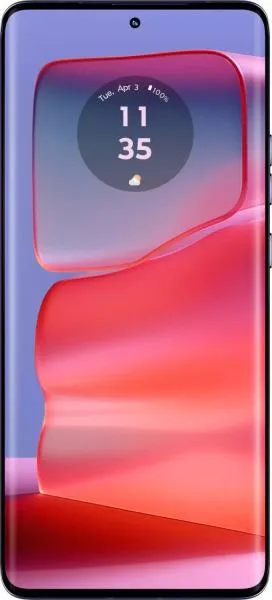
| Feature | Xiaomi Redmi Note 13 Pro | Motorola Edge 50 Pro | Practical Impact |
|---|---|---|---|
| Design | |||
| Dimensions (mm) | 161.2 x 74.2 x 8 | 161.2 x 72.4 x 8.2 | Virtually identical in hand, though the Motorola is slightly thinner but less wide. |
| Weight (g) | 187 | 186 | Negligible weight difference; both feel substantial. |
| Build Materials | Not specified | Not specified | Cannot compare build quality and durability without more information. |
| Display | |||
| Display Type | AMOLED, 68B colors | P-OLED, 1B colors | Motorola's P-OLED likely offers improved power efficiency and deeper blacks. Both support a wide color gamut. |
| Display Size (inches) | 6.67 | 6.7 | Negligible size difference. |
| Resolution | 1220 x 2712 | 1220 x 2712 | Identical resolution; sharpness and clarity will be similar. |
| Refresh Rate (Hz) | 120 | 144 | Motorola offers smoother scrolling and animations with its higher refresh rate. Noticeable in fast-paced games and UI interactions. |
| Peak Brightness (nits) | 1800 | 2000 | Motorola's higher peak brightness offers better visibility in direct sunlight. |
| Performance | |||
| Chipset | Snapdragon 7s Gen 2 (4nm) | Snapdragon 7 Gen 3 (4nm) | Motorola has a newer, more powerful chipset, leading to better performance in demanding tasks and potentially improved efficiency. |
| CPU | Octa-core (4x2.4 GHz A78 & 4x1.95 GHz A55) | Octa-core (1x2.63 GHz A715 & 4x2.4 GHz A715 & 3x1.8 GHz A510) | Motorola's CPU architecture is more modern and powerful, resulting in faster app loading, smoother multitasking, and better gaming performance. |
| GPU | Adreno 710 | Adreno 720 | Motorola's GPU provides a significant performance boost for gaming and graphically intensive applications. |
| RAM/Storage | 8/256GB, 12/256GB, 12/512GB | 12/256GB, 12/512GB | Similar RAM and storage options provide ample space for apps and files. |
| Battery | |||
| Capacity (mAh) | 5100 | 4500 | Xiaomi offers a larger battery capacity, potentially resulting in longer battery life. Real-world usage will vary. |
| Charging Speed | Not specified | Not specified | Cannot compare charging speeds without more data. |
| Camera | |||
| Rear Camera | Not specified | Not specified | Cannot compare camera quality and features. |
| Video Capabilities | 4K@30fps, 1080p@ various fps | 4K@30fps (HDR, EIS), 1080p@ various fps | Both offer similar video recording capabilities, but the Motorola includes HDR for potentially better video quality. |
| Software | |||
| OS | Android 13 | Android 14 | Motorola comes with a newer Android version, offering potential feature updates and security patches for a longer period. |
2. Key Differences Analysis
Motorola Edge 50 Pro Advantages:
- Superior Performance: The Snapdragon 7 Gen 3, newer CPU architecture and Adreno 720 GPU deliver a significant performance advantage.
- Smoother Display: The 144Hz refresh rate offers noticeably smoother visuals.
- Brighter Display: The higher peak brightness enhances outdoor visibility.
- Newer Software: Android 14 offers the latest features and longer software support.
Xiaomi Redmi Note 13 Pro Advantages:
- Larger Battery: Potentially longer battery life due to the higher capacity.
3. User Profiles & Recommendations
Motorola Edge 50 Pro: Ideal for users who prioritize performance, smooth display, and latest software. Suitable for gamers, power users, and those who value a fluid user experience.
Xiaomi Redmi Note 13 Pro: Potentially better for users who prioritize battery life above all else.
4. Decision Framework
Key Questions for Buyers:
- Performance Priority: How important is raw processing power and a smooth display experience?
- Battery Life Importance: Is maximizing battery life a primary concern?
- Software Updates: How long do you expect to use the phone and how important are software updates?
My Choice: Motorola Edge 50 Pro
While the Xiaomi Redmi Note 13 Pro might offer slightly better battery life, the Motorola Edge 50 Pro provides a significantly superior user experience due to its more powerful processor, smoother display, brighter screen, and newer software. The performance gains and longer software support outweigh the potential difference in battery life for me. The slightly thinner design of the Motorola is also appealing. Ultimately, the Motorola offers a more future-proof and enjoyable user experience.
