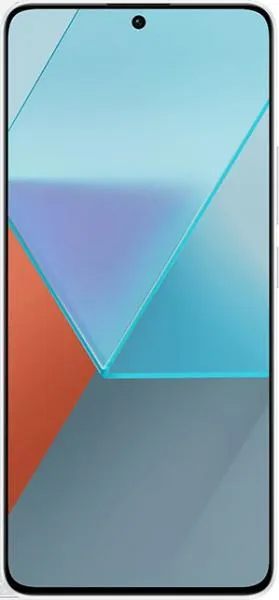
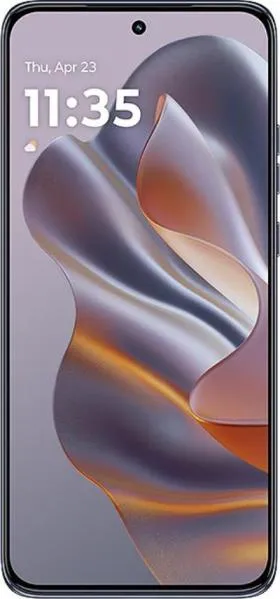
1. Specifications Comparison
| Feature | Xiaomi Redmi Note 13 Pro | Motorola Edge 50 Neo | Practical Impact |
|---|---|---|---|
| Design | |||
| Dimensions | 161.2 x 74.2 x 8 mm | 154.1 x 71.2 x 8.1 mm | The Motorola is slightly smaller and might be more comfortable for one-handed use. |
| Weight | 187g | 171g | The Motorola is noticeably lighter, reducing hand fatigue during extended use. |
| Display | |||
| Display Type | AMOLED, 68B colors | LTPO P-OLED, 1B colors | Both offer excellent color accuracy and deep blacks. The Redmi boasts a wider color gamut, potentially offering more vibrant visuals, while the Motorola utilizes LTPO for potentially better power efficiency. |
| Size | 6.67" | 6.4" | The Redmi offers a larger screen for more immersive content consumption. |
| Resolution | 1220 x 2712 | 1256 x 2760 | Both offer sharp visuals; the Motorola's slightly higher pixel density might be imperceptible in real-world use. |
| Refresh Rate | 120Hz | 120Hz | Both provide smooth scrolling and animations. |
| Peak Brightness | 1800 nits | 3000 nits | The Motorola offers significantly higher peak brightness, ensuring better visibility in direct sunlight. |
| Performance | |||
| Chipset | Snapdragon 7s Gen 2 (4nm) | Dimensity 7300 (4nm) | Both are mid-range chipsets built on a 4nm process, indicating good power efficiency. Performance differences likely depend on specific tasks and optimization. |
| CPU | Octa-core (4x2.4 GHz Cortex-A78 & 4x1.95 GHz Cortex-A55) | Octa-core (4x2.5 GHz Cortex-A78 & 4x2.0 GHz Cortex-A55) | The Motorola has slightly higher clock speeds on its CPU cores, potentially leading to slightly faster performance in demanding applications. |
| GPU | Adreno 710 | Mali-G615 MC2 | GPU performance differences will depend on game optimization. |
| RAM/Storage | Multiple options up to 12GB/512GB | 12GB/512GB | The Redmi offers more RAM and storage configurations, catering to a wider range of needs and budgets. |
| Battery | |||
| Capacity | 5100 mAh | 4310 mAh | The Redmi has a significantly larger battery, likely translating to longer battery life. |
| Software | |||
| OS | Android 13 | Android 14 | The Motorola ships with a newer Android version, offering potential feature and security advantages. |
| OS Max Version | 16 | 19 | Motorola commits to longer OS support. |
| Camera | Missing detailed specs | Missing detailed specs | Cannot compare camera quality without sensor details, aperture, and other specifics. |
2. Key Differences Analysis
Xiaomi Redmi Note 13 Pro Advantages:
- Larger Battery: Significantly longer battery life.
- More Storage Options: Caters to varying budget and storage needs.
- Larger Display: More immersive media consumption.
Motorola Edge 50 Neo Advantages:
- Lighter and More Compact: Enhanced one-handed usability.
- Brighter Display: Superior outdoor visibility.
- Newer Android Version with Longer Support: Access to latest features and longer security updates.
- Slightly Faster CPU: Potential performance edge in demanding tasks.
Trade-offs:
- The Redmi's larger battery and screen come at the cost of increased size and weight.
- The Motorola's smaller battery might necessitate more frequent charging.
3. User Profiles & Recommendations
Xiaomi Redmi Note 13 Pro: Ideal for users who prioritize battery life, a large screen for media consumption, and having flexible storage options. Suitable for power users, gamers (depending on specific game requirements), and those who consume a lot of video content.
Motorola Edge 50 Neo: Suitable for users who value a compact and lightweight phone with a bright display for outdoor use. Good for users who prioritize software updates and a smooth user experience.
4. Decision Framework
Key Questions for Buyers:
- How important is battery life? If all-day battery life is crucial, the Redmi is the better choice.
- Do you prefer a large screen or a compact phone? The Redmi offers a more immersive viewing experience, while the Motorola is easier to handle.
- How important is having the latest software and long-term updates? The Motorola has an advantage in this area.
Scenario-Based Recommendations:
- Heavy media consumer: Redmi Note 13 Pro
- One-handed use and portability: Motorola Edge 50 Neo
- Outdoor use in bright sunlight: Motorola Edge 50 Neo
My Choice: Motorola Edge 50 Neo
While the Redmi Note 13 Pro boasts a larger battery and screen, I prioritize software updates, a comfortable in-hand feel, and a bright display for outdoor use. The Motorola Edge 50 Neo's lighter weight, smaller size, and commitment to longer OS updates make it a more compelling option for my personal needs. The slightly faster CPU is a bonus, though real-world performance differences might be minimal. The brighter display is a significant advantage for outdoor usage, which is important to me. While the smaller battery is a drawback, I'm willing to compromise for the overall package offered by the Motorola.
