1. Specifications Comparison
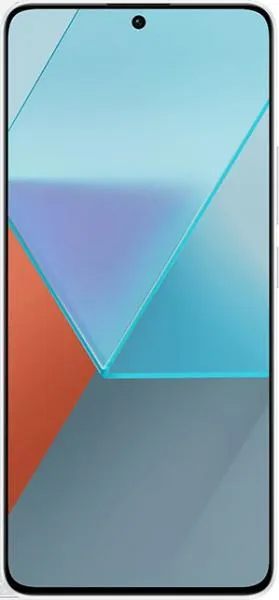
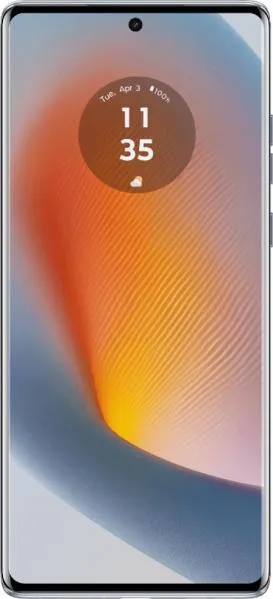
| Feature | Xiaomi Redmi Note 13 Pro | Motorola Edge 50 Fusion | Practical Impact |
|---|---|---|---|
| Design | |||
| Dimensions | 161.2 x 74.2 x 8 mm | 161.9 x 73.1 x 7.9 mm | Virtually identical in size; negligible real-world difference. |
| Weight | 187g | 174.9g | Redmi is noticeably heavier; might impact one-handed use for some. |
| Display | |||
| Size | 6.67" | 6.7" | Negligible size difference. |
| Type | AMOLED, 68B colors | P-OLED, 1B colors | Both offer vibrant colors; AMOLED generally has deeper blacks. Redmi's 68B color support offers a wider color gamut, but the discernable difference for average users is minimal. |
| Resolution | 1220 x 2712 (FHD+) | 1080 x 2400 (FHD+) | Redmi has a sharper display due to higher pixel density (446 ppi vs 393 ppi). Noticeable in text clarity and image sharpness. |
| Refresh Rate | 120Hz | 120Hz (LATAM), 144Hz (INT) | Both offer smooth scrolling and animations. 144Hz on the Motorola (International version) provides a slightly smoother experience in supported content but may consume more battery. |
| Peak Brightness | 1800 nits | 1600 nits | Redmi offers better outdoor visibility in direct sunlight. |
| Performance | |||
| Chipset | Snapdragon 7s Gen 2 (4nm) | Snapdragon 7s Gen 2 (4nm) | Identical performance; both handle day-to-day tasks and moderate gaming well. |
| CPU | Octa-core (4x2.40 GHz Cortex-A78 & 4x1.95 GHz Cortex-A55) | Octa-core (4x2.40 GHz Cortex-A78 & 4x1.95 GHz Cortex-A55) | Identical CPU performance. |
| GPU | Adreno 710 | Adreno 710 | Identical GPU performance. |
| RAM/Storage | 8GB/256GB, 12GB/256GB, 12GB/512GB | 8GB/256GB | Redmi offers more RAM options for potentially better multitasking. More storage options on the Redmi cater to users with high storage demands. |
| Battery | |||
| Capacity | 5100 mAh | 5000 mAh | Negligible difference in battery life; real-world usage will vary more based on individual habits. |
| Software | |||
| OS | Android 13 | Android 14 | Motorola launches with a newer Android version, offering potential feature and security advantages. Redmi will likely receive updates to Android 14 and potentially beyond. |
| Camera | Not enough information provided for detailed comparison. | Not enough information provided for detailed comparison. | N/A |
2. Key Differences Analysis
Xiaomi Redmi Note 13 Pro Advantages:
- Sharper Display: Higher resolution leads to noticeable improvements in clarity.
- Brighter Display: Better visibility in direct sunlight.
- More RAM/Storage Options: Caters to power users and those with higher storage needs.
Motorola Edge 50 Fusion Advantages:
- Lighter Weight: More comfortable for extended use and one-handed operation.
- Newer Android Version: Potential feature and security advantages, but Redmi is likely to receive updates.
- Potentially Higher Refresh Rate (International): Smoother experience in supported content.
3. User Profiles & Recommendations
Xiaomi Redmi Note 13 Pro: Users who prioritize display quality, need ample storage, and value multitasking capabilities. Suitable for media consumption, gaming, and productivity.
Motorola Edge 50 Fusion: Users who prioritize a lightweight phone, prefer the latest software, and value a smooth display. Suitable for general use, social media, and light gaming. International users benefit from the 144Hz refresh rate.
4. Decision Framework
Key Questions for Buyers:
- How important is display sharpness and brightness?
- Do you need a lot of storage or RAM?
- Is having the latest Android version at launch a priority?
Scenario-Based Recommendations:
- Prioritize media consumption: Redmi Note 13 Pro due to its superior display.
- Limited budget and prefer latest OS: Motorola Edge 50 Fusion.
- Heavy multitasking and need large storage: Redmi Note 13 Pro.
My Choice: Xiaomi Redmi Note 13 Pro
While both phones are closely matched, the Xiaomi Redmi Note 13 Pro's superior display is the deciding factor for me. The sharper resolution and higher brightness significantly enhance the viewing experience, which is crucial for media consumption, gaming, and even everyday tasks. The additional RAM and storage options also provide future-proofing and flexibility. While the Motorola Edge 50 Fusion offers a newer Android version and lighter weight, these advantages don't outweigh the Redmi's display benefits in my personal use case. I often consume media and value a crisp, bright screen. The slight weight difference is acceptable considering the noticeable gain in visual quality.
