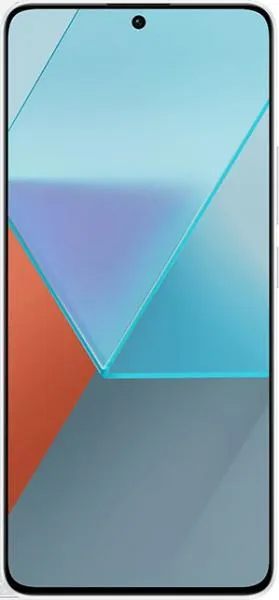

1. Specifications Comparison
| Feature | Xiaomi Redmi Note 13 Pro | Huawei Pura 70 Ultra | Practical Impact |
|---|---|---|---|
| Design | |||
| Dimensions (mm) | 161.2 x 74.2 x 8 | 162.6 x 75.1 x 8.4 | The Huawei is slightly larger and thicker. May impact one-handed usability. |
| Weight (g) | 187 | 226 | Significant weight difference. The Xiaomi will feel noticeably lighter in hand, reducing fatigue during extended use. |
| Build Materials | Not specified | Not specified | Unable to compare build quality and durability. |
| Display | |||
| Size (inches) | 6.67 | 6.8 | Negligible difference in screen real estate. |
| Type | AMOLED, 68B colors, 120Hz, Dolby Vision | LTPO OLED, 1B colors, HDR, 120Hz | Both offer smooth scrolling and vibrant colors. The Huawei's LTPO panel may offer better power efficiency due to variable refresh rate. The impact of 1B vs 68B colors is debatable in real-world usage. |
| Resolution | 1220 x 2712 | 1260 x 2844 | Similar pixel density (sharpness). Huawei slightly sharper due to higher resolution. |
| Peak Brightness (nits) | 1800 | 2500 | Huawei offers significantly higher peak brightness, improving outdoor visibility. |
| Performance | |||
| Chipset | Snapdragon 7s Gen 2 (4 nm) | Kirin 9010 (7 nm) | Kirin 9010 is likely a more powerful flagship-level chipset compared to the upper mid-range Snapdragon 7s Gen 2. Expect better performance in demanding tasks and gaming on the Huawei. |
| CPU | Octa-core (4x2.4 GHz Cortex-A78 & 4x1.95 GHz Cortex-A55) | Octa-core (1x2.3 GHz Taishan Big & 3x2.18 GHz Taishan Mid & 4x1.55 GHz Cortex-A510) | CPU architectures differ, direct comparison difficult without benchmarks. Expect the Kirin to perform better in demanding tasks. |
| GPU | Adreno 710 | 8 | Missing GPU details for Huawei makes comparison impossible. |
| RAM/Storage | 8/256GB, 12/256GB, 12/512GB | 16/1000GB | Huawei offers significantly more RAM and storage in the provided configuration. This allows for smoother multitasking and ample space for files and apps. |
| Camera | |||
| Rear Camera | Not specified | Not specified | Camera comparison impossible without detailed specifications. |
| Video | 4K@30fps, 1080p@ various fps | Not specified | Xiaomi lists comprehensive video recording capabilities. Unable to compare to Huawei due to missing information. |
| Battery | |||
| Capacity (mAh) | 5100 | 5200 | Negligible difference in battery capacity. Real-world battery life will depend on software optimization and usage patterns. |
| Charging Speed | Not specified | Not specified | Charging speed comparison impossible. |
| Software | |||
| OS | Android 13 | Not specified | Missing OS information for the Huawei makes software comparison impossible. A critical factor in user experience. |
2. Key Differences Analysis
Xiaomi Redmi Note 13 Pro Advantages:
- Lighter and more compact: Noticeably less weight improves handling comfort.
- Potentially more affordable: Belongs to a medium price range.
- Confirmed Dolby Vision and comprehensive video capabilities: Enhanced visual and recording experience.
Huawei Pura 70 Ultra Advantages:
- Brighter display: Significantly better outdoor visibility.
- More powerful processor: Likely superior performance for demanding tasks and gaming.
- More RAM and storage: Smoother multitasking and ample storage space.
- Potentially more power-efficient display: LTPO technology allows for variable refresh rate.
3. User Profiles & Recommendations
Xiaomi Redmi Note 13 Pro: Suitable for users seeking a lightweight, affordable phone with a good display and reliable performance for everyday tasks. Good for media consumption due to Dolby Vision and comprehensive video recording features.
Huawei Pura 70 Ultra: Ideal for power users who demand top-tier performance, a large amount of storage, and a bright display for outdoor use. Suitable for demanding tasks like gaming and video editing (assuming a powerful GPU).
4. Decision Framework
Key Questions for Buyers:
- What is your budget? The Xiaomi is likely more affordable.
- What are your performance needs? The Huawei likely offers superior performance.
- What is your priority: portability or screen brightness? The Xiaomi is lighter, while the Huawei has a brighter display.
Scenario-Based Recommendations:
- Limited Budget, Everyday Use: Xiaomi Redmi Note 13 Pro
- Demanding Tasks, Power User: Huawei Pura 70 Ultra
My Choice: Xiaomi Redmi Note 13 Pro (with caveats)
While the Huawei Pura 70 Ultra boasts impressive specifications in terms of performance, storage, and display brightness, the lack of crucial information, particularly regarding the OS, GPU, and camera, makes it impossible to confidently recommend. The significant weight difference also impacts practicality.
The Xiaomi Redmi Note 13 Pro, while less powerful, offers a more well-rounded and confirmed feature set at a likely lower price. Its lighter weight significantly enhances daily usability.
However, this choice is heavily contingent on the missing Huawei information. If the Huawei runs a fully functional OS with access to Google services, has a competitive GPU and camera system, and the price difference is negligible, then the Huawei would likely be the superior choice. But without that information, the Xiaomi represents the safer and more informed decision.
