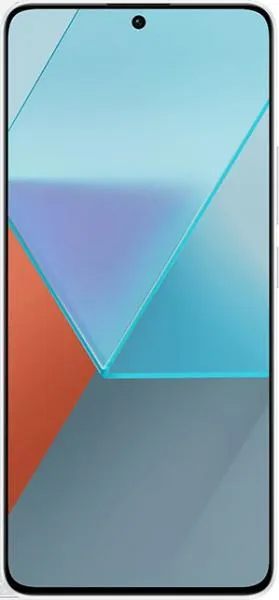
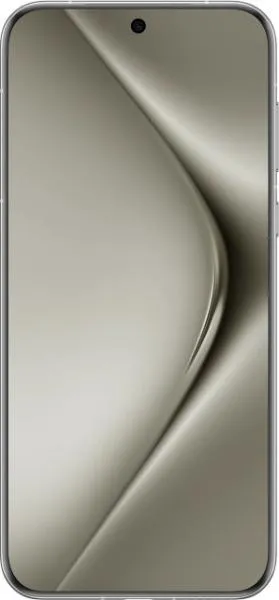
1. Specifications Comparison
| Feature | Xiaomi Redmi Note 13 Pro | Huawei Pura 70 Pro | Practical Impact |
|---|---|---|---|
| Design | |||
| Dimensions (mm) | 161.2 x 74.2 x 8 | 162.6 x 75.1 x 8.4 | The Redmi is slightly smaller and thinner, potentially offering a better one-handed grip. |
| Weight (g) | 187 | 220 | The Redmi is noticeably lighter, reducing hand fatigue during extended use. |
| Build Materials | Not specified | Not specified | Cannot compare build quality and durability without material information. |
| Display | |||
| Size (inches) | 6.67 | 6.8 | The Huawei offers a marginally larger screen, providing a slightly more immersive viewing experience. |
| Type | AMOLED, 120Hz | LTPO OLED, 120Hz | Both offer smooth scrolling and animations thanks to the 120Hz refresh rate. LTPO on the Huawei allows for dynamic refresh rate adjustment, potentially saving battery. |
| Resolution | 1220 x 2712 | 1260 x 2844 | Both offer sharp displays. The slightly higher resolution on the Huawei might provide a marginally crisper image. |
| Peak Brightness (nits) | 1800 | 2500 | The Huawei's significantly higher peak brightness ensures better visibility in direct sunlight. |
| Color Depth | 68B | 1B | Huawei boasts a wider color gamut potentially offering richer and more accurate colors. |
| Performance | |||
| Chipset | Snapdragon 7s Gen 2 (4nm) | Kirin 9010 (7nm) | The Kirin 9010 is likely a more powerful chipset based on its presumed flagship status, though benchmark comparisons would be needed. The 4nm process on the Snapdragon should result in better power efficiency. |
| CPU | Octa-core (4x2.4 GHz A78 & 4x1.95 GHz A55) | Octa-core (1x2.3 GHz & 3x2.18 GHz & 4x1.55 GHz) | Specific core configurations suggest the Kirin 9010 might have a performance advantage in demanding tasks, but real-world performance depends on optimization. |
| GPU | Adreno 710 | 8 | Insufficient information on Huawei's GPU to make a comparison. |
| RAM/Storage | Various options up to 12GB/512GB | 12GB/512GB or 12GB/1TB | Huawei offers a larger 1TB storage option for users needing ample space. |
| Battery | |||
| Capacity (mAh) | 5100 | 5050 | Negligible difference in battery capacity. Real-world battery life depends on software optimization and usage patterns. |
| Camera | |||
| Video Capabilities | 4K@30fps, 1080p up to 120fps with EIS | Not specified | The Redmi's video capabilities are clearly defined, offering various resolutions and frame rates with electronic image stabilization. No information available for the Huawei. |
| Software | |||
| OS | Android 13 | Not Specified | A critical missing specification. The OS heavily impacts user experience and app availability. |
2. Key Differences Analysis
Xiaomi Redmi Note 13 Pro Advantages:
- Lighter and More Compact: Easier to handle and carry.
- Detailed Video Capabilities: Offers various recording options with stabilization.
- Confirmed Android OS: Ensures access to a wide range of apps and services.
Huawei Pura 70 Pro Advantages:
- Brighter Display: Superior outdoor visibility.
- Potentially More Powerful Chipset: Likely better for demanding tasks and gaming, though needs confirmation.
- Larger Storage Option: 1TB option caters to users with high storage needs.
- Wider Color Gamut: Potentially richer and more vibrant colors on display.
Trade-offs:
- Redmi: Potentially less powerful than the Huawei.
- Huawei: Heavier and larger; Lack of OS information is a significant concern; No camera details provided.
3. User Profiles & Recommendations
Redmi Note 13 Pro: Suitable for users prioritizing a lightweight, compact phone with good battery life and a reliable Android experience. Ideal for everyday tasks, social media, and casual gaming.
Huawei Pura 70 Pro: Potentially suitable for power users who demand top-tier performance and a large, vibrant display. Ideal for demanding gaming, media consumption, and multitasking. However, the lack of OS information makes it impossible to recommend confidently.
4. Decision Framework
Key Questions:
- What is your budget and what level of performance do you need? The Redmi is likely more affordable, while the Huawei might offer superior performance (needs confirmation).
- How important is portability and one-handed use? The Redmi's lighter and smaller form factor is advantageous in this regard.
- What operating system do you prefer and rely on? The lack of OS information for the Huawei is a major concern.
My Choice: Xiaomi Redmi Note 13 Pro
Reasoning: While the Huawei Pura 70 Pro boasts impressive specifications in certain areas like display brightness and potential processing power, the lack of crucial information, particularly regarding the operating system, is a deal-breaker. A smartphone's OS is fundamental to the user experience, and without knowing what OS the Huawei uses (and if it even has Google Play Services), it's impossible to recommend it.
The Redmi Note 13 Pro, on the other hand, offers a well-rounded package with a confirmed Android OS, ensuring access to a vast app ecosystem. Its lighter weight, confirmed video capabilities, and likely lower price point make it a more practical and safer choice given the available information. While potentially less powerful, the Redmi's performance is likely sufficient for most users. The Huawei's potential advantages are overshadowed by the massive unknown regarding its software.
