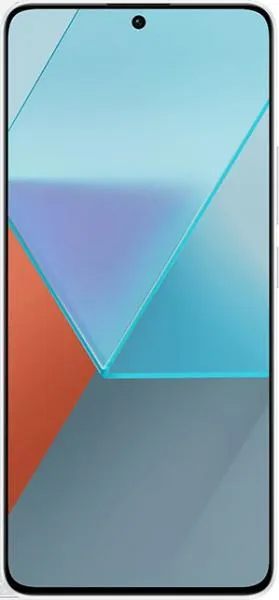

1. Specifications Comparison
| Feature | Xiaomi Redmi Note 13 Pro | Huawei Pura 70 | Practical Impact |
|---|---|---|---|
| Design | |||
| Dimensions | 161.2 x 74.2 x 8 mm | 157.6 x 74.3 x 8 mm | Huawei Pura 70 is slightly shorter and narrower, potentially offering a slightly better one-handed grip. Depth is the same. |
| Weight | 187g | 207g | Redmi Note 13 Pro is noticeably lighter, reducing hand fatigue during extended use. |
| Build Materials | Not specified | Not specified | Cannot compare build quality and durability without material information. |
| Display | |||
| Size | 6.67" | 6.6" | Negligible difference in screen real estate. |
| Type | AMOLED, 68B colors, 120Hz, Dolby Vision | LTPO OLED, 1B colors, HDR, 120Hz | Both offer smooth scrolling and vibrant colors. LTPO on the Huawei allows for dynamic refresh rate adjustment, potentially saving battery. Redmi boasts Dolby Vision for enhanced HDR content. |
| Resolution | 1220 x 2712 | 1256 x 2760 | Both offer sharp, detailed visuals. Huawei has a slightly higher pixel density (460 vs 446 ppi), but the difference is barely noticeable in real-world use. |
| Peak Brightness | 1800 nits | 2500 nits | Huawei Pura 70 offers significantly higher peak brightness, ensuring better visibility in direct sunlight. |
| Performance | |||
| Chipset | Snapdragon 7s Gen 2 (4 nm) | Kirin 9000S1 | Performance comparison is difficult without benchmarks. Kirin 9000S1 is likely a flagship-level chip, potentially offering significantly better performance than the Snapdragon 7s Gen 2, a mid-range chip. |
| CPU | Octa-core (4x2.40 GHz Cortex-A78 & 4x1.95 GHz Cortex-A55) | Octa-core | Specific core configuration for the Kirin chip is missing, making detailed comparison impossible. |
| GPU | Adreno 710 | 8 | "8" is not a meaningful GPU specification. Detailed comparison is impossible without proper GPU information for the Huawei phone. |
| RAM/Storage | 256GB/8GB, 256GB/12GB, 512GB/12GB | 512GB/12GB | Redmi offers more RAM/storage configuration options, catering to different budget and storage needs. |
| Camera | |||
| Details | Not specified | Not specified | Camera comparison is impossible without detailed sensor and feature information. |
| Video | 4K@30fps, 1080p@ various fps with EIS | Not specified | Redmi Note 13 Pro's video capabilities are clearly defined, including Electronic Image Stabilization (EIS). Huawei's video capabilities are unknown. |
| Battery | |||
| Capacity | 5100 mAh | 4900 mAh | Redmi Note 13 Pro has a slightly larger battery, potentially offering slightly longer battery life. Real-world battery life depends on various factors including software optimization and usage patterns. |
| Software | |||
| OS | Android 13 | Not specified | A critical piece of information missing for the Huawei phone. OS significantly impacts user experience and app availability. |
| Other | |||
| NFC | Yes | Yes | Both support contactless payments and data transfer. |
| USB | USB Type-C 2.0, OTG | USB Type-C 3.1, OTG, DisplayPort 1.2 | Huawei offers faster data transfer and video output capabilities with USB 3.1 and DisplayPort. |
2. Key Differences Analysis
Xiaomi Redmi Note 13 Pro Advantages:
- Lighter weight: More comfortable for extended use.
- More storage options: Caters to different needs and budgets.
- Clear video capabilities: Offers 4K recording and EIS.
- Slightly larger battery: Potentially longer battery life.
- Confirmed Operating System: Android 13, ensuring access to Google Play Store and related services.
- Dolby Vision Support: Enhanced HDR experience for supported content.
Huawei Pura 70 Advantages:
- Brighter display: Excellent outdoor visibility.
- Potentially more powerful processor: Kirin 9000S could offer significantly better performance.
- Faster data transfer and video output: USB 3.1 and DisplayPort 1.2 provide enhanced connectivity.
- Slightly smaller dimensions: Potentially improved one-handed usability.
3. User Profiles & Recommendations
Redmi Note 13 Pro: Users prioritizing a lighter phone, longer battery life, a known software experience (Android), and multiple storage options at a competitive price. Ideal for everyday tasks, media consumption, and casual gaming.
Huawei Pura 70: Users who value top-tier performance, a super bright display, and advanced connectivity options. Ideal for demanding tasks, gaming, and content creation, assuming the Kirin processor performs as expected and the missing OS information doesn't negatively impact usability.
4. Decision Framework
Key Questions:
- What is your budget and required storage? Redmi offers more affordable options.
- What is your performance requirement? Huawei likely offers better performance but lacks concrete specifications for comparison.
- Which operating system do you prefer? Redmi uses Android. Huawei's OS is unknown, potentially impacting app availability.
My Choice: Xiaomi Redmi Note 13 Pro
While the Huawei Pura 70 boasts a brighter display and potentially a more powerful processor, the lack of crucial information, especially regarding the operating system, is a significant deterrent. The uncertainty surrounding the OS, coupled with the lack of concrete GPU and CPU details, makes it difficult to confidently assess its overall usability. The Redmi Note 13 Pro, on the other hand, offers a well-rounded package with a confirmed OS (Android 13), clear specifications, and a lighter, more comfortable design. For me, the known quantity and comprehensive feature set of the Redmi outweigh the potential performance advantages of the Huawei, given the significant unknowns. I prioritize a reliable and well-supported software experience, making the Redmi the safer and more appealing choice.
