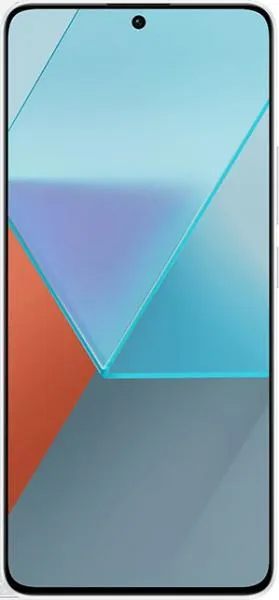
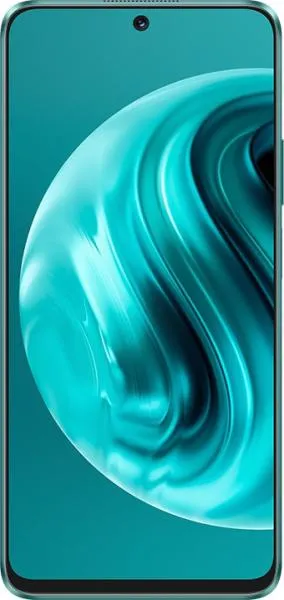
1. Specifications Comparison
| Feature | Xiaomi Redmi Note 13 Pro | Huawei nova 12i | Practical Impact |
|---|---|---|---|
| Design | |||
| Dimensions | 161.2 x 74.2 x 8 mm | 163.3 x 74.7 x 8.4 mm | Redmi is slightly smaller and thinner. |
| Weight | 187g | 199g | Redmi is noticeably lighter. |
| Fingerprint Sensor | Under-display | Side-mounted | Preference-based, under-display is often perceived as more modern. |
| Display | |||
| Display Type | AMOLED, 120Hz | IPS LCD, 90Hz | Redmi offers richer colors, deeper blacks, and smoother scrolling due to AMOLED and higher refresh rate. |
| Resolution | 1220 x 2712 | 1080 x 2388 | Redmi has a significantly sharper display. |
| Peak Brightness | 1800 nits | Not specified | Redmi's display will be much more visible in direct sunlight. Missing peak brightness for Nova 12i limits comparison. |
| Performance | |||
| Chipset | Snapdragon 7s Gen 2 (4nm) | Snapdragon 680 4G (6nm) | Redmi's 7s Gen 2 offers significantly better performance and efficiency. |
| CPU | Octa-core (4x2.4 GHz Cortex-A78 & 4x1.95 GHz Cortex-A55) | Octa-core (4x2.4 GHz Cortex-A73 & 4x1.9 GHz Cortex-A53) | Redmi's CPU has more powerful cores, resulting in faster app loading and smoother multitasking. |
| GPU | Adreno 710 | Adreno 610 | Redmi's GPU offers noticeably better gaming and graphics performance. |
| RAM/Storage | 256GB/8GB, 256GB/12GB, 512GB/12GB | 256GB/8GB | Redmi offers a 12GB RAM option for improved multitasking. |
| Camera | |||
| Video Capabilities | 4K@30fps, 1080p@120fps | 1080p@30fps | Redmi offers significantly better video recording capabilities including 4K and slow-motion. Detailed camera specs are missing, limiting a thorough comparison. |
| Battery | |||
| Capacity | 5100 mAh | 5000 mAh | Negligible difference in battery capacity. |
| Software | |||
| OS | Android 13 | Unspecified | A major missing specification for the Nova 12i. OS significantly impacts user experience. |
2. Key Differences Analysis
Redmi Note 13 Pro Advantages:
- Superior Display: AMOLED with higher resolution, refresh rate, and peak brightness leads to a dramatically better visual experience.
- Significantly Better Performance: The 7s Gen 2 chipset outperforms the Snapdragon 680 in all aspects.
- More Versatile Camera: 4K recording and slow-motion capabilities offer more flexibility.
- More RAM Options: 12GB RAM configuration provides smoother multitasking for demanding users.
Huawei nova 12i Potential Advantages:
- Potentially Lower Price: Depending on market pricing, the Nova 12i might be more affordable. However, without pricing information, this is speculation.
Trade-offs:
- The Redmi Note 13 Pro prioritizes performance and display quality over potential price savings.
3. User Profiles & Recommendations
Redmi Note 13 Pro: Users who value performance, a vibrant display, smooth scrolling, mobile gaming, and versatile camera features. Suitable for power users, content creators, and mobile gamers.
Huawei nova 12i: Users on a tight budget who prioritize basic functionality. Suitable for light users primarily focused on calling, texting, and web browsing. However, the lack of OS information makes a strong recommendation difficult.
4. Decision Framework
Key Questions for Buyers:
- What is your budget? The Redmi Note 13 Pro likely commands a higher price due to its superior features.
- What are your primary smartphone usage patterns? For demanding tasks, the Redmi is significantly better. For basic use, the Nova 12i might suffice if priced significantly lower.
- How important is display quality and performance? The Redmi significantly outperforms the Nova 12i in these areas.
My Choice: Xiaomi Redmi Note 13 Pro
The Xiaomi Redmi Note 13 Pro is the clear winner based on the available information. Its superior display, significantly better performance, more versatile camera, and faster refresh rate offer a substantially better user experience. While the Huawei nova 12i might be more budget-friendly, the lack of crucial information like OS and peak brightness makes it impossible to recommend confidently. The Redmi Note 13 Pro's advantages in key areas like performance and display are significant enough to justify a potential price difference for most users. The missing OS information for the Nova 12i is a major red flag, as it could significantly impact app availability and overall usability.
