1. Specifications Comparison
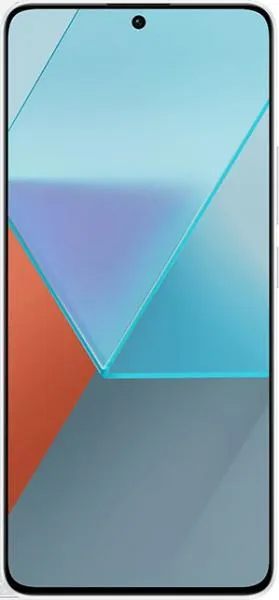
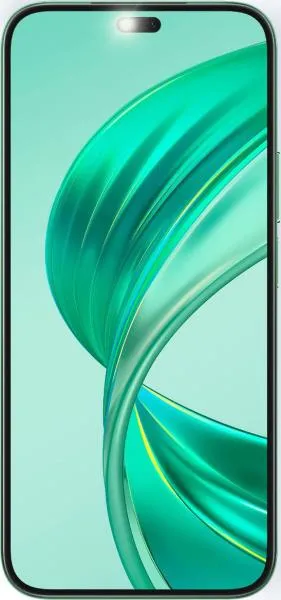
| Feature | Xiaomi Redmi Note 13 Pro | Honor X8b | Practical Impact |
|---|---|---|---|
| Design | |||
| Dimensions | 161.2 x 74.2 x 8 mm | 161.1 x 74.6 x 6.8 mm | Virtually identical in hand feel. Honor X8b slightly thinner. |
| Weight | 187g | 166g | Noticeable difference; Honor X8b will feel lighter. |
| Fingerprint Sensor | Under-display | Side-mounted | Preference-based; under-display feels more modern, side-mounted can be faster. |
| Display | |||
| Size | 6.67" | 6.7" | Negligible size difference. |
| Type | AMOLED, 120Hz | AMOLED, 90Hz | Redmi's 120Hz provides smoother scrolling and animations. |
| Resolution | 1220 x 2712 | 1080 x 2412 | Redmi offers significantly sharper visuals due to higher resolution. |
| Peak Brightness | 1800 nits | 2000 nits | Honor X8b might be slightly more readable in direct sunlight. |
| Color Depth | 68B | Not specified | Redmi supports a wider color gamut, resulting in more vibrant visuals. |
| Performance | |||
| Chipset | Snapdragon 7s Gen 2 (4nm) | Snapdragon 680 4G (6nm) | Redmi's 7s Gen 2 offers significantly better performance and efficiency. |
| CPU | Octa-core (4x2.4 GHz A78 & 4x1.95 GHz A55) | Octa-core (4x2.4 GHz Kryo 265 & 4x1.9 GHz Kryo 265) | Redmi's CPU architecture is more powerful, leading to faster app loading and multitasking. |
| GPU | Adreno 710 | Adreno 610 | Redmi's GPU provides a smoother gaming experience and better graphics rendering. |
| RAM/Storage | 256GB/8GB, 256GB/12GB, 512GB/12GB | 256GB/6GB, 256GB/8GB | Redmi offers more RAM options for better multitasking; both offer ample storage. |
| Camera | |||
| Video Capabilities | 4K@30fps, 1080p@ various fps with EIS | 1080p@30fps | Redmi provides significantly better video recording capabilities with higher resolution and EIS. |
| Specific sensor details | Not specified for either phone | Cannot compare image quality without detailed sensor specifications. | |
| Battery | |||
| Capacity | 5100 mAh | 4500 mAh | Redmi offers longer battery life. |
| Other | |||
| NFC | Yes | No | Redmi supports contactless payments and data transfer. |
| OS Updates | Up to Android 16 | Not specified | Redmi has confirmed longer software support. |
2. Key Differences Analysis
Redmi Note 13 Pro Advantages:
- Superior Performance: Significantly faster processor and GPU for smoother gaming, multitasking, and app usage.
- Sharper Display: Higher resolution and refresh rate for a more visually appealing experience.
- Longer Battery Life: Larger battery capacity for extended usage.
- More Features: NFC for contactless payments, wider color gamut display.
- Longer Software Support: Confirmed updates up to Android 16.
Honor X8b Advantages:
- Lighter Weight: More comfortable for extended use.
- Potentially Brighter Display: Higher peak brightness for better outdoor visibility (though real-world difference might be minimal).
Trade-offs:
- The Honor X8b sacrifices performance, features, and battery life for a lighter weight and potentially brighter display.
3. User Profiles & Recommendations
Redmi Note 13 Pro: Ideal for users who prioritize performance, a smooth display, long battery life, and features like NFC. Suitable for gaming, media consumption, and demanding tasks.
Honor X8b: Suitable for users who primarily value a lightweight phone for basic tasks like calling, texting, and browsing. Budget-conscious users might find it appealing if performance is not a priority.
4. Decision Framework
Key Questions:
- What is your budget? Both are mid-range, but the price difference could be significant.
- What are your primary phone usage patterns? Gaming, media consumption, or basic tasks?
- Which features are most important to you? Performance, battery life, camera, NFC?
Scenario-Based Recommendations:
- Gamer: Redmi Note 13 Pro for its superior performance.
- Heavy User: Redmi Note 13 Pro for its long battery life and smooth performance.
- Casual User: Honor X8b if budget is extremely tight and weight is a primary concern.
My Choice: Xiaomi Redmi Note 13 Pro
The Redmi Note 13 Pro offers a significantly better overall package. The performance difference between the Snapdragon 7s Gen 2 and the Snapdragon 680 is substantial, impacting daily usability. The sharper display, longer battery life, NFC functionality, and confirmed software updates make it a more future-proof choice. While the Honor X8b is lighter, the performance and feature compromises are too significant to ignore. The Redmi's slightly higher weight is a worthwhile trade-off for the substantial gains in other areas. Unless budget is extremely restrictive and only the lightest possible phone will suffice, the Redmi Note 13 Pro is the clear winner.
