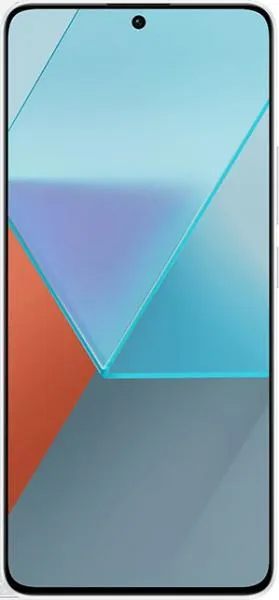

1. Specifications Comparison
| Feature | Xiaomi Redmi Note 13 Pro | Honor 200 Pro | Practical Impact |
|---|---|---|---|
| Design | |||
| Dimensions | 161.2 x 74.2 x 8 mm | 163.3 x 75.2 x 8.2 mm | Honor 200 Pro is slightly larger and thicker. May impact one-handed usability. |
| Weight | 187g | 199g | Redmi Note 13 Pro is noticeably lighter, reducing hand fatigue during extended use. |
| Build Materials | Not specified | Not specified | Cannot compare build quality and durability without this information. |
| Display | |||
| Display Type | AMOLED, 68B colors | OLED, 1B colors | Both offer excellent color accuracy and deep blacks. The difference in color depth (68B vs 1B) is unlikely to be noticeable in real-world usage. |
| Size | 6.67 inches | 6.78 inches | Honor 200 Pro offers a slightly larger screen for more immersive media consumption. |
| Resolution | 1220 x 2712 | 1224 x 2700 | Virtually identical resolutions, resulting in similar sharpness. |
| Refresh Rate | 120Hz | 120Hz | Both offer smooth scrolling and animations. |
| Peak Brightness | 1800 nits | 4000 nits | Honor 200 Pro boasts significantly higher peak brightness, ensuring excellent outdoor visibility even in direct sunlight. |
| Performance | |||
| Chipset | Snapdragon 7s Gen 2 (4nm) | Snapdragon 8s Gen 3 (4nm) | Honor 200 Pro uses a flagship-level processor, offering significantly better performance for demanding tasks and gaming. |
| CPU | Octa-core (4x2.4 GHz A78 & 4x1.95 GHz A55) | Octa-core (1x3.0 GHz X4 & 4x2.8 GHz A720 & 3x2.0 GHz A520) | Honor 200 Pro's CPU architecture and clock speeds deliver superior multi-core performance and faster processing. |
| GPU | Adreno 710 | Adreno 735 | Honor 200 Pro has a more powerful GPU, resulting in smoother gaming and faster graphics rendering. |
| RAM/Storage | Multiple options up to 12GB/512GB | 12GB/512GB | Redmi offers more RAM/Storage configuration flexibility while Honor provides a high-end single option. |
| Battery | |||
| Capacity | 5100 mAh | 5200 mAh | Negligible difference in battery capacity. Real-world battery life will depend more on software optimization and usage patterns. |
| Charging Speed | Not specified | Not specified | Cannot compare charging speeds without specific data. |
| Camera | |||
| Rear Camera | Not specified | Not specified | Cannot compare camera quality without sensor details and megapixel count. |
| Video | Up to 4K@30fps with EIS | Up to 4K@30fps with OIS and EIS | Honor 200 Pro having both OIS (Optical Image Stabilization) and EIS will likely produce more stable videos, especially in low light. |
2. Key Differences Analysis
Honor 200 Pro Advantages:
- Significantly more powerful processor and GPU: Superior performance for gaming, multitasking, and demanding applications.
- Brighter display: Excellent outdoor visibility.
- More stable video recording: OIS provides better stabilization.
Xiaomi Redmi Note 13 Pro Advantages:
- Lighter weight: More comfortable for extended use.
- Potentially lower price: Based on historical Redmi pricing and the use of a mid-range chipset.
- More Storage Options: Offers greater flexibility to users with varied storage needs.
3. User Profiles & Recommendations
Honor 200 Pro: Ideal for users who prioritize performance, a bright display, and stable video recording. Suitable for demanding tasks, gaming, and media consumption.
Xiaomi Redmi Note 13 Pro: Suitable for users seeking a lighter, potentially more affordable phone for everyday tasks like browsing, social media, and casual photography. A good option for budget-conscious buyers.
4. Decision Framework
Key Questions for Buyers:
- What is your budget? The Redmi Note 13 Pro is likely to be more affordable.
- What is your primary use case? Gaming and demanding tasks favor the Honor 200 Pro.
- How important is portability and comfort? The lighter Redmi Note 13 Pro might be preferred for extended use.
My Choice: Honor 200 Pro
While lacking specific pricing information, the Honor 200 Pro offers a substantial performance advantage with its flagship Snapdragon 8s Gen 3 processor and superior GPU. This translates to a smoother and more responsive user experience across various tasks, future-proofing the device for longer. The significantly brighter display is a major plus for outdoor usability. Although heavier, the inclusion of OIS for video recording enhances content creation capabilities. The single storage option might be limiting for some, but 12GB/512GB caters to most power users. While the Redmi Note 13 Pro presents a compelling value proposition with its lighter weight and potential affordability, the Honor 200 Pro's superior performance and display are decisive factors for me, as I prioritize a smooth and future-proof experience.
