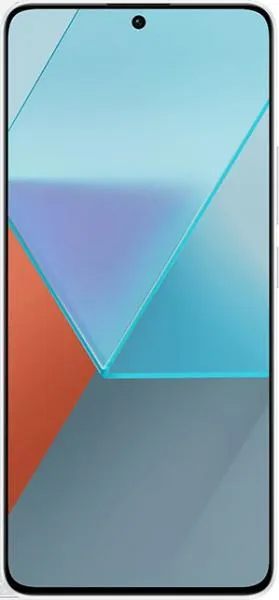

1. Specifications Comparison
| Feature | Xiaomi Redmi Note 13 Pro | Honor 200 | Practical Impact |
|---|---|---|---|
| Design | |||
| Dimensions | 161.2x74.2x8mm | 161.5x74.6x7.7mm | Virtually identical in size; Honor 200 slightly thinner. Negligible difference in hand feel. |
| Weight | 187g | 187g | Identical weight; no discernible difference in handling. |
| Display | |||
| Size | 6.67" | 6.7" | Negligible size difference. |
| Type | AMOLED, 68B colors, 120Hz | OLED, 1B colors, 120Hz | Both offer smooth scrolling and vibrant colors. Redmi's AMOLED with 68B colors might offer slightly smoother color gradients, but discernible difference is unlikely for most users. |
| Peak Brightness | 1800 nits | 4000 nits | Honor 200 significantly brighter outdoors. Content will be much easier to see in direct sunlight. |
| Resolution | 1220x2712 | 1200x2664 | Redmi has a slightly higher resolution, resulting in marginally sharper text. Difference is unlikely to be noticeable in everyday use. |
| Performance | |||
| Chipset | Snapdragon 7s Gen 2 (4nm) | Snapdragon 7 Gen 3 (4nm) | Honor 200 has a newer, more powerful chipset. Expect noticeably better performance in demanding tasks and games. |
| CPU | Octa-core (4x2.4 GHz A78 & 4x1.95 GHz A55) | Octa-core (1x2.63 GHz A715 & 4x2.4 GHz A715 & 3x1.8 GHz A510) | Honor 200's CPU architecture is more efficient and powerful. |
| GPU | Adreno 710 | Adreno 720 | Honor 200 has a significantly more powerful GPU. Expect smoother gaming and faster graphics rendering. |
| RAM/Storage | Multiple options up to 12GB/512GB | 12GB/256GB or 12GB/512GB | Both offer ample RAM for multitasking. Storage options are similar, catering to different needs. |
| Battery | |||
| Capacity | 5100 mAh | 5200 mAh | Marginally larger battery in the Honor 200. Real-world battery life will depend more on software optimization and usage patterns. |
| Camera | |||
| Video Capabilities | 4K@30fps (EIS), 1080p up to 120fps (EIS) | 4K@30fps (OIS, EIS), 1080p up to 60fps (OIS, EIS) | Honor 200 benefits from Optical Image Stabilization (OIS) for smoother video recording, particularly noticeable when moving. Redmi offers a higher frame rate at 1080p for slow-motion capture. No detailed camera sensor specifications are provided to compare image quality. |
| Software | |||
| OS | Android 13 | Android 14 | Honor 200 ships with a newer Android version, offering potential benefits in features and security. Redmi is likely to receive updates to Android 14, though timing is unknown. |
2. Key Differences Analysis
Honor 200 Advantages:
- Significantly more powerful processor and GPU: Leads to smoother performance in demanding applications and games.
- Brighter display: Easier to view outdoors in bright sunlight.
- Newer Android OS: Access to latest features and security updates.
- Optical Image Stabilization (OIS) in video recording: Results in noticeably smoother videos.
Xiaomi Redmi Note 13 Pro Advantages:
- Potentially wider color gamut (68B vs 1B): May result in subtly smoother color transitions (real-world impact may be minimal).
- Higher resolution display: Marginally sharper text, but unlikely to be noticeable in daily use.
- More RAM/Storage configuration options: Caters to a broader range of budget and storage needs.
- Higher frame rate video recording (1080p@120fps): Enables better slow-motion capture.
3. User Profiles & Recommendations
Honor 200: Ideal for users who prioritize performance, a bright display for outdoor use, and smoother video recording. Gamers, power users, and those who frequently use their phone in sunlight will benefit most.
Xiaomi Redmi Note 13 Pro: Suitable for users seeking a balance of features and affordability. Users prioritizing a wider range of storage/RAM options and slow-motion video capture might prefer this device.
4. Decision Framework
Key Questions for Buyers:
- What is your budget and desired storage capacity?
- Do you prioritize performance for gaming or demanding applications?
- How important is outdoor visibility and video stability?
Scenario-Based Recommendations:
- Heavy gamer: Honor 200 for its superior performance.
- Outdoor enthusiast: Honor 200 for its brighter display.
- Budget-conscious user: Redmi Note 13 Pro offers good value if top-tier performance is not critical.
- Content creator focusing on slow-motion: Redmi Note 13 Pro for its 120fps recording at 1080p.
My Choice: Honor 200
While the Redmi Note 13 Pro offers a compelling package, the Honor 200's superior performance due to the Snapdragon 7 Gen 3, significantly brighter display, and the inclusion of OIS for video recording make it the better overall device for me. These are key features that significantly enhance the user experience in everyday scenarios. The newer Android OS also ensures longer software support and access to the latest features. While the Redmi has some advantages like potentially better slow-motion video and more RAM/Storage configurations, the performance difference and brighter screen are more compelling factors in my decision.
