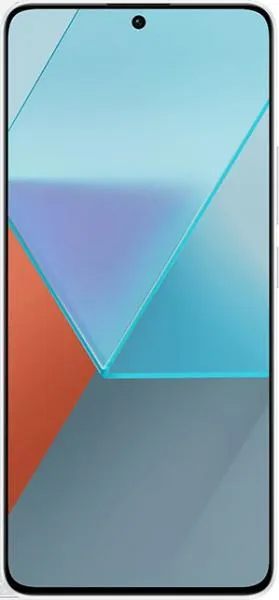

1. Specifications Comparison
| Feature | Xiaomi Redmi Note 13 Pro | Google Pixel 9 Pro XL | Practical Impact |
|---|---|---|---|
| Design | |||
| Dimensions (mm) | 161.2 x 74.2 x 8 | 162.8 x 76.6 x 8.5 | Pixel is slightly larger and thicker. Redmi is potentially more pocketable. |
| Weight (g) | 187 | 221 | Redmi is significantly lighter, reducing hand fatigue during extended use. |
| Build Materials | Not specified | Not specified | Cannot compare build quality and durability. |
| Display | |||
| Size (inches) | 6.67 | 6.8 | Pixel offers a slightly larger viewing area for media consumption. |
| Type | AMOLED, 120Hz | LTPO OLED, 120Hz | Both offer smooth scrolling and animations. LTPO on Pixel allows for dynamic refresh rate adjustment, potentially saving battery. |
| Resolution | 1220 x 2712 | 1344 x 2992 | Pixel has a sharper display due to higher resolution. |
| Peak Brightness (nits) | 1800 | 3000 | Pixel's significantly higher peak brightness ensures better visibility in direct sunlight. |
| Performance | |||
| Chipset | Snapdragon 7s Gen 2 (4nm) | Google Tensor G4 (4nm) | Tensor G4 is expected to be more powerful, especially in AI tasks, but real-world performance depends on optimization. |
| CPU | Octa-core (4x2.4 GHz A78 & 4x1.95 GHz A55) | Octa-core (1x3.1 GHz X4 & 3x2.6 GHz A720 & 4x1.92 GHz A520) | Tensor G4's architecture suggests superior single-core and potentially multi-core performance compared to the 7s Gen 2. |
| GPU | Adreno 710 | Mali-G715 MC7 | Gaming performance comparison requires real-world testing, but Mali-G715 MC7 generally offers good performance. |
| RAM | 8/12GB | 16GB | Pixel offers more RAM, enabling better multitasking and smoother performance with demanding apps. |
| Storage | 256/512GB | 256/512/1000GB | Pixel offers a 1TB storage option for users needing extensive local storage. |
| Camera | |||
| Rear Camera | Not specified | Not specified | Camera quality comparison is impossible without detailed sensor and lens information. |
| Video | 4K@30fps | Up to 8K@30fps | Pixel boasts superior video recording capabilities with higher resolution and frame rate options. |
| Battery | |||
| Capacity (mAh) | 5100 | 5060 | Similar battery capacities, but real-world battery life depends on software optimization and usage patterns. |
| Charging Speed | Not specified | Not specified | Cannot compare charging speeds without specific data. |
2. Key Differences Analysis
Xiaomi Redmi Note 13 Pro Advantages:
- Lighter and more compact: Easier to handle and carry.
- Potentially more affordable: Belongs to a medium price range.
Google Pixel 9 Pro XL Advantages:
- More powerful processor: Expected to deliver superior overall and AI performance.
- Sharper and brighter display: Enhanced media consumption and outdoor visibility.
- More RAM: Smoother multitasking and handling of demanding applications.
- Superior video recording capabilities: Higher resolution and frame rate options.
- Longer software support: Pixel phones typically receive longer OS and security updates.
Trade-offs:
- Pixel's higher price: Premium features come at a cost.
- Pixel's larger size and weight: May not be ideal for users preferring compact phones.
3. User Profiles & Recommendations
Xiaomi Redmi Note 13 Pro:
- Budget-conscious users: Seeking a well-rounded phone without breaking the bank.
- Users prioritizing portability: Preferring a lighter and more compact device.
- Casual users: Primarily using their phone for basic tasks like calling, texting, and social media.
Google Pixel 9 Pro XL:
- Power users: Demanding top-tier performance for gaming, multitasking, and demanding applications.
- Photography and videography enthusiasts: Requiring high-quality camera capabilities and advanced features.
- Users valuing software updates: Prioritizing long-term security and access to the latest Android features.
- Users who consume a lot of media: Benefitting from the larger, sharper, and brighter display.
4. Decision Framework
Key Questions for Buyers:
- What is your budget? The Redmi Note 13 Pro is a more budget-friendly option.
- What level of performance do you need? The Pixel 9 Pro XL offers significantly higher performance.
- What are your priorities in terms of size, weight, and battery life? The Redmi is lighter and more compact, while battery life needs further testing for both.
Scenario-Based Recommendations:
- Limited budget, casual usage: Redmi Note 13 Pro
- Demanding tasks, prioritize performance and latest features: Pixel 9 Pro XL
- Balance of performance, features, and price: Further research is needed to determine if the Pixel 9 Pro XL's price premium justifies the performance gains over potentially cheaper alternatives with comparable features.
My Choice: Google Pixel 9 Pro XL
While lacking specific camera details limits a complete assessment, the Pixel 9 Pro XL is my choice. The Tensor G4's expected performance advantage, coupled with the superior display, larger RAM, and longer software support, outweighs the price difference and larger size for my needs. I prioritize a smooth user experience, future-proof software, and excellent media consumption capabilities. The commitment to long-term updates ensures the phone remains secure and relevant for longer. The Redmi Note 13 Pro is a compelling option for budget-conscious buyers, but the Pixel's advantages align better with my personal preferences and usage patterns.
