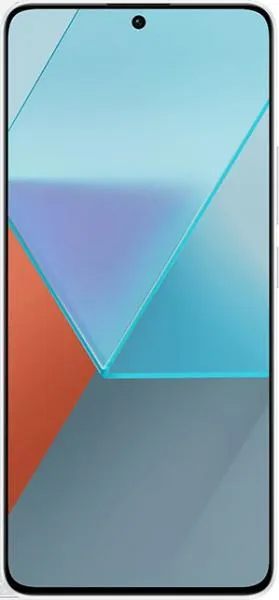
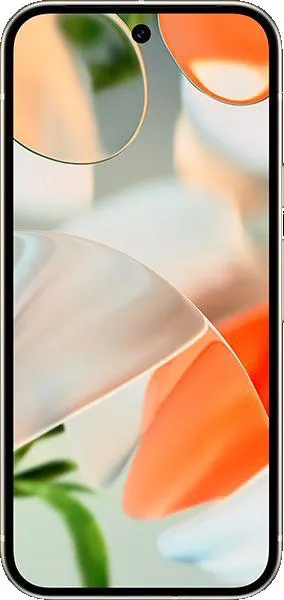
1. Specifications Comparison
| Feature | Xiaomi Redmi Note 13 Pro | Google Pixel 9 | Practical Impact |
|---|---|---|---|
| Design | |||
| Dimensions | 161.2x74.2x8mm | 152.8x72x8.5mm | Pixel 9 is noticeably more compact, making one-handed use easier. Redmi is slightly thinner. |
| Weight | 187g | 198g | Pixel 9 is heavier, potentially noticeable during extended use. |
| Display | |||
| Display Type | AMOLED, 68B colors | OLED | Both offer excellent color accuracy and deep blacks. Redmi's 68B color support might offer slightly smoother color gradients, but the difference would be subtle in most real-world scenarios. |
| Size | 6.67" | 6.3" | Redmi offers a larger screen for more immersive media consumption. Pixel offers better one-hand usability. |
| Resolution | 1220x2712 | 1080x2424 | Redmi boasts a sharper display (446ppi vs 422ppi), resulting in crisper text and images. However, the difference might not be perceptible to all users. |
| Peak Brightness | 1800 nits | 2700 nits | Pixel 9 significantly brighter peak brightness ensures superior outdoor visibility. |
| Refresh Rate | 120Hz | 120Hz | Both offer smooth scrolling and animations. |
| Performance | |||
| Chipset | Snapdragon 7s Gen 2 | Google Tensor G4 | Tensor G4 is generally considered more powerful, especially in AI and machine learning tasks. Snapdragon 7s Gen 2 offers good performance for everyday tasks. |
| CPU | Octa-core (4x2.4 GHz A78 & 4x1.95 GHz A55) | Octa-core (1x3.1 GHz X4 & 3x2.6 GHz A720 & 4x1.92 GHz A520) | Pixel 9's CPU architecture, featuring a powerful Cortex-X4 core, should provide superior performance in demanding applications and multitasking. |
| GPU | Adreno 710 | Mali-G715 MC7 | Mali-G715 MC7 generally delivers better graphical performance, making the Pixel 9 better suited for gaming. |
| RAM | Up to 12GB | 12GB | Both offer ample RAM for smooth multitasking. |
| Storage | Up to 512GB | 256GB | Redmi offers larger storage options. Pixel's single 256GB option might be limiting for some users. |
| Camera | No camera specifications were provided, limiting a detailed comparison. | ||
| Battery | |||
| Capacity | 5100 mAh | 4700 mAh | Redmi has a larger battery, potentially leading to longer battery life. Real-world usage will depend on optimization and individual usage patterns. |
| Software | |||
| OS | Android 13 | Android 14 | Pixel 9 ships with the latest Android version and is expected to receive longer software updates directly from Google. |
2. Key Differences Analysis
Xiaomi Redmi Note 13 Pro Advantages:
- Larger Display: More immersive for media consumption.
- Sharper Display: Slightly crisper text and images.
- Larger Battery: Potential for longer battery life.
- Larger Storage Options: More flexibility for storing files.
- More Color Options: Greater personalization.
Google Pixel 9 Advantages:
- More Compact Design: Easier one-handed use.
- Brighter Display: Superior outdoor visibility.
- More Powerful Chipset & GPU: Better performance for demanding tasks and gaming.
- Latest Android Version and Longer Software Support: Ensures access to new features and security updates for a longer period.
- Potentially better Camera: Pixel phones are known for excellent camera performance. However, detailed comparison is impossible without specifications.
3. User Profiles & Recommendations
Xiaomi Redmi Note 13 Pro:
- Ideal User: Budget-conscious users prioritizing a large, sharp display, long battery life, and ample storage.
- Use Cases: Media consumption, everyday tasks, casual gaming.
Google Pixel 9:
- Ideal User: Users prioritizing performance, software updates, a compact form factor, and a bright display. Users who heavily rely on their phone's camera.
- Use Cases: Demanding applications, gaming, photography, staying up-to-date with the latest Android features.
4. Decision Framework
Key Questions for Buyers:
- What is your budget? Both are mid-range, but specific pricing might influence the decision.
- What screen size do you prefer? Larger screen for media or smaller for one-handed use?
- What are your performance needs? Casual use or demanding tasks and gaming? How important is camera quality?
My Choice: Google Pixel 9
While the Redmi Note 13 Pro offers a compelling package with its larger display and battery, I would choose the Google Pixel 9. The Tensor G4's superior performance, especially its AI capabilities, combined with the guarantee of longer software updates and generally better camera performance (even without specific data available, Pixel's track record is strong), makes it a more future-proof and compelling device for me. The brighter display is crucial for outdoor use, and the more compact form factor aligns with my preference. While the smaller battery capacity is a slight concern, the potential for better software optimization in the Pixel could offset this difference in real-world usage. I prioritize performance, software updates, and a premium user experience over a larger display and battery, making the Pixel 9 the better choice for my needs. I am also willing to pay a slight premium if necessary for the better overall package offered by the Pixel.
