1. Specifications Comparison
| Feature | Xiaomi Redmi Note 13 Pro | Google Pixel 8a | Practical Impact |
|---|---|---|---|
| Design | |||
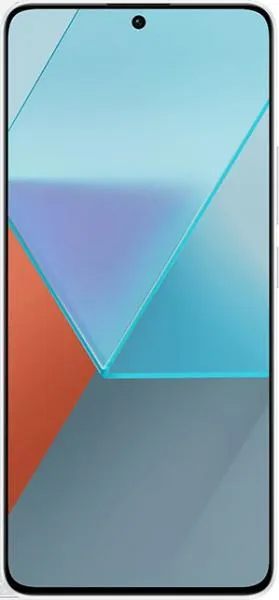
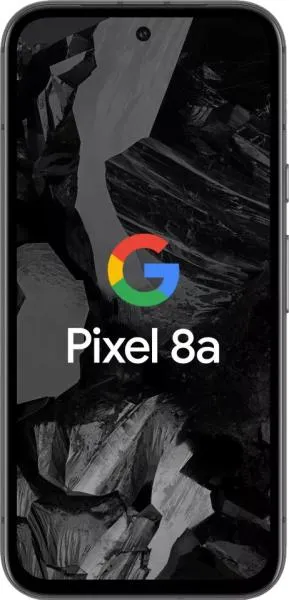
| Dimensions | 161.2 x 74.2 x 8 mm | 152.1 x 72.7 x 8.9 mm | Pixel 8a is slightly smaller and thicker. Redmi is taller and narrower. |
| Weight | 187g | 188g | Negligible weight difference. |
| Build Materials | Not specified | Not specified | Cannot compare build quality and durability. |
| Display | |||
| Size | 6.67" | 6.1" | Redmi offers a significantly larger screen for media consumption. Pixel 8a is more pocketable. |
| Type | AMOLED, 120Hz | OLED, 120Hz | Both offer smooth scrolling and animations. AMOLED generally offers deeper blacks. |
| Resolution | 1220 x 2712 | 1080 x 2400 | Redmi has a sharper display (446 ppi vs 430 ppi), but the difference may not be noticeable in everyday use. |
| Peak Brightness | 1800 nits | 2000 nits | Pixel 8a offers slightly higher peak brightness, potentially improving outdoor visibility. |
| Performance | |||
| Chipset | Snapdragon 7s Gen 2 (4nm) | Google Tensor G3 (4nm) | Tensor G3 is generally considered more powerful, especially in AI tasks. Snapdragon 7s Gen 2 should still provide good performance for everyday tasks. |
| CPU | Octa-core (4x2.4 GHz & 4x1.95 GHz) | Nona-core (1x3.0 GHz & 4x2.45 GHz & 4x2.15 GHz) | Tensor G3's more powerful cores and architecture likely provide better multi-tasking and demanding application performance. |
| GPU | Adreno 710 | Immortalis-G715s MC10 | Immortalis-G715s MC10 should offer superior gaming performance compared to the Adreno 710. |
| RAM | 8GB/12GB | 8GB | Redmi offers a 12GB RAM option for potentially better multitasking, though 8GB is sufficient for most users. |
| Storage | 256GB/512GB | 256GB | Redmi offers a larger 512GB storage option. |
| Camera | |||
| Rear Camera | Not specified | Not specified | Cannot compare camera quality and features. |
| Video | Up to 4K@30fps | Up to 4K@60fps & 1080p@240fps | Pixel 8a supports higher resolution and frame rate video recording, including slow-motion at 1080p@240fps |
| Battery | |||
| Capacity | 5100 mAh | 4492 mAh | Redmi has a larger battery, potentially leading to longer battery life. Real-world usage will vary. |
| Charging | Not specified | Not specified | Cannot compare charging speeds. |
| Software | |||
| OS | Android 13 | Android 14 | Pixel 8a comes with the latest Android version and will likely receive longer software updates directly from Google. |
2. Key Differences Analysis
Xiaomi Redmi Note 13 Pro Advantages:
- Larger Display: Better for media consumption and multitasking.
- Larger Battery: Potentially longer battery life.
- Higher Resolution Display: Sharper images and text, though the difference might be subtle.
- More Storage Options: Offers a 512GB option for users needing ample storage.
Google Pixel 8a Advantages:
- More Powerful Processor: Better performance for demanding tasks and gaming.
- Superior Video Recording Capabilities: Higher resolution and frame rates, along with slow-motion recording.
- Latest Android Version and Longer Software Support: Ensures access to new features and security updates for a longer period.
- Potentially Better Camera Processing: Pixel phones are renowned for their computational photography capabilities, though specific camera details are missing.
3. User Profiles & Recommendations
Xiaomi Redmi Note 13 Pro: Ideal for users who prioritize media consumption, battery life, and a large display. Suitable for casual gaming and everyday tasks.
Google Pixel 8a: Best suited for users who value performance, camera quality (assuming Pixel's usual camera excellence), the latest software, and longer software updates. Good for demanding tasks, gaming, and mobile photography/videography.
4. Decision Framework
Key Questions for Buyers:
- What is your budget and storage requirement?
- What are your primary use cases (e.g., media consumption, gaming, photography)?
- How important are software updates and long-term support?
My Choice: Google Pixel 8a
While the Redmi Note 13 Pro boasts a larger display and battery, I would choose the Google Pixel 8a. The Tensor G3 chip offers a significant performance advantage, especially for future-proofing. The Pixel's consistently excellent camera software (even without detailed specs, history suggests this), combined with superior video recording capabilities, are compelling. Furthermore, the longer software update commitment from Google ensures a more secure and feature-rich experience in the long run. While the smaller battery might be a concern, the performance and software advantages outweigh it for my personal preferences. I value a smooth, future-proof experience with a great camera, and the Pixel 8a delivers that better than the Redmi Note 13 Pro. The slightly smaller display is a trade-off I'm willing to make for these benefits.
