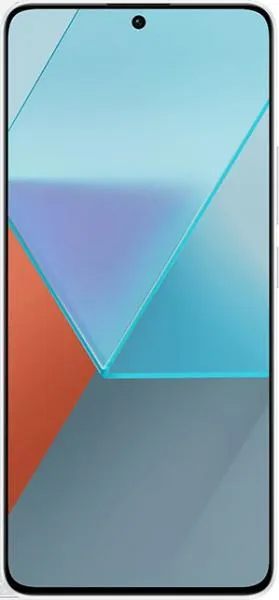

1. Specifications Comparison
| Feature | Category | Xiaomi Redmi Note 13 Pro | Google Pixel 8 Pro | Practical Impact |
|---|---|---|---|---|
| Dimensions | Design | 161.2 x 74.2 x 8 mm | 162.6 x 76.5 x 8.8 mm | Pixel 8 Pro is slightly larger and thicker. Redmi is marginally more pocketable. |
| Weight | Design | 187g | 213g | Noticeable weight difference; Redmi is more comfortable for extended use. |
| Build | Design | Missing | Missing | Material differences (e.g., glass vs. plastic) impact durability and premium feel. This information is missing. |
| Display Type | Display | AMOLED, 120Hz | LTPO OLED, 120Hz | Both offer smooth scrolling. LTPO allows for more granular refresh rate control, potentially saving battery. |
| Display Size | Display | 6.67" | 6.7" | Negligible size difference. |
| Resolution | Display | 1220 x 2712 | 1344 x 2992 | Pixel 8 Pro has a sharper display due to higher resolution. |
| Peak Brightness | Display | 1800 nits | 2400 nits | Pixel 8 Pro offers significantly better outdoor visibility. |
| Chipset | Performance | Snapdragon 7s Gen 2 | Google Tensor G3 | Tensor G3 focuses on AI and machine learning, while Snapdragon 7s Gen 2 aims for balanced performance. Real-world performance differences need benchmarking. |
| CPU | Performance | Octa-core (4x2.4 GHz A78 & 4x1.95 GHz A55) | Nona-core (1x3.0 GHz X3 & 4x2.45 GHz A715 & 4x2.15 GHz A510) | Pixel 8 Pro's more modern CPU architecture, particularly the Cortex-X3, likely offers a performance advantage in demanding tasks. |
| GPU | Performance | Adreno 710 | Immortalis-G715s MC10 | Pixel 8 Pro likely has a stronger GPU, benefiting gaming and graphically intensive applications. Real-world gaming performance comparisons are needed. |
| RAM | Performance | 8GB/12GB | 12GB | Pixel 8 Pro offers more RAM in all configurations, enabling better multitasking. |
| Storage | Performance | 256/512GB | 128/256/512/1TB | Pixel offers a wider range of storage options, including a larger 1TB option. |
| Battery Capacity | Battery | 5100 mAh | 5050 mAh | Negligible difference in battery capacity. Real-world battery life depends on optimization and usage. |
| OS | Software | Android 13 | Android 14 | Pixel 8 Pro ships with the latest Android version and will receive longer software updates. |
| Camera - Rear | Camera | Missing detailed specs | Missing detailed specs | Cannot compare camera quality without sensor size, aperture, and other details. |
| Video Capabilities | Camera | Up to 4K@30fps | Up to 4K@60fps, 1080p@240fps | Pixel 8 Pro offers higher resolution and frame rate video recording options including slow-motion capabilities. |
2. Key Differences Analysis
Xiaomi Redmi Note 13 Pro Advantages:
- Lighter and More Compact: Noticeably lighter, making it more comfortable for one-handed use and extended periods.
- Potentially More Affordable: Belongs to the "medium price" range, likely costing less than the Pixel 8 Pro.
Google Pixel 8 Pro Advantages:
- Sharper Display: Higher resolution and peak brightness lead to a superior visual experience.
- More Powerful Performance: More modern and powerful CPU and GPU architecture. Expected to perform better in demanding tasks and gaming.
- Longer Software Support: Guaranteed to receive more OS updates and security patches.
- More RAM and Storage Options: Offers more RAM across all models and a wider range of storage options, including a 1TB variant.
- Superior Video Recording: Offers higher resolution and frame rate video recording capabilities.
3. User Profiles & Recommendations
Xiaomi Redmi Note 13 Pro:
- Budget-conscious users: Prioritize affordability without sacrificing essential features.
- Users seeking a lightweight and comfortable phone: Value ease of handling and portability.
Google Pixel 8 Pro:
- Power users: Demand top-tier performance for gaming, multitasking, and demanding applications.
- Photography and Videography enthusiasts: Value high-quality cameras and advanced video recording features. (Assuming based on Pixel history, but detailed camera specs are needed).
- Users prioritizing software updates and longevity: Desire the latest features and security patches for an extended period.
4. Decision Framework
Key Questions for Buyers:
- What is your budget? The Redmi Note 13 Pro is likely more affordable.
- What level of performance do you need? The Pixel 8 Pro offers a significant performance advantage.
- How important are software updates and longevity? The Pixel 8 Pro will receive longer support.
Scenario-Based Recommendations:
- Limited Budget: Redmi Note 13 Pro
- Best Overall Performance: Pixel 8 Pro
- Long-Term Use and Latest Features: Pixel 8 Pro
My Choice: Google Pixel 8 Pro
While missing some key specifications like camera details and build materials makes a fully informed decision challenging, based on the available information, I would choose the Google Pixel 8 Pro. The superior performance stemming from the Tensor G3 chip, longer software support, sharper display, and enhanced video recording capabilities outweigh the benefits of the Redmi Note 13 Pro's lighter weight and potential lower price for my personal needs. I prioritize a smooth, future-proof user experience with consistent performance over several years. The commitment to long-term software updates, coupled with the powerful hardware, positions the Pixel 8 Pro as a more valuable device in the long run. However, if budget is a primary concern and top-tier performance isn't crucial, the Redmi Note 13 Pro presents a compelling alternative.
