1. Specifications Comparison
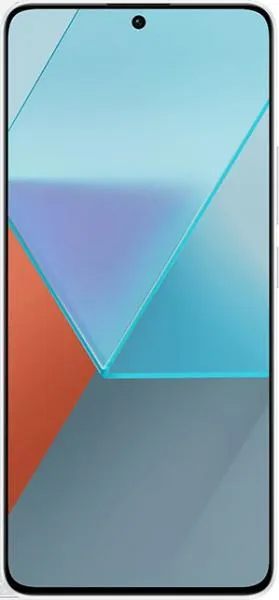
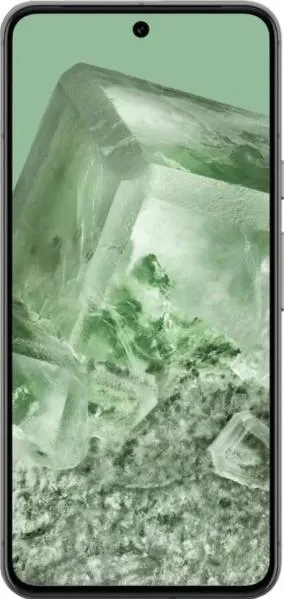
| Feature | Xiaomi Redmi Note 13 Pro | Google Pixel 8 | Practical Impact |
|---|---|---|---|
| Design | |||
| Dimensions | 161.2 x 74.2 x 8 mm | 150.5 x 70.8 x 8.9 mm | Pixel 8 is noticeably smaller and slightly thicker, making it potentially more pocketable but possibly less grippy. |
| Weight | 187g | 187g | Identical weight, negating portability differences based on size alone. |
| Build Materials | Not specified | Not specified | Cannot compare build quality and feel without material information. |
| Display | |||
| Display Type | AMOLED, 68B colors | OLED | Both offer excellent contrast and vivid colors. Redmi boasts a wider color gamut (68B vs. standard OLED), potentially offering subtly richer visuals for content creation. |
| Size | 6.67" | 6.2" | Redmi's larger display provides more immersive content consumption but sacrifices one-handed usability. |
| Resolution | 1220 x 2712 (FHD+) | 1080 x 2400 (FHD+) | Redmi packs more pixels per inch (446 ppi vs 428 ppi), resulting in slightly sharper text and images. However, the difference is negligible in everyday use. |
| Peak Brightness | 1800 nits | 2000 nits | Pixel 8's higher peak brightness ensures better outdoor visibility in direct sunlight. |
| Refresh Rate | 120Hz | 120Hz | Both offer smooth scrolling and animations, enhancing responsiveness. |
| Performance | |||
| Chipset | Snapdragon 7s Gen 2 (4nm) | Google Tensor G3 (4nm) | Tensor G3, being Google's flagship chip, is expected to deliver superior overall performance and AI capabilities compared to the mid-range Snapdragon 7s Gen 2. |
| CPU | Octa-core (4x2.4 GHz Cortex-A78 & 4x1.95 GHz Cortex-A55) | Nona-core (1x3.0 GHz Cortex-X3 & 4x2.45 GHz Cortex-A715 & 4x2.15 GHz Cortex-A510) | Tensor G3's more modern and powerful CPU architecture, including a Cortex-X3 core, translates to significantly faster processing for demanding tasks and multitasking. |
| GPU | Adreno 710 | Immortalis-G715s MC10 | Immortalis-G715s MC10 should offer significantly improved gaming performance compared to the Adreno 710. |
| RAM | 8GB/12GB | 8GB | Redmi offers a 12GB RAM option, potentially beneficial for heavy multitasking, though 8GB is sufficient for most users. |
| Storage | 256GB/512GB | 256GB | Redmi offers a higher storage option (512GB) for users needing ample space for media and files. |
| Battery | |||
| Capacity | 5100 mAh | 4575 mAh | Redmi's larger battery capacity suggests longer battery life. However, real-world usage depends on optimization and individual usage patterns. |
| Charging Speed | Not specified | Not specified | Charging speed comparison is impossible without this information. |
| Camera | |||
| Video Capabilities | Up to 4K@30fps with EIS | Up to 4K@60fps with OIS and EIS | Pixel 8 offers superior video recording capabilities with higher resolution (4K@60fps), Optical Image Stabilization (OIS) for smoother footage, and HDR recording. |
| Specific Camera Sensors | Not specified | Not specified | Detailed camera sensor specifications are missing, limiting a comprehensive camera comparison. |
2. Key Differences Analysis
Xiaomi Redmi Note 13 Pro Advantages:
- Larger Display: More immersive for media consumption.
- Higher Resolution Display: Marginally sharper visuals.
- Larger Battery: Potentially longer battery life.
- Higher Storage Option: More space for files and media.
- More RAM Options: Potentially better for heavy multitasking with the 12GB option.
Google Pixel 8 Advantages:
- More Powerful Chipset/CPU/GPU: Significantly better performance for demanding tasks and gaming.
- Smaller Form Factor: Easier one-handed use and portability.
- Brighter Display: Enhanced outdoor visibility.
- Superior Video Recording: Higher resolution, frame rates, and OIS for smoother, higher quality videos.
- More Advanced OS and longer software support: Android 14 with guaranteed updates to Android 21.
3. User Profiles & Recommendations
Redmi Note 13 Pro: Suited for budget-conscious users prioritizing media consumption, long battery life, and ample storage. Ideal for users who primarily use their phones for browsing, streaming, and social media.
Pixel 8: Best for users who value performance, a compact form factor, a great camera, especially video recording, and the latest software with extended support. Ideal for users who engage in demanding tasks, mobile gaming, and photography/videography.
4. Decision Framework
Key Questions for Buyers:
- What is your budget? The Redmi Note 13 Pro is likely more affordable.
- What are your primary phone usage patterns? Media consumption vs. demanding tasks/gaming.
- Do you prioritize software updates and longevity? The Pixel 8 will receive significantly longer software and security updates.
Scenario-Based Recommendations:
- Tight Budget, Media Consumption Focus: Redmi Note 13 Pro
- Performance and Camera Focused: Pixel 8
- Latest Software and Long-Term Support: Pixel 8
My Choice: Google Pixel 8
While the Redmi Note 13 Pro offers enticing features like a larger display and battery, the Pixel 8's superior performance, significantly better camera for video recording, compact form factor, and the promise of longer software support make it the more compelling choice for me. The Tensor G3 chip provides a noticeable performance advantage for demanding tasks and future-proofs the device better than the Snapdragon 7s Gen 2. Google's commitment to software updates ensures a longer lifespan and better security. Although I enjoy larger displays, the Pixel 8's size is more manageable for everyday use. The difference in battery capacity is likely offset by the Tensor G3's efficiency. Ultimately, I prioritize a smooth, powerful, and future-proof experience, which the Pixel 8 delivers.
