1. Specifications Comparison
| Feature | Xiaomi Redmi Note 13 Pro | Cubot KingKong X | Practical Impact |
|---|---|---|---|
| Design | |||
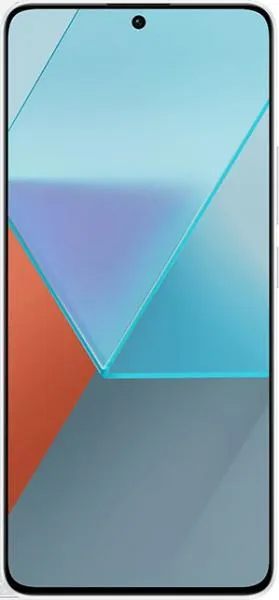
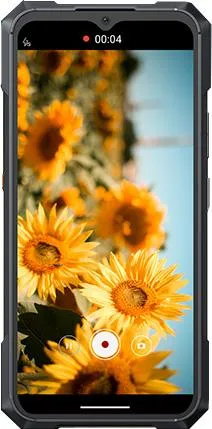
| Dimensions (mm) | 161.2 x 74.2 x 8 | 170.9 x 82.2 x 18.7 | Redmi is significantly slimmer and lighter, making it more pocketable and comfortable for one-handed use. Cubot is much larger and heavier, likely more rugged. |
| Weight (g) | 187 | 388 | |
| Build Materials | Not specified | Not specified | Cannot compare durability and premium feel without this information. |
| Display | |||
| Display Type | AMOLED, 68B colors, 120Hz, Dolby Vision | IPS LCD, 120Hz | Redmi's AMOLED offers richer colors, deeper blacks, and better power efficiency. Dolby Vision support further enhances HDR content. Cubot's IPS LCD is likely less vibrant and power-hungry. |
| Size (inches) | 6.67 | 6.58 | Negligible difference in screen real estate. |
| Resolution | 1220 x 2712 | 1080 x 2408 | Redmi has a significantly sharper display (446 ppi vs 401 ppi), resulting in clearer text and images. |
| Peak Brightness (nits) | 1800 | Not specified | Redmi's display will be much more visible in direct sunlight. Cubot's peak brightness is unknown, limiting comparison. |
| Performance | |||
| Chipset | Snapdragon 7s Gen 2 (4nm) | Mediatek Dimensity 7050 (6nm) | Both are mid-range chipsets, but the Snapdragon 7s Gen 2 is generally considered slightly more powerful and efficient due to the smaller manufacturing process. |
| CPU | Octa-core (4x2.4 GHz A78 & 4x1.95 GHz A55) | Octa-core (2x2.6 GHz A78 & 6x2.0 GHz A55) | While Cubot has a slightly higher clock speed on its performance cores, the overall architecture and real-world performance differences need further benchmarking. |
| GPU | Adreno 710 | Mali-G68 MC4 | Adreno 710 generally offers better gaming performance compared to the Mali-G68 MC4. |
| RAM | 8GB/12GB | 16GB | Cubot offers more RAM, potentially benefiting multitasking and demanding applications. However, RAM alone doesn't guarantee superior performance. |
| Storage | 256GB/512GB | 512GB | Similar storage options. |
| Camera | |||
| Rear Camera | Not specified | Not specified | Camera quality cannot be compared without specific sensor details and features. |
| Video | 4K@30fps (EIS), 1080p@ various fps (EIS) | 4K@30fps, 1080p@30fps | Redmi offers more video recording options and Electronic Image Stabilization (EIS) for smoother footage. |
| Battery | |||
| Capacity (mAh) | 5100 | 10200 | Cubot has a significantly larger battery capacity, potentially lasting much longer on a single charge. However, real-world battery life depends on various factors like display, chipset, and software optimization. |
2. Key Differences Analysis
Xiaomi Redmi Note 13 Pro Advantages:
- Superior Display: AMOLED with higher resolution, brightness, and Dolby Vision support provides a significantly better viewing experience.
- Slimmer and Lighter: More comfortable for everyday use and portability.
- Slightly More Powerful Chipset: Potentially smoother performance in demanding tasks and gaming.
Cubot KingKong X Advantages:
- Much Larger Battery: Potentially significantly longer battery life.
- More RAM: May benefit heavy multitasking.
3. User Profiles & Recommendations
Redmi Note 13 Pro: Users who prioritize display quality, a sleek design, and overall performance. Suitable for media consumption, gaming, and general use.
Cubot KingKong X: Users who prioritize extremely long battery life and potentially need a more rugged device (although this can't be confirmed without build material specs). Suitable for outdoor activities, extended travel without charging access, and users who heavily multitask.
4. Decision Framework
Key Questions:
- What is your budget? Both are mid-range but specific pricing is needed for a true value comparison.
- How important is display quality and a slim design? Redmi excels here.
- How crucial is battery life? Cubot likely offers significantly longer battery life.
My Choice: Xiaomi Redmi Note 13 Pro
While the Cubot KingKong X boasts a massive battery and more RAM, the Redmi Note 13 Pro offers a significantly better user experience in key areas. The superior AMOLED display, slimmer design, and likely more powerful chipset make it a more well-rounded device for everyday use. The lack of key specifications for the Cubot, such as display brightness and build materials, makes it difficult to fully assess its durability and overall quality. For me, the superior display and design of the Redmi outweigh the potential benefit of the Cubot's larger battery. I value a comfortable and enjoyable user experience over purely maximizing battery life. If battery life is the absolute top priority, and the user is less sensitive to display quality or design, the Cubot might be a viable option, but pending further investigation into its build quality and real-world performance.
