1. Specifications Comparison
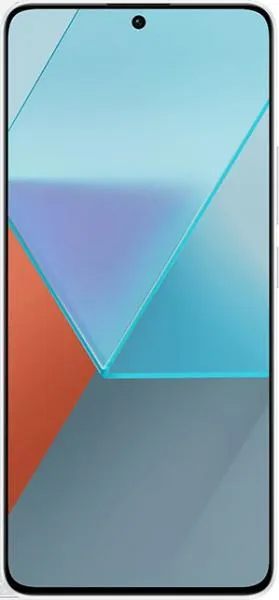
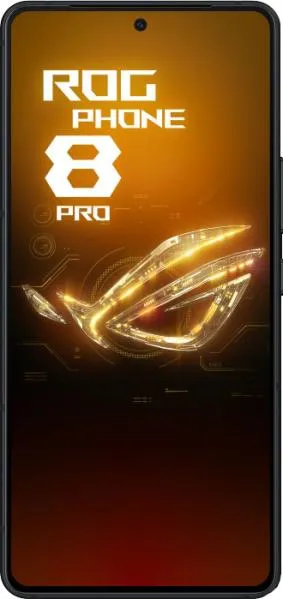
| Feature | Xiaomi Redmi Note 13 Pro | Asus ROG Phone 8 Pro | Practical Impact |
|---|---|---|---|
| Design | |||
| Dimensions | 161.2 x 74.2 x 8 mm | 163.8 x 76.8 x 8.9 mm | ROG Phone 8 Pro is larger and thicker. Redmi Note 13 Pro is more pocketable. |
| Weight | 187g | 225g | ROG Phone 8 Pro is significantly heavier, potentially less comfortable for extended use. |
| Display | |||
| Size | 6.67" | 6.78" | Negligible size difference in real-world usage. |
| Type | AMOLED, 120Hz | LTPO AMOLED, 165Hz | ROG Phone 8 Pro offers smoother scrolling and animations due to higher refresh rate and LTPO's dynamic refresh rate adjustment for power saving. |
| Resolution | 1220 x 2712 | 1080 x 2400 | Redmi Note 13 Pro has a sharper display due to higher pixel density (446 ppi vs 388 ppi). |
| Peak Brightness | 1800 nits | 2500 nits | ROG Phone 8 Pro offers better visibility in direct sunlight. |
| Performance | |||
| Chipset | Snapdragon 7s Gen 2 (4nm) | Snapdragon 8 Gen 3 (4nm) | ROG Phone 8 Pro boasts significantly better CPU and GPU performance, enabling smoother multitasking and high-end gaming. |
| CPU | Octa-core (4x2.4 GHz A78 & 4x1.95 GHz A55) | Octa-core (1x3.3 GHz X4 & 3x3.2 GHz A720 & 2x3.0 GHz A720 & 2x2.3 GHz A520) | ROG Phone 8 Pro's superior CPU architecture delivers faster processing speeds. |
| GPU | Adreno 710 | Adreno 750 | ROG Phone 8 Pro's more powerful GPU provides a significant advantage in gaming and graphics-intensive tasks. |
| RAM/Storage | Up to 12GB/512GB | 24GB/1000GB | ROG Phone 8 Pro offers more RAM and storage for demanding users and power users. |
| Battery | |||
| Capacity | 5100 mAh | 6000 mAh | ROG Phone 8 Pro has a larger battery, likely resulting in longer battery life despite its powerful hardware. |
| Camera | Not enough information to compare | Not enough information to compare | N/A |
2. Key Differences Analysis
Xiaomi Redmi Note 13 Pro Advantages:
- Sharper Display: Higher pixel density results in crisper visuals.
- More Compact and Lighter: Easier to handle and carry.
- Potentially More Affordable: While both are mid-range, the Redmi Note 13 Pro is likely priced lower.
Asus ROG Phone 8 Pro Advantages:
- Significantly More Powerful: Superior CPU and GPU for demanding tasks and gaming.
- Smoother Display: Higher refresh rate and LTPO technology for fluid visuals and power efficiency.
- Larger Battery: Potentially longer battery life.
- More RAM and Storage: Caters to power users and heavy multitaskers.
3. User Profiles & Recommendations
Xiaomi Redmi Note 13 Pro:
- Ideal User: Everyday users who prioritize a sharp display, compact design, and value for money.
- Use Cases: Web browsing, social media, casual gaming, media consumption.
Asus ROG Phone 8 Pro:
- Ideal User: Gamers, power users, and enthusiasts who demand top-tier performance, a smooth display, and ample storage.
- Use Cases: Demanding mobile gaming, video editing, heavy multitasking, content creation.
4. Decision Framework
Key Questions for Buyers:
- What is your budget? The ROG Phone 8 Pro will likely be more expensive.
- What are your primary use cases? Gaming and heavy tasks vs. everyday use.
- Do you prioritize portability and comfort or raw performance? The Redmi is lighter and more compact, while the ROG Phone is heavier but more powerful.
My Choice: Asus ROG Phone 8 Pro
While I appreciate the sharper display and portability of the Redmi Note 13 Pro, the significant performance advantage of the ROG Phone 8 Pro is the deciding factor for me. The Snapdragon 8 Gen 3, coupled with the higher refresh rate display and larger battery, provides a superior user experience for demanding tasks and gaming, which are important to me. I am willing to compromise on the slightly larger size and weight for the significant boost in performance and longevity provided by the more powerful hardware and larger battery. The ample RAM and storage future-proof the device, ensuring it remains capable for years to come.
