1. Specifications Comparison
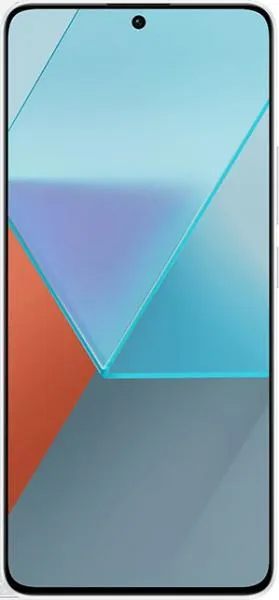
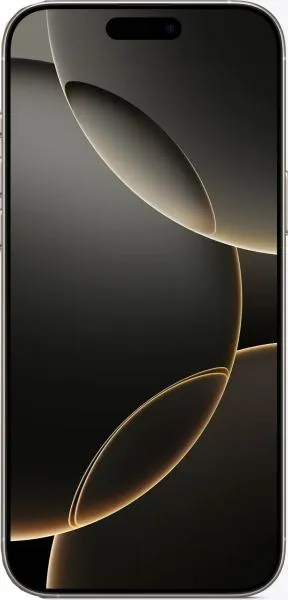
| Feature | Xiaomi Redmi Note 13 Pro | Apple iPhone 16 Pro Max | Practical Impact |
|---|---|---|---|
| Design | |||
| Dimensions | 161.2 x 74.2 x 8 mm | 163 x 77.6 x 8.3 mm | The iPhone 16 Pro Max is slightly larger and thicker. |
| Weight | 187g | 227g | The Redmi Note 13 Pro is noticeably lighter, potentially reducing hand fatigue during extended use. |
| Build Materials | Not specified | Not specified | Material choice impacts durability and premium feel; information is lacking for a complete comparison. |
| Display | |||
| Size | 6.67 inches | 6.9 inches | The iPhone offers a larger screen for more immersive content consumption. |
| Type | AMOLED, 120Hz | LTPO Super Retina XDR OLED, 120Hz | Both offer smooth scrolling and animations due to the 120Hz refresh rate. LTPO allows for more granular refresh rate control, potentially saving battery. |
| Resolution | 1220 x 2712 | 1320 x 2868 | The iPhone has a sharper display due to the higher resolution. |
| Peak Brightness | 1800 nits | 2000 nits (HBM) | The iPhone should offer slightly better visibility in direct sunlight. |
| Performance | |||
| Chipset | Snapdragon 7s Gen 2 (4nm) | Apple A18 Pro (3nm) | The A18 Pro is expected to significantly outperform the Snapdragon 7s Gen 2 in processing power and graphics performance. |
| CPU | Octa-core (4x2.40 GHz Cortex-A78 & 4x1.95 GHz Cortex-A55) | Hexa-core (2x4.05 GHz + 4x2.42 GHz) | Apple's custom core design usually leads to superior single-core and multi-core performance. |
| GPU | Adreno 710 | Apple GPU (6-core) | Apple's GPUs generally provide better gaming and graphics-intensive task performance. |
| RAM | 8GB/12GB | 8GB | While both offer sufficient RAM for most tasks, the Redmi offers a 12GB option for potentially better multitasking. |
| Storage | 256/512GB | 512GB/1TB | The iPhone offers a higher maximum storage option. |
| Camera | |||
| Rear Camera | Not specified | Not specified | Cannot compare camera quality without detailed sensor and lens specifications. |
| Video | Up to 4K@30fps | Up to 4K@120fps | The iPhone offers significantly more advanced video recording capabilities with higher frame rates and HDR at various resolutions. |
| Battery | |||
| Capacity | 5100 mAh | 4685 mAh | The Redmi has a larger battery capacity, potentially leading to longer battery life, though real-world usage varies greatly. |
2. Key Differences Analysis
Xiaomi Redmi Note 13 Pro Advantages:
- Lower Price: Expected to be significantly more affordable.
- Larger Battery: Potentially longer battery life.
- Lighter Weight: More comfortable for extended use.
- Higher RAM Option: 12GB RAM variant available for improved multitasking.
Apple iPhone 16 Pro Max Advantages:
- Significantly Higher Performance: The A18 Pro chip offers a major performance advantage.
- Sharper Display: Higher resolution and peak brightness.
- More Advanced Video Recording: Higher frame rates and resolutions.
- Larger Storage Option: 1TB option for users needing ample storage.
3. User Profiles & Recommendations
Xiaomi Redmi Note 13 Pro: Suitable for budget-conscious users who prioritize battery life and a lightweight design. Ideal for everyday tasks like browsing, social media, and casual gaming.
Apple iPhone 16 Pro Max: Best suited for users who demand top-tier performance, a premium display, and advanced camera features, especially video recording. Ideal for demanding tasks like mobile gaming, video editing, and professional photography/videography.
4. Decision Framework
Key Questions:
- What is your budget? The Redmi Note 13 Pro offers significantly better value for its price.
- What level of performance do you need? For demanding tasks, the iPhone 16 Pro Max is a clear winner.
- What are your priorities? Consider battery life, display quality, camera features, and overall user experience.
My Choice:
I would choose the Apple iPhone 16 Pro Max. While significantly more expensive, the superior performance, display quality, and advanced camera features, particularly the video capabilities, are crucial for my workflow. I frequently use my phone for demanding tasks like photo and video editing, and the A18 Pro chip's substantial performance advantage would greatly benefit my productivity. The higher resolution and brightness of the display are also important to me for media consumption and content creation. While the Redmi Note 13 Pro offers excellent value, the iPhone 16 Pro Max better aligns with my specific needs and priorities. The price premium is justified by the significant performance gap and superior feature set for my use case.
