1. Specifications Comparison
| Feature | Xiaomi Redmi Note 13 Pro | Apple iPhone 16 Pro | Practical Impact |
|---|---|---|---|
| Design | |||
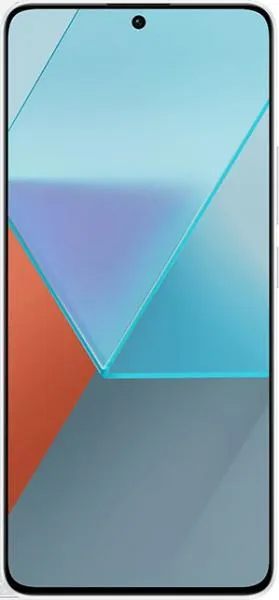
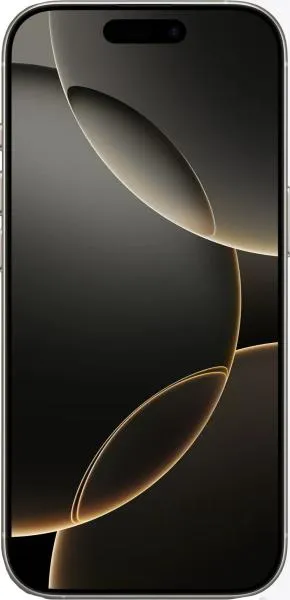
| Dimensions | 161.2 x 74.2 x 8 mm | 149.6 x 71.5 x 8.3 mm | iPhone 16 Pro is noticeably smaller and slightly thicker. More pocketable, but potentially less comfortable for large hands. |
| Weight | 187g | 199g | Redmi is lighter, reducing hand fatigue during extended use. |
| Build Materials | Not specified | Not specified | Material differences can impact durability and premium feel. This information is missing. |
| Display | |||
| Display Type | AMOLED, 120Hz | LTPO Super Retina XDR OLED, 120Hz | Both offer smooth scrolling and animations. LTPO allows for dynamic refresh rate adjustments, potentially saving battery on the iPhone. |
| Size | 6.67" | 6.3" | Redmi offers a larger screen for media consumption, while the iPhone prioritizes one-handed usability. |
| Resolution | 1220 x 2712 | 1206x2622 | Comparable sharpness; Redmi slightly higher due to larger size. |
| Peak Brightness | 1800 nits | 2000 nits (HBM), 1000nits (typical) | iPhone should be more readable in direct sunlight. |
| Performance | |||
| Chipset | Snapdragon 7s Gen 2 (4 nm) | Apple A18 Pro (3 nm) | A18 Pro expected to significantly outperform the Snapdragon 7s Gen 2 in demanding tasks and gaming due to Apple's chip design prowess. |
| CPU | Octa-core (4x2.40 GHz Cortex-A78 & 4x1.95 GHz Cortex-A55) | Hexa-core (2x4.05 GHz + 4x2.42 GHz) | Apple's custom core architecture likely delivers superior single-core performance, impacting responsiveness. |
| GPU | Adreno 710 | Apple GPU (6-core graphics) | Apple's GPU generally leads in graphics performance, beneficial for gaming and graphically intensive applications. |
| RAM | 8GB/12GB | 8GB | Redmi offers a 12GB RAM option, potentially improving multitasking performance for heavy users. |
| Battery | |||
| Capacity | 5100 mAh | 3582 mAh | Redmi has a significantly larger battery, likely resulting in longer battery life. |
| Camera | |||
| Video Capabilities | 4K@30fps, 1080p@120fps | Up to 4K@120fps, 1080p@240fps | iPhone offers superior video recording capabilities with higher frame rates and HDR at various resolutions. Redmi's specifications lack detail regarding HDR support. |
| Specific sensor details | Missing | Missing | Detailed camera sensor specifications are needed for in-depth comparison (e.g., sensor size, aperture). |
| Other | |||
| Price Range | Medium | High | Redmi offers a more budget-friendly option. |
| OS | Android 13 | iOS 18 | Different operating systems cater to different user preferences and ecosystems. |
| Storage | Up to 512GB | Up to 1TB | iPhone offers a higher maximum storage option. |
2. Key Differences Analysis
Xiaomi Redmi Note 13 Pro Advantages:
- Larger Battery: Significantly larger battery capacity likely translates to longer usage time.
- Larger Display: Better for media consumption and multitasking.
- Lower Price: More budget-friendly.
- Higher RAM Option: 12GB RAM option provides better multitasking performance.
Apple iPhone 16 Pro Advantages:
- Superior Performance: A18 Pro chip expected to deliver significantly faster processing and graphics performance.
- Better Video Recording: Wider range of video recording options with higher frame rates and HDR.
- More Compact Design: Easier to handle and carry in pockets.
- Brighter Display: Enhanced outdoor visibility.
3. User Profiles & Recommendations
Redmi Note 13 Pro: Ideal for budget-conscious users who prioritize battery life, a large display for media consumption, and smooth everyday performance. Suitable for:
- Casual gamers
- Social media users
- Students
iPhone 16 Pro: Ideal for users who demand top-tier performance, prioritize a premium mobile experience, value a compact design, and utilize advanced camera features. Suitable for:
- Power users
- Mobile photographers and videographers
- Gamers who demand high performance
4. Decision Framework
Key Questions for Buyers:
- What is your budget? The Redmi offers significantly better value for its price.
- What is your performance priority? The iPhone will deliver a smoother, faster experience for demanding tasks and gaming.
- How important is battery life? The Redmi's larger battery likely provides significantly longer usage time.
My Choice: Apple iPhone 16 Pro
While the Redmi Note 13 Pro presents compelling value, I would choose the iPhone 16 Pro. The significantly superior performance of the A18 Pro chip, combined with the advanced video recording capabilities and brighter display, outweighs the benefits of the Redmi's larger battery and lower price for my personal needs. I prioritize a smooth and responsive user experience, especially for demanding tasks and mobile photography, and am willing to pay a premium for it. The more compact form factor of the iPhone 16 Pro is also appealing. While battery life is important, I am confident that the iPhone 16 Pro will provide sufficient battery life for my typical usage, and I value the overall performance and feature set more highly.
