1. Specifications Comparison
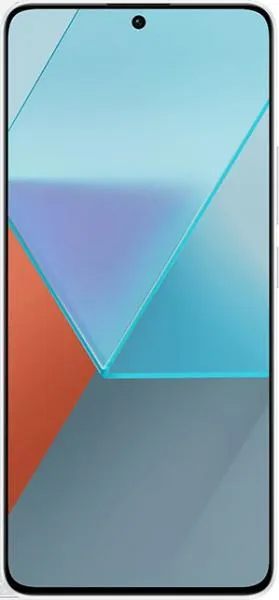
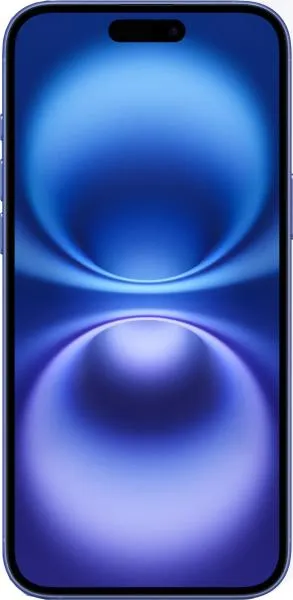
| Feature | Xiaomi Redmi Note 13 Pro | Apple iPhone 16 Plus | Practical Impact |
|---|---|---|---|
| Design | |||
| Dimensions | 161.2 x 74.2 x 8 mm | 160.9 x 77.8 x 7.8 mm | iPhone 16 Plus is slightly narrower and shorter, but negligibly thicker. Real-world difference in hand feel would be minimal. |
| Weight | 187g | 199g | Redmi Note 13 Pro is noticeably lighter, potentially reducing hand fatigue during extended use. |
| Display | |||
| Size | 6.67" | 6.7" | Virtually identical screen sizes provide a similar viewing experience. |
| Type | AMOLED, 120Hz | Super Retina XDR OLED | Both offer high-quality displays with excellent color reproduction. The 120Hz refresh rate on the Redmi Note 13 Pro delivers smoother animations and scrolling compared to the iPhone, whose refresh rate is not specified. |
| Resolution | 1220 x 2712 | 1290 x 2796 | iPhone 16 Plus has a slightly higher resolution, leading to marginally sharper text and images. The difference is unlikely to be noticeable in everyday use. |
| Peak Brightness | 1800 nits | 2000 nits (HBM) | The iPhone 16 Plus boasts higher peak brightness, ensuring better visibility in direct sunlight. |
| Performance | |||
| Chipset | Snapdragon 7s Gen 2 (4nm) | Apple A18 (3nm) | A18 is expected to significantly outperform the Snapdragon 7s Gen 2 in processing power and graphics performance, enabling smoother multitasking and gaming on the iPhone. The 3nm process also suggests better power efficiency for the A18. |
| CPU | Octa-core (4x2.4 GHz & 4x1.95 GHz) | Hexa-core (2x4.04 GHz + 4x2.20 GHz) | The A18's architecture and higher clock speeds indicate superior performance compared to the Redmi Note 13 Pro. |
| GPU | Adreno 710 | Apple GPU (5-core) | Apple's custom GPU generally provides excellent performance in games and graphically demanding tasks. While specific benchmarks are needed for the A18's GPU, it's likely to outperform the Adreno 710. |
| RAM | 8GB/12GB | 8GB | Redmi Note 13 Pro offers a 12GB RAM option, potentially improving multitasking performance compared to the 8GB on the iPhone 16 Plus. However, iOS's memory management often allows it to perform well even with less RAM. |
| Battery | |||
| Capacity | 5100 mAh | 4674 mAh | The Redmi Note 13 Pro has a larger battery, potentially offering longer battery life. However, real-world usage depends heavily on software optimization and individual use patterns. |
| Camera | |||
| Video Capabilities | 4K@30fps, 1080p@120fps | 4K@60fps, 1080p@240fps (HDR) | iPhone offers more comprehensive video recording options, including higher frame rates and HDR at various resolutions, providing greater flexibility for video creation. |
| Other | |||
| OS | Android 13 | iOS 18 | OS preference is subjective. Android offers greater customization, while iOS is known for its simplicity and tighter ecosystem. |
| Storage | 256/512GB | 256/512GB | Similar storage options. |
2. Key Differences Analysis
Xiaomi Redmi Note 13 Pro Advantages:
- Lower Price: Typically significantly cheaper.
- Larger Battery: Potentially longer battery life.
- Higher RAM Option: Potential advantage in multitasking, though real-world impact depends on software optimization.
- Lighter Weight: Noticeably less weight for more comfortable handling.
- Faster Refresh Rate: Smoother scrolling and animations.
Apple iPhone 16 Plus Advantages:
- Significantly Higher Performance: Expected to offer much faster processing and graphics performance due to the A18 chip.
- Superior Video Recording Capabilities: Wider range of resolutions and frame rates with HDR.
- Brighter Display: Better visibility in direct sunlight.
- iOS Ecosystem: Known for its simplicity, security, and app quality.
3. User Profiles & Recommendations
Xiaomi Redmi Note 13 Pro: Budget-conscious users seeking a well-rounded phone with a large display, long battery life, and a smooth user experience. Ideal for everyday tasks, media consumption, and casual gaming.
Apple iPhone 16 Plus: Users prioritizing performance, premium camera features, and a seamless software experience. Best for demanding tasks, mobile gaming, content creation, and users invested in the Apple ecosystem.
4. Decision Framework
- What is your budget? The Redmi Note 13 Pro offers excellent value for its price.
- What are your performance needs? For demanding tasks and gaming, the iPhone 16 Plus is the clear winner.
- Which operating system do you prefer? Android offers customization, while iOS offers simplicity and a tight ecosystem.
My Choice: Apple iPhone 16 Plus
While the Redmi Note 13 Pro offers compelling value, the significant performance advantage of the A18 chip in the iPhone 16 Plus, along with its superior video recording capabilities and brighter display, makes it my choice. I prioritize a smooth and responsive user experience, especially for demanding tasks and gaming, and I am willing to invest in the premium performance offered by the iPhone. The more robust video features are also appealing for capturing high-quality memories. While I acknowledge the price difference and the subjective nature of OS preference, the long-term benefits of the iPhone's performance and features outweigh the cost for my personal needs.
